



Start With the Right Foundation
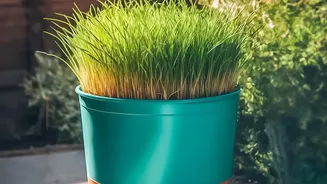
Success with container gardening begins long before you plant a seed. For Thai chillies, choosing the right pot is critical. A pot that is at least 10-12 inches in diameter and depth provides ample room for root development. Anything smaller will restrict
growth and limit your harvest. Ensure the container has several drainage holes at the bottom. Chilli plants despise 'wet feet', and waterlogged soil is a fast track to root rot, one of the most common killers of potted plants. Once you have the pot, focus on the soil. A high-quality, well-draining potting mix is your best bet. You can improve a standard mix by adding perlite or coarse sand to enhance drainage. A soil rich in organic matter will provide the initial nutrients your plant needs to establish itself.
Sunlight, Water, and Early Days
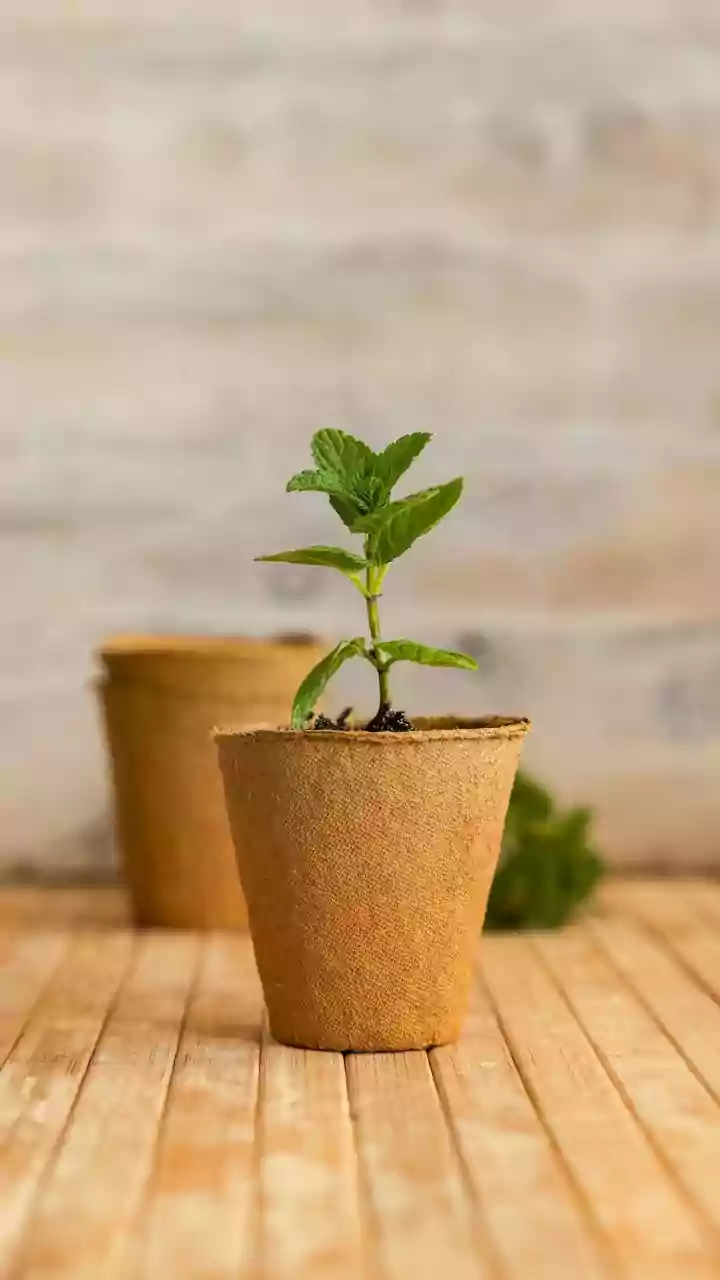
Thai chillies are sun-worshippers. They thrive in heat and require at least six to eight hours of direct sunlight per day. A south-facing balcony, patio, or window box is ideal. If you are starting from seed, sow them indoors about six to eight weeks before the last expected frost. Once the seedlings have developed a few sets of true leaves and all danger of frost has passed, you can transplant them into their final pots. During the early stages, consistent watering is key, but avoid overdoing it. A good rule of thumb is to water deeply whenever the top inch of soil feels dry to the touch. This encourages the roots to grow deeper into the pot, creating a more resilient plant.
Why Support Is Not Optional
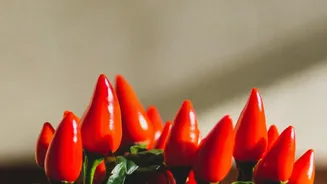
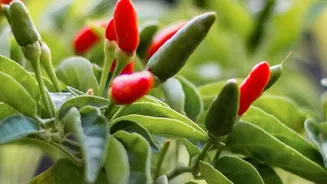
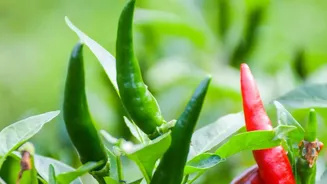
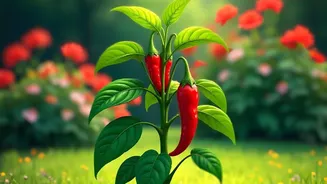
As your Thai chilli plant matures, it will begin to produce flowers, which eventually turn into fruit. This is an exciting stage, but it is also when the plant becomes vulnerable. Thai chilli plants can be surprisingly productive, loading up with dozens of peppers. While this promises a fantastic harvest, the weight of the fruit can put immense strain on the plant's branches and main stem. The stems of many chilli varieties are relatively brittle and can easily snap under the load, especially during a windy day or while being moved. Providing support prevents this breakage, ensuring your plant can carry its fruit to full ripeness. A supported plant is a productive plant.
Choosing the Best Support
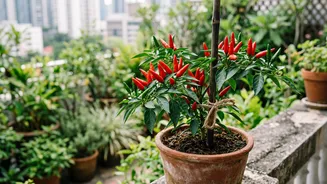
You have several simple and effective options for supporting your potted chilli plant. The most common method is staking. A single bamboo cane or a thin wooden stake, about two to three feet tall, is often sufficient for a single plant. Insert the stake into the pot, a few inches away from the main stem, to avoid damaging the core root ball. As the plant grows, you can loosely tie the main stem to the stake using garden twine or soft plant ties. Another excellent option is a small tomato cage. These wire-frame structures provide multi-point support for a bushier plant, allowing side branches to rest on the cage as they become heavy with fruit. For those growing multiple plants or who prefer a tidier look, a small trellis can also work well, allowing you to train the plant's growth upwards.
Timing and Technique for Staking
The best time to add support is when you transplant your seedling into its final, larger pot. Inserting a stake or cage at this early stage minimises the risk of damaging the delicate root system. If you wait until the plant is large and fruiting, you risk spearing major roots when pushing the stake into the compacted soil, which can shock or even kill the plant. When tying the plant to the stake, use a 'figure-eight' loop. This technique keeps the stem from rubbing directly against the stake, which can cause abrasions and create entry points for disease. Make sure the ties are snug but not tight; the stem needs room to thicken as it grows. Check the ties periodically and loosen them if they start to constrict the stem.
Ongoing Care for a Spicy Harvest
With your plant well-supported, focus on its ongoing needs. Once it starts flowering, you may want to introduce a liquid fertiliser rich in potassium and phosphorus, which encourages fruit production. Follow the product instructions, as over-fertilising can harm the plant. Continue your consistent watering schedule, but be aware that a plant in full sun and laden with fruit may need more water than it did in its early growth phase. Keep an eye out for common pests like aphids, which can be washed off with a spray of water or treated with insecticidal soap. By providing this consistent care alongside a sturdy support system, you set the stage for a continuous supply of fresh, fiery chillies right from your own home.