






What Exactly is a Clay Wash?
First, let's clear up what this isn't: it's not just terracotta-coloured paint. A clay wash, or more broadly clay plaster, is a wall finish made from a mixture of natural clays, minerals, and pigments. Unlike acrylic or latex paints that form a plastic-like
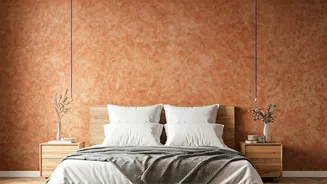
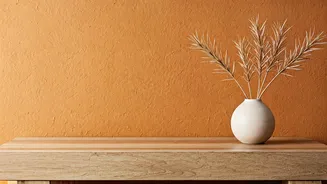
film on the wall, clay finishes are physically bonded with the surface. They are applied with a trowel, not a roller, and built up in thin layers to create a surface with depth and subtle variations in tone and texture. The result is a soft, matte, almost velvety finish that feels organic and alive. It shares similarities with other natural finishes like limewash or Venetian plaster but has its own unique, earthy character derived directly from its primary ingredient: clay.
The Allure of Imperfection
In an age of mass production and flawless digital screens, there's a growing desire for things that feel real, tactile, and human-made. This is the core appeal of a clay finish. The subtle mottling, the gentle undulations, and the way the surface plays with light throughout the day create a dynamic environment that a flat coat of paint cannot match. Designers often refer to this as 'perfect imperfection.' The finish adds a layer of visual intrigue and sensory richness to a room, making walls a feature in their own right. It transforms a simple boxy room into a space with history and character, inviting you to touch the walls and connect with the material.
A Modern Nod to Indian Heritage
While it might seem like a new trend, the use of clay and lime plasters is deeply rooted in Indian architectural history. From the humble mud huts of rural villages to the magnificent forts and havelis of Rajasthan that used 'chuna' (lime plaster), these materials were the standard for centuries. They were valued for their durability, beauty, and, most importantly, their suitability for the Indian climate. Today's clay finishes are a modern reinterpretation of this heritage. They use refined techniques and a broader colour palette but retain the essential qualities that made traditional plasters so effective. By choosing a clay finish, homeowners are not just following a trend; they are connecting with a long and sustainable tradition of building.
Benefits Beyond Beauty
The appeal of clay plaster goes far beyond its good looks. These finishes are championed for their health and environmental benefits. Firstly, they are 'breathable.' This means they allow water vapour to pass through the wall, helping to regulate humidity inside the home and preventing issues like mould and mildew, a major plus in India's varied climates. Secondly, they are typically free of Volatile Organic Compounds (VOCs), the chemicals found in many modern paints that can compromise indoor air quality. Made from natural, non-toxic materials, clay plaster helps create a healthier living environment. Finally, it's a sustainable choice. Clay is an abundant natural resource, and the production process is low-energy. At the end of its life, the material is fully biodegradable, returning to the earth without causing harm.
How to Bring This Look Home
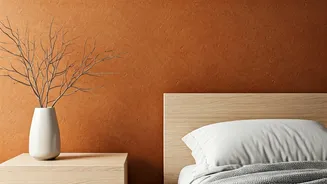
Intrigued? If you're considering a clay finish for your apartment, there are a few things to know. This is not a typical DIY project. Achieving that beautiful, seamless texture requires skill and experience with a trowel, so it's best to hire a professional applicator. While 'terracotta' is the classic colour that evokes sun-baked earth, clay plasters come in a wide range of natural hues, from soft whites and greys to muted greens and deep charcoals. They work beautifully on a single feature wall to create a focal point—perhaps behind a bed or in a living room—but can also be used across an entire room to create a truly immersive, cocoon-like atmosphere. The texture adds so much character that you may find you need less art and decor to make the room feel complete.