







From Cafe Waste to Urban Farm
Imagine a small-scale farm operating not in a field, but in a basement, a shipping container, or a repurposed urban warehouse. This is the concept behind the "mushroom micro-factory." These are not sprawling industrial complexes but compact, decentralised
agricultural hubs. Pioneering startups globally are demonstrating how these small spaces can become highly productive centres for growing gourmet mushrooms. The genius of the model lies in its primary input: spent coffee grounds, collected daily from local cafes and offices. This creates a hyper-local, circular system where a city's waste is used to grow fresh food for its residents, dramatically cutting down on landfill and transportation costs.
How Coffee Fuels Fungus
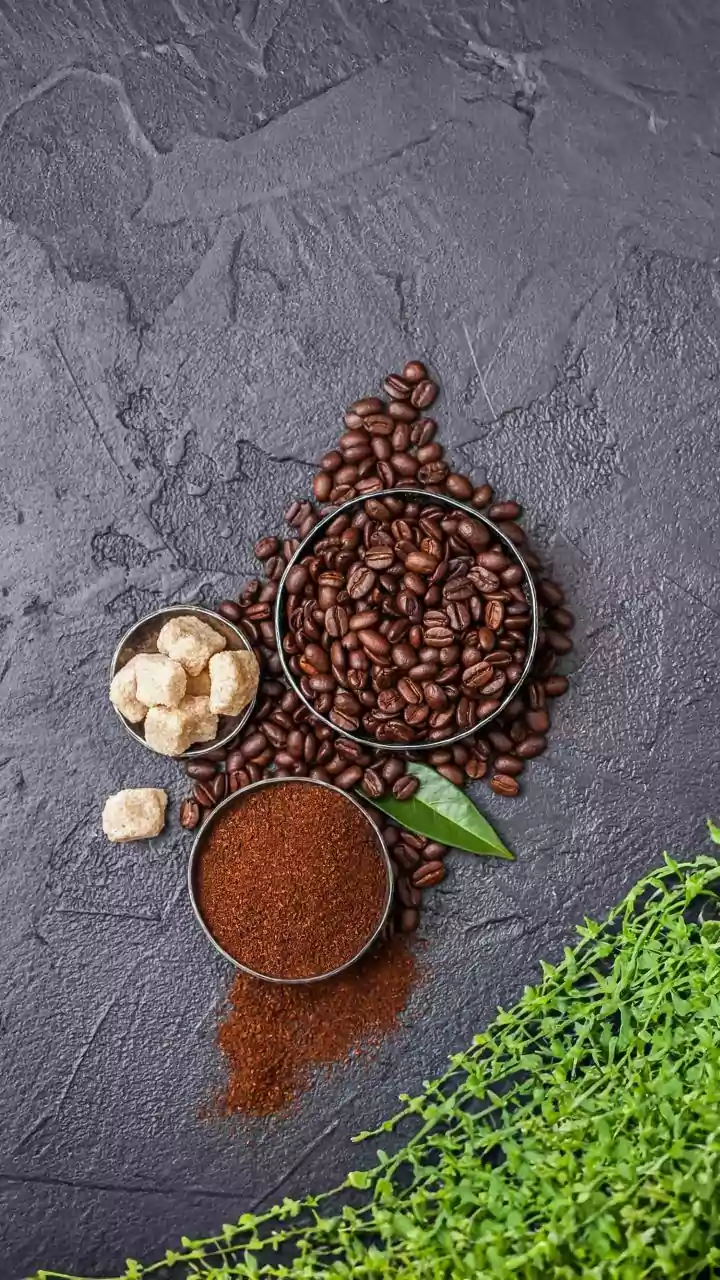
The connection between coffee and mushrooms is surprisingly scientific. Spent coffee grounds are an ideal substrate, or growing medium, for certain types of fungi, particularly oyster mushrooms. The brewing process effectively pasteurises the grounds, killing off most competing moulds and bacteria. What’s left is a nutrient-rich material packed with nitrogen and other essential minerals that mushroom mycelium (the root structure) loves to consume. The process is straightforward: the cooled coffee grounds are mixed with mushroom spawn. This mixture is packed into bags or buckets and kept in a dark, controlled environment. Within weeks, the white, thread-like mycelium fully colonises the grounds. Once exposed to the right light, temperature, and humidity, the mushrooms begin to fruit, sometimes producing multiple harvests from a single batch of coffee waste.
The Indian Opportunity
While this trend is established in cities across Europe and North America, it presents a massive opportunity for India's metro hubs. Cities like Mumbai, Delhi, and Bengaluru have a thriving cafe culture that produces tonnes of coffee waste daily. Diverting this waste could address both sanitation challenges and the growing demand for fresh, locally-sourced produce. Innovation in this space is already budding in India. In Bengaluru, for example, a collaboration between an artisanal coffee brand and a mushroom-focused startup has led to the creation of whole-bean coffee infused with mushroom extracts, pointing to a growing consumer interest in fungi-related products. The leap from mushroom-infused coffee to using coffee waste for mushroom cultivation is the next logical step for enterprising urban farmers.
More Than Just Mushrooms
The benefits of this circular model extend far beyond the final mushroom harvest. First, it tackles the enormous problem of organic waste in landfills, where decomposing coffee grounds release potent greenhouse gases. Second, it promotes local food security by providing city dwellers with access to fresh, nutritious produce that hasn't travelled hundreds of kilometres. But the cycle doesn't end there. After the final mushroom flush, the now-spent substrate is not discarded. It becomes a powerful, nutrient-dense compost and organic fertiliser, perfect for enriching soil in urban gardens, farms, and public parks, fully closing the loop from waste back to earth.
Challenges on the Path to Scale
Despite the elegant simplicity of the idea, scaling up presents hurdles. The logistics of collecting fresh coffee grounds daily from hundreds or thousands of cafes before they spoil is a significant operational challenge. These micro-factories also require controlled environments with specific humidity and temperature levels, which can be energy-intensive if not designed efficiently. Furthermore, building a consistent market requires educating consumers and chefs about the benefits of locally grown gourmet mushrooms over mass-produced alternatives. Overcoming these challenges will require a combination of smart logistics, community partnerships, and a strong business case that highlights both the economic and environmental returns.