


The Quest for Permissible Indulgence
At its heart, the trend is about psychology. Consumers are increasingly seeking what experts call 'permissible indulgence'—the ability to enjoy a treat without feeling like they've compromised their health goals. Protein has a strong 'health halo', making
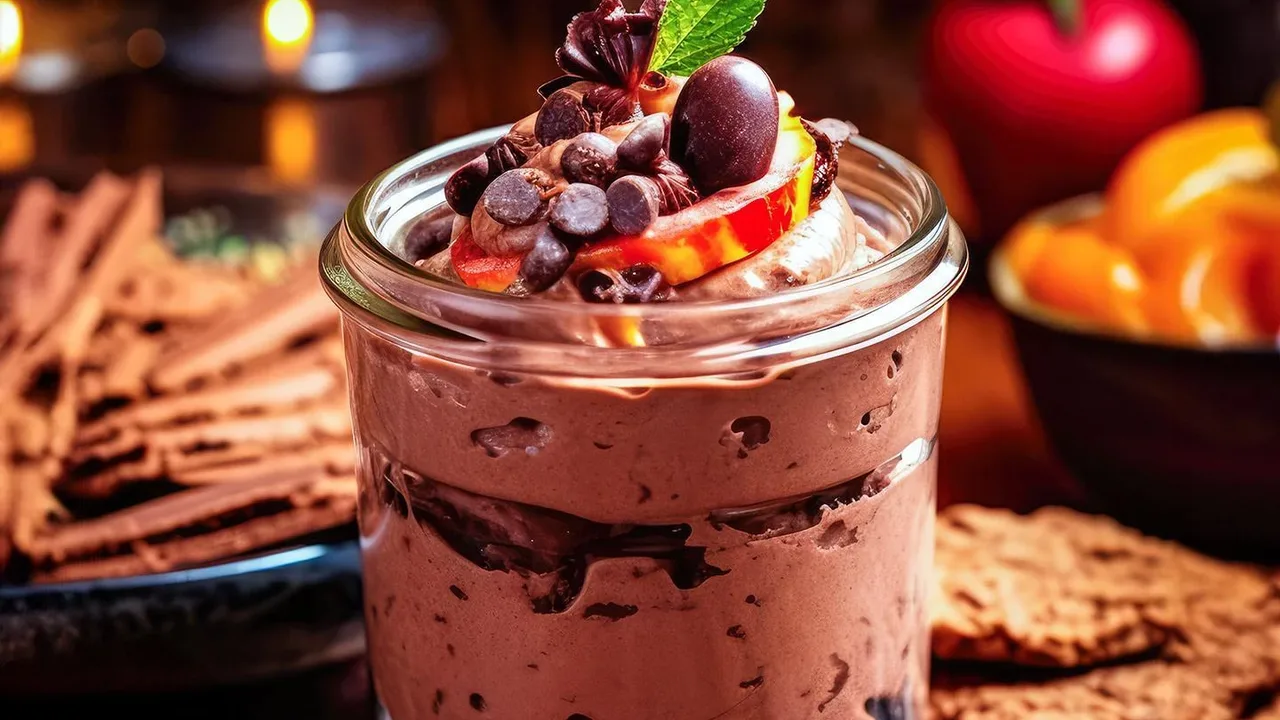
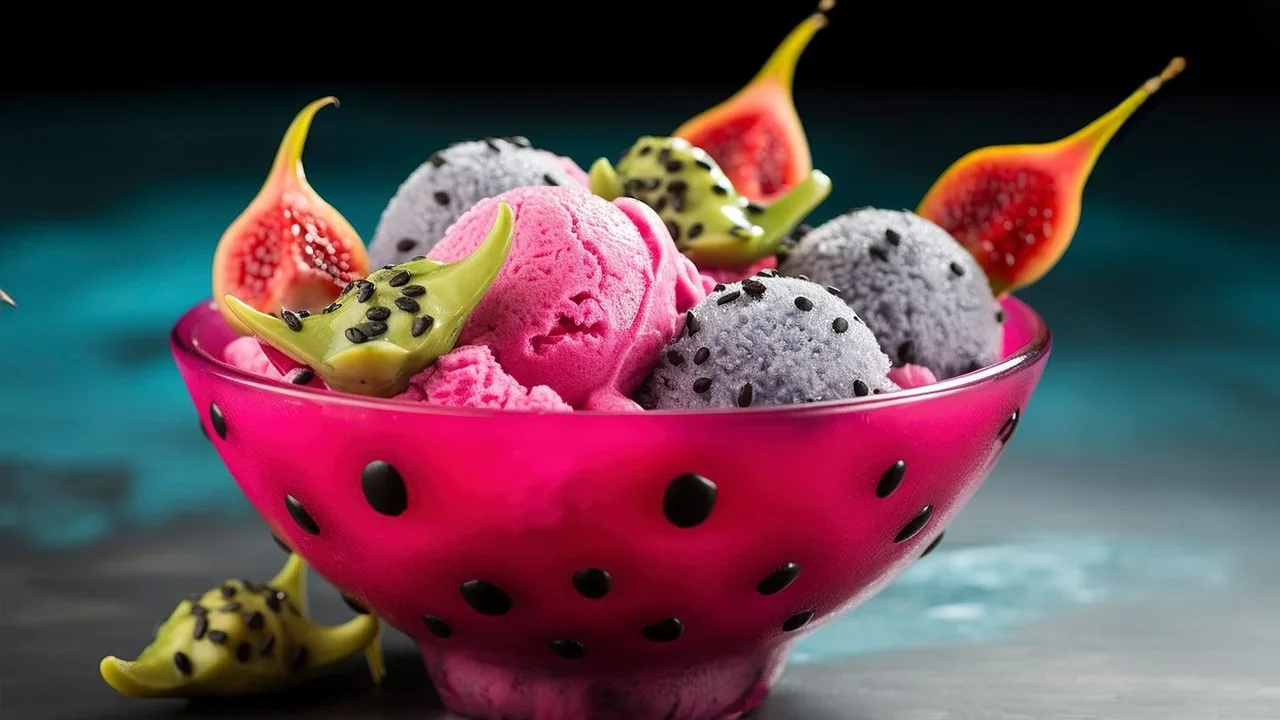
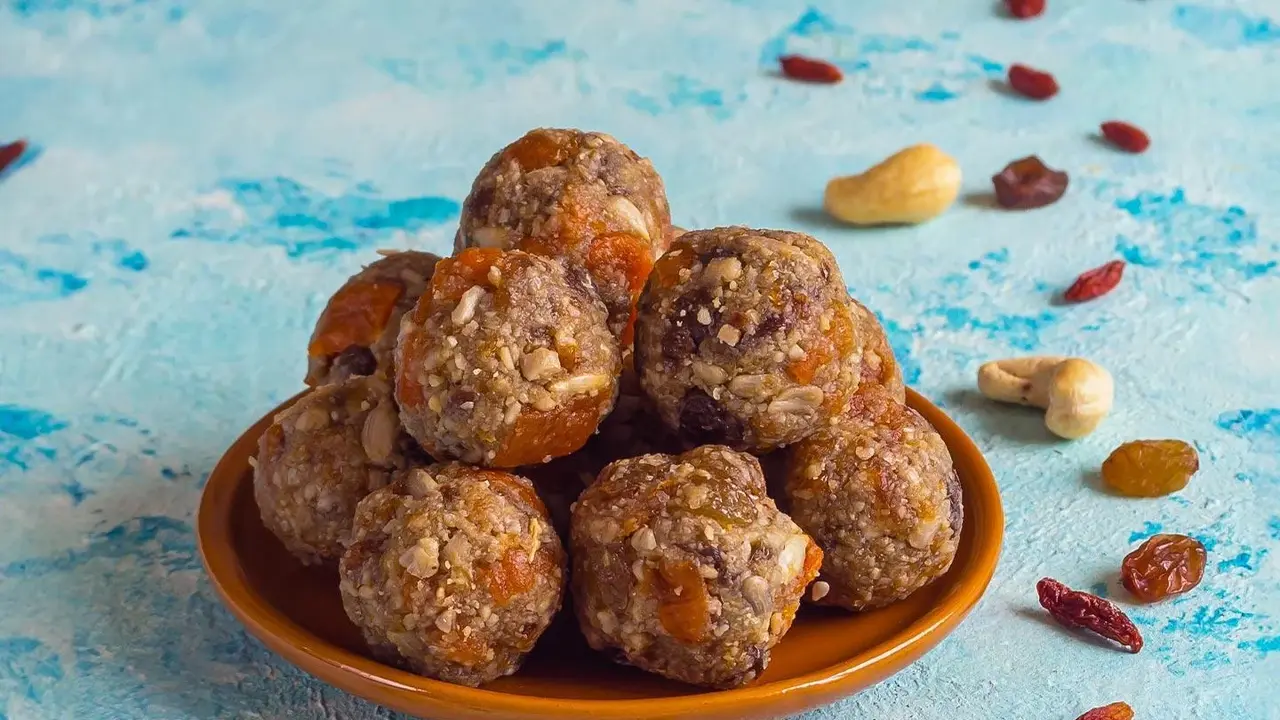
a protein-fortified cookie or ice cream feel like a smarter choice than its traditional counterpart. This satisfies both the emotional desire for a comforting snack and the rational goal of staying on track with a fitness regimen. This trend is a significant driver in India, where a growing awareness of health is reshaping snacking habits away from just taste and convenience. People want food that works for them, and a dessert that also helps them feel full and supports muscle repair feels like a win-win.
What Exactly Are High-Protein Sweets?
This category is broad, encompassing everything from protein bars designed to mimic popular chocolate bars to protein-fortified ice creams, cookies, doughnuts, and even baklava. The protein boost comes from various sources. Whey and casein, derived from milk, are popular for their complete amino acid profiles and are often used in post-workout treats. Plant-based proteins like pea, soy, and rice are also surging in popularity, catering to vegan and dairy-free consumers. These ingredients are incorporated into recipes to turn what was once an 'empty calorie' dessert into a functional food that can contribute to daily nutritional targets.
A Nutritional Double-Edged Sword
The benefits of adding protein to a sweet treat are clear: it increases satiety, helping you feel fuller for longer, and provides essential amino acids for muscle repair and maintenance, especially after exercise. However, experts caution that not all high-protein sweets are created equal. Many products, while boasting high protein content, can also be high in sugar, unhealthy fats, or artificial sweeteners and sugar alcohols. Some dietitians argue that these are often just ultra-processed foods marketed as healthy. A protein-fortified ice cream might be lower in calories than a regular pint, but that doesn't necessarily make it a health food. The key is to read the entire nutrition label, not just the claim on the front of the package.
Fueling a Nationwide Trend in India
The protein boom is particularly strong across India. One quick commerce platform reported a 150% surge in protein orders over two years, with protein snacks growing by 300%. This isn't just a metro phenomenon; demand in Tier II cities like Nagpur, Jaipur, and Chandigarh is growing over 200% faster than in major urban centres. This reflects a fundamental shift as consumers become more aware of the widespread protein deficiency in typical Indian diets and actively seek out fortified foods. The market is responding with an explosion of new products, from protein chips and wafers to fortified yogurts and paneer, making it easier than ever for consumers to up their intake.
The Verdict: Smart Snack or Just Hype?
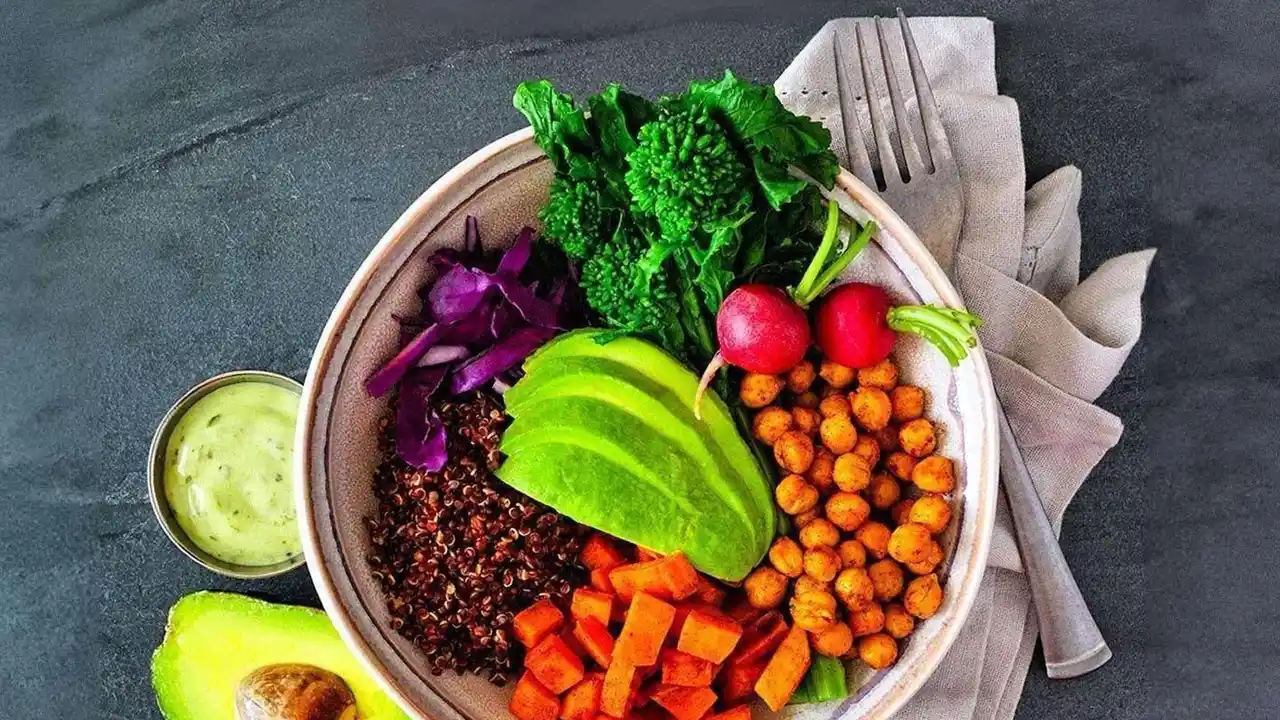
So, are high-protein sweets a smart addition to your diet? A dietitian's perspective is that it depends. For an athlete needing quick post-workout recovery or someone who might otherwise skip a meal, a protein-enhanced snack can be a convenient and beneficial option. They can be a tool for weight management by promoting fullness and satisfying cravings simultaneously. However, for most people, they should not be the primary source of protein. Nutrition experts advise focusing on whole food protein sources like eggs, beans, and chicken first. Think of high-protein sweets as a strategic, better-for-you alternative to a standard dessert, rather than a foundational health food.