







The Science Behind the Sip
Green tea isn’t just good for you; it’s beneficial for your plants, too. Used tea leaves contain a wealth of organic compounds that can enrich soil and support plant health. The primary nutrient they offer is nitrogen, which is essential for lush, leafy
growth. [1, 9] In fact, dried tea leaves contain around 4.4% nitrogen, along with smaller but still valuable amounts of phosphorus and potassium—the three major macronutrients in most commercial fertilizers. [2, 10] As tea leaves decompose, they slowly release these nutrients, providing a steady, gentle feeding. [2] Furthermore, tea contains tannins. This tannic acid can slightly lower the soil's pH over time, making it more acidic. [2, 11] This is particularly beneficial for acid-loving plants. [1, 2]
How to Brew a Plant-Powering Spray
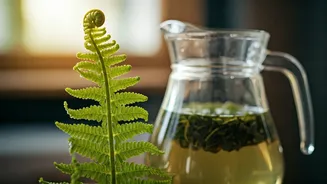
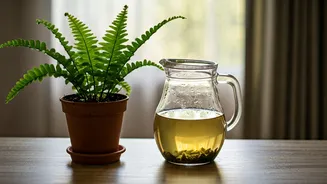
Creating a fertilizer spray from leftover green tea is incredibly simple. The key is to use weak, unsweetened, and un-milky tea to avoid attracting pests or causing fungal growth. [2, 14] You can make it in two primary ways. The first method is to use your leftover brewed tea. After enjoying your drink, simply allow any remaining tea to cool to room temperature. It's best to dilute this tea with an equal amount of water to ensure it's not too strong for your plants. [1] The second method is to create a 'compost tea'. Take one or two used green tea bags (or a spoonful of loose leaves) and steep them in a jar or watering can full of water for about 24 hours. [2, 8] This process extracts the water-soluble nutrients, creating a nutrient-rich liquid that’s ready to use. For both methods, always make sure the tea is completely cool before applying it to avoid shocking or burning your plant's roots. [11]
Best Practices for Application
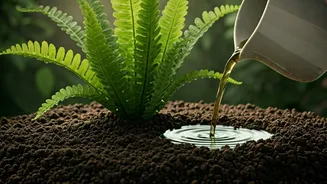
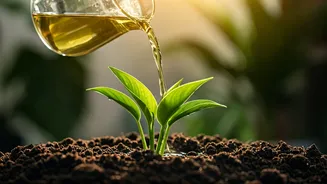
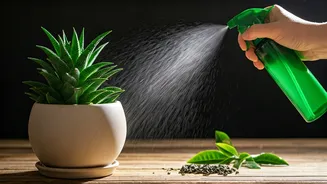
Once your cooled tea is ready, you have two main options for application: a soil drench or a foliar spray. For a soil drench, simply use the tea to water your plants as you normally would, pouring it directly onto the soil around the base of the plant. [1] This allows the roots to absorb the nutrients directly. For a foliar spray, pour the diluted tea into a spray bottle and lightly mist the leaves of your plants. [1] This method can provide a quicker nutrient boost, as leaves can absorb them efficiently. [15] Whichever method you choose, moderation is crucial. Applying this natural fertilizer about once every two to four weeks during the growing season (spring and summer) is generally recommended. [1, 6] Overuse can lead to excessive soil acidity or other imbalances. [1] Always monitor your plants' reactions and adjust your routine accordingly.
Which Plants Enjoy a Tea Treatment?
Because green tea can increase soil acidity, it's most beneficial for plants that thrive in slightly acidic conditions. [2, 11] These include many popular houseplants and garden varieties. Acid-loving outdoor plants like azaleas, rhododendrons, hydrangeas, blueberries, and roses respond very well to a regular tea supplement. [1, 2, 3] Many houseplants, including ferns, African violets, spider plants, and rubber plants, also appreciate the gentle acidity and nutrients. [2, 10] Vegetables like tomatoes and peppers can benefit from a light application, too. [2, 3] However, you should avoid using green tea on plants that prefer alkaline soil, such as lavender, rosemary, and lilacs, as the added acidity could hinder their growth. [1, 12]
A Word of Caution
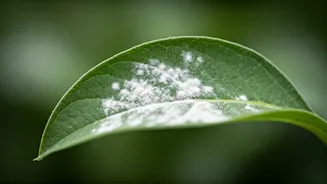
While green tea is a fantastic natural supplement, it's not a complete fertilizer and shouldn't replace a balanced feeding regimen for heavy-feeding plants. [1, 5] Think of it as a vitamin boost rather than a full meal. Also, ensure your tea bags are plastic-free and biodegradable if you plan on adding them directly to your compost or soil; remove any staples first. [11, 13] Using tea that contains sugar or milk is a definite no, as it will attract pests and can encourage harmful mold and fungal growth on your soil and plants. [14] Finally, while some gardeners use the whole tea leaves as a mulch, be careful not to apply them too thickly, as a dense mat of wet leaves can prevent air from reaching the soil and may promote mold. [2]