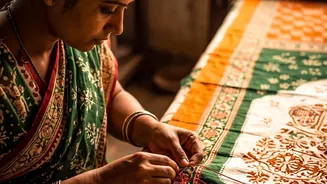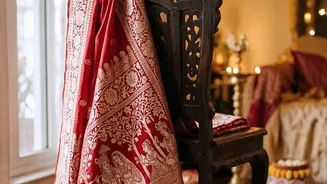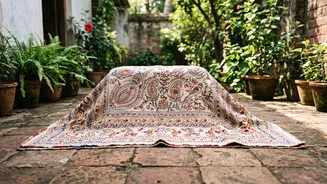


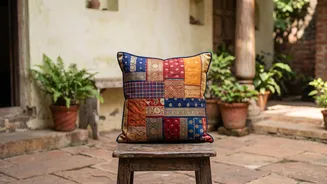
In the heart of Bengal, a centuries-old tradition breathes new life into old garments. This is the story of Kantha, a remarkable craft where women transform used saris into stunning handmade quilts, weaving together heritage and sustainability.
A Stitch Born from Necessity
At its
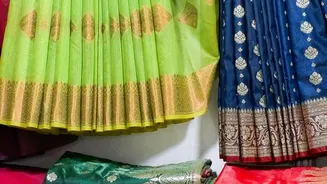
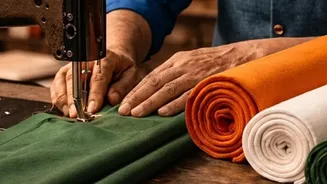
core, Kantha is an art of resourcefulness. The name itself is believed to derive from the Sanskrit word 'kontha', meaning rags. For centuries, women in the rural villages of Bengal have practised this craft, not for commerce, but for their families. They would take old, softened saris and dhotis, layer them together—often five to seven deep—and bind them with a simple running stitch. This process turned worn-out cloth into practical items like warm quilts for mild winters, covers for precious items, or soft wraps for newborn babies. It was a domestic art, born from the desire to waste nothing and create something useful and comforting from the materials at hand.
Every Quilt Tells a Story
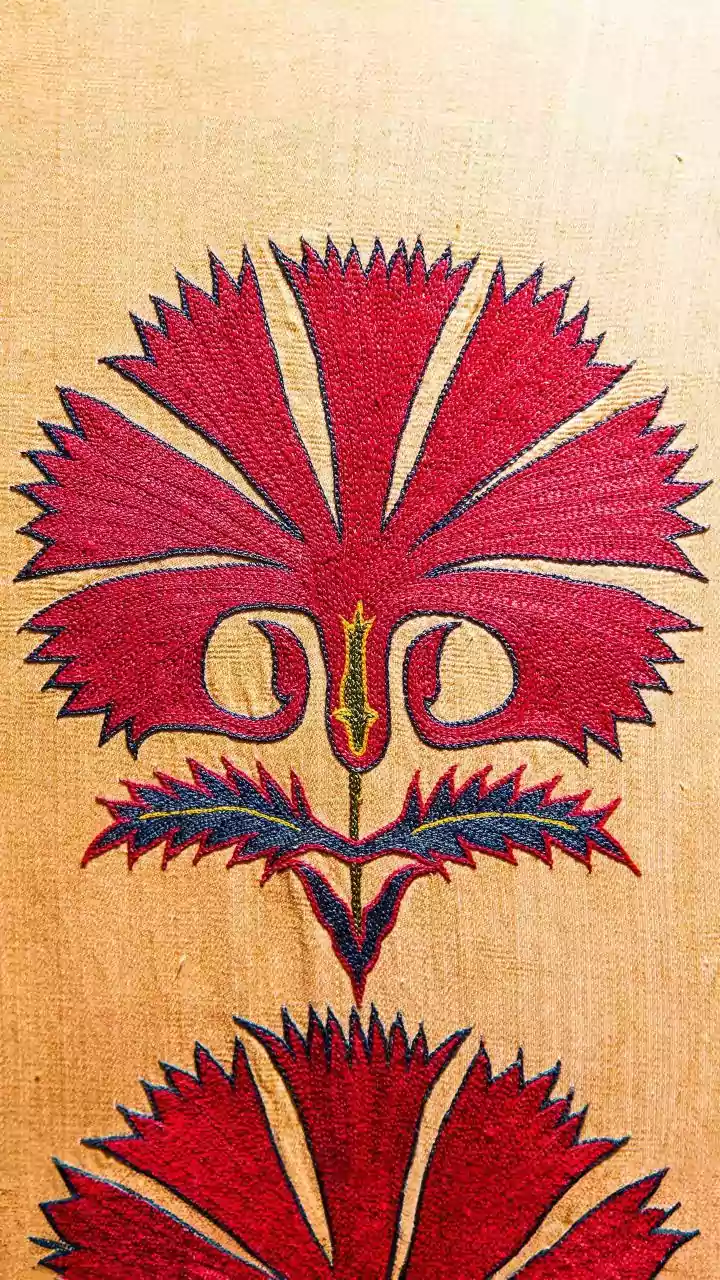
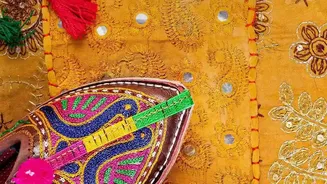
Kantha is much more than just quilting; it is a form of storytelling. The surface of the fabric became a canvas for women to articulate their dreams, beliefs, and daily lives. Using threads often pulled from the borders of the very same old saris, artisans would stitch intricate patterns known as 'nakshi kantha'. These motifs were deeply personal and symbolic. Common designs include the lotus, representing purity and the cosmos; the 'tree of life', signifying growth and family continuity; and various animals, birds, and fish. Some quilts narrate scenes from folklore, religious epics like the Ramayana, or simply depict the familiar sights of village life. Each piece is unique, a fabric diary holding the memories, wishes, and quiet moments of the woman who made it.
The Art of Imperfection
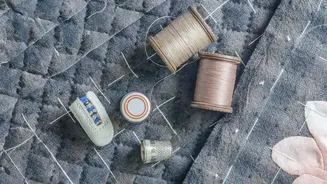
Unlike machine-made textiles, the beauty of Kantha lies in its human touch. The signature running stitch, which gives the fabric its characteristic wrinkled and textured feel, is done entirely by hand. Lines might gently waver and patterns may have slight asymmetries, but these so-called imperfections are the soul of the craft. They are evidence of a piece made over weeks, months, or even years, stitched during quiet moments between household chores. This slow, meditative process imbues each textile with a sense of history and personality that cannot be replicated. It was a craft passed down from mother to daughter, a shared heritage stitched into heirlooms meant to be used, loved, and to last for generations.
A Craft for Modern Times
Long before 'sustainability' became a global buzzword, Kantha artisans were practising it out of sheer intuition and necessity. This ancient form of upcycling is now experiencing a remarkable modern revival. The craft, which nearly disappeared in the 19th century, was revived in part by efforts from figures like Rabindranath Tagore's daughter-in-law and later by designers and social enterprises. Today, Kantha is no longer confined to quilts. Designers are incorporating this versatile embroidery into high-fashion garments, stoles, cushion covers, and wall hangings. This revival provides crucial economic empowerment for thousands of women artisans in rural Bengal, allowing them to earn a fair wage while preserving their cultural heritage. By supporting authentic Kantha, consumers participate in a legacy of creativity, resilience, and conscious consumption.