




A Nutritional Powerhouse
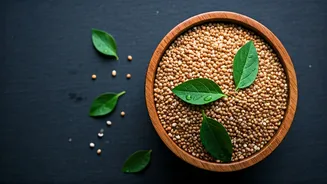
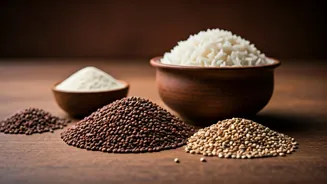
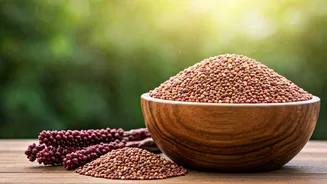
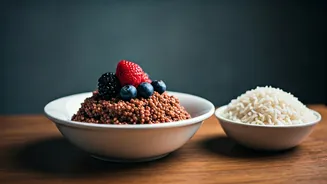
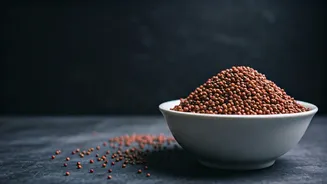
Jowar, also known as sorghum, stands tall when compared to polished white rice. A single serving of jowar provides significantly more dietary fibre, which is crucial for digestive health. While white rice is primarily simple carbohydrates, jowar offers
a complex carb structure that releases energy slowly. It is also a richer source of protein and essential minerals like iron, phosphorus, and magnesium. Furthermore, jowar has a lower glycemic index, meaning it causes a slower rise in blood sugar levels, making it an excellent option for those managing their weight or blood sugar. This makes it a more nutritionally dense choice for your daily meals.
The Monsoon Advantage
Traditional wisdom often guides us to eat lighter during the monsoon, as the humid weather can slow down our digestive system. Jowar is particularly well-suited for this season. Being naturally gluten-free and high in fibre, it is easy on the gut and helps prevent common monsoon-related digestive issues like bloating and constipation. Its fibre content also feeds good gut bacteria, which can contribute to a stronger immune system—a key benefit during a season known for health challenges. Unlike rice, which can sometimes feel heavy, jowar provides sustained energy without weighing you down, helping you feel light and active throughout the day.
How to Cook Jowar Like Rice
Replacing rice with whole jowar grains is simple, but it requires a slightly different approach. The key to soft, edible jowar is soaking. Start by rinsing the jowar grains thoroughly and soaking them in ample water for at least 8 to 10 hours, or overnight. This step is crucial for softening the grain and making it easier to digest. After soaking, drain the water. To cook, use a pressure cooker for the best results. Add one part soaked jowar to about two and a half parts fresh water and pressure cook for 4 to 5 whistles on a medium flame. Let the pressure release naturally. The cooked grains will be tender with a pleasant, chewy texture, ready to be served with your favourite dal or curry.
Beyond the Grain: Using Jowar Flour
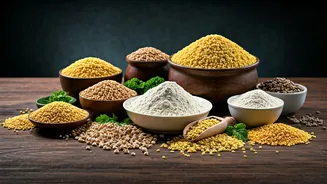
If you find the texture of whole jowar too different, starting with jowar flour is an excellent alternative. Jowar flour, or jowar ka atta, can be used to make traditional flatbreads like bhakri or roti. These are staples in many Indian households and a fantastic way to cut down on wheat or rice. You can also get creative by using jowar flour to make delicious and healthy dosas, cheelas (savoury pancakes), or even upma. For a crispy dosa, you can mix jowar flour with a bit of urad dal batter. These methods allow you to incorporate the benefits of jowar into familiar dishes, making the transition seamless and enjoyable for the whole family.
Simple Recipe Swaps to Get Started
Making the switch doesn't have to be complicated. Start with one meal at a time. Try making a comforting jowar khichdi instead of a rice-based one by replacing rice with soaked and cooked jowar grains. Another great option is a vegetable jowar upma for breakfast or a light dinner. Simply sauté your favourite vegetables, add the cooked jowar grains, and season to taste. You can even add cooked jowar to salads for a chewy texture and a nutrient boost. For a simple side, toss cooked jowar with a bit of ghee and cumin seeds to serve in place of plain rice. These easy swaps can help you gradually introduce this superfood into your monsoon diet.