




1. Vet Your Destination and Itinerary
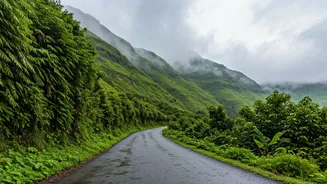
Not all destinations are created equal during the monsoon. While the Western Ghats and Himalayan foothills look breathtakingly beautiful, they are also prone to landslides and flash floods. Before booking, do your research. Check government advisories
and recent news reports for information on road closures, flooding, and landslide warnings in your chosen area. Opt for destinations known to be relatively safer during the rains, such as the plateaus of Maharashtra or parts of Rajasthan that receive less intense rainfall. Be flexible with your itinerary. A road that was open yesterday might be blocked today. Having a Plan B isn't just smart; it's essential for monsoon travel.
2. Prioritise Health and Hygiene
The rainy season is peak time for water-borne and vector-borne diseases. Contaminated water can lead to illnesses like typhoid, cholera, and stomach infections. Always drink bottled, boiled, or purified water. Be extremely cautious with street food, especially items that may have been washed with unclean water or left exposed. Mosquitoes carrying dengue and malaria also thrive in stagnant water. Use a strong insect repellent, wear long-sleeved clothing, especially during dawn and dusk, and consider using a mosquito net at night if your accommodation is not well-screened. Pack a comprehensive first-aid kit with essentials like antiseptic, bandages, pain relievers, anti-diarrhoea medication, and any personal prescriptions.
3. Pack for a Wet World
Your packing list for a monsoon trip is different from any other. Cotton and denim are poor choices as they take forever to dry and become heavy when wet. Instead, opt for lightweight, synthetic fabrics like polyester and nylon that dry quickly. A reliable waterproof jacket and rain pants are non-negotiable. For footwear, ditch the leather shoes and fancy sandals. Sturdy, anti-slip, waterproof floaters or gumboots are your best friends on slippery, muddy terrain. Protect your electronics and important documents by carrying them in waterproof bags or zip-lock pouches. A waterproof backpack or a rain cover for your existing bag is a wise investment.
4. Master the Art of Monsoon Driving
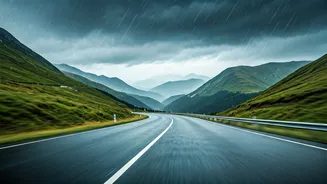
If you are planning a road trip, exercise extreme caution. Roads can be slippery, and visibility is often poor during heavy downpours. Drive slower than you normally would and maintain a greater distance from the vehicle in front of you. Before you start, ensure your car's tyres, brakes, and wipers are in excellent condition. Avoid driving through waterlogged streets, as it's difficult to gauge the depth or see hidden potholes. If you must, drive slowly in a low gear. Never attempt to cross a flooded bridge or causeway. It's always better to wait for the water to recede or turn back and find an alternate route.
5. Stay Powered and Connected
Heavy rains and storms often lead to power cuts, especially in more remote areas and hill stations. A fully charged power bank is not a luxury but a necessity to keep your phone and other essential gadgets running. Your phone is your lifeline for navigation, communication, and emergency help. Ensure you have a network provider with good coverage in the region you are visiting. Before you leave, share your detailed itinerary with a friend or family member and check in with them regularly. This simple step ensures that someone knows where you are supposed to be in case you become unreachable.
6. Be Mindful of Your Activities
That roaring waterfall looks spectacular, but getting too close for a selfie can be dangerous. Water levels can rise unexpectedly, and the ground around waterfalls and rivers becomes extremely slippery and unstable. Similarly, trekking trails can be treacherous. A path that is easy in summer can become a slippery, leech-infested challenge in the monsoon. If you do decide to trek, go with a certified local guide who understands the terrain and its seasonal risks. Avoid swimming in swollen rivers or the sea during high tide, as currents can be deceptively strong.