



In the vibrant tapestry of South Indian cuisine, some ingredients work quietly, yet their absence is immediately felt. Cold-pressed sesame oil, known as 'nallennai' or 'gingelly oil', is one such powerhouse of flavour and tradition.
The 'Good Oil' of the South
For generations, the
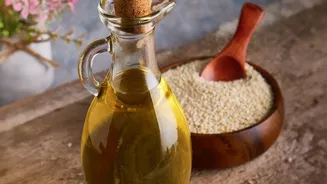
scent of 'nallennai'—which translates to 'good oil' in Tamil—has been the hallmark of a traditional South Indian kitchen. Unlike the dark, toasted sesame oil used in East Asian cooking, this version is cold-pressed from raw, un-toasted sesame seeds. The cold-pressing method is a gentle, mechanical process where seeds are crushed at low temperatures, typically below 49°C. This technique is crucial because it avoids the high heat and chemical solvents used to create refined oils. As a result, the oil retains its natural nutrients, authentic nutty aroma, and a beautiful golden hue, capturing the very essence of the sesame seed.
A Treasure Trove of Nutrients
The minimal processing of cold-pressed sesame oil is key to its nutritional prowess. It is rich in heart-healthy unsaturated fats, including omega-6 fatty acids. But its real distinction lies in its unique antioxidants, particularly the lignans sesamol and sesamin. These powerful compounds are largely preserved through cold-pressing and help protect the body against cellular damage. Furthermore, the oil is a natural source of Vitamin E, another potent antioxidant, and contains minerals like calcium, magnesium, and zinc that support everything from bone density to skin health. This impressive profile is why sesame oil has been revered in Ayurveda for centuries, not just as food, but as medicine.
The Foundation of Flavour
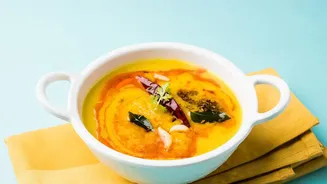
While the health benefits are significant, it is the flavour that makes cold-pressed sesame oil indispensable in the kitchen. It has a deep, earthy, and distinctly nutty character that is robust without being overpowering. This flavour is the backbone of countless South Indian vegetarian dishes, providing a complexity that no other oil can replicate. It’s the secret behind the tangy depth of a Vatha Kuzhambu, a tamarind-based curry where the oil melds with spices to create a rich, aromatic gravy. It is also the traditional choice for tempering, or 'tadka', where mustard seeds, curry leaves, and dried red chillies are sizzled in hot oil to release their aromatic compounds before being poured over dishes like sambar, rasam, and vegetable poriyals.
More Than a Cooking Medium
The role of gingelly oil extends far beyond the frying pan. It is famously used as a finishing oil, adding a final flourish of flavour and richness. A classic example is its use with idli podi, a dry spice and lentil powder. A generous drizzle of raw sesame oil is mixed into the podi to create a thick, savoury dip for soft idlis and crisp dosas. The oil’s nutty flavour perfectly complements the roasted lentils and chillies in the podi, transforming a simple condiment into a memorable experience. This practice highlights how the oil's raw flavour is just as important as its performance under heat.
The Soul of Pickles and Preserves
In the world of South Indian pickles ('oorugai'), cold-pressed sesame oil is not just an ingredient; it's a preservative. Its natural antioxidant properties help slow down spoilage, allowing pickles made from mango, lemon, and other vegetables to last for months. The oil is used raw, poured over the salted and spiced ingredients to create a protective layer that blocks air and prevents mould. As the pickle matures, the sharp, nutty flavour of the oil deepens, infusing into the ingredients and creating the complex, signature taste of homemade Indian pickles.