



Exploring why NASA's invitation for India to join its Artemis moon base project is a pivotal moment in international space and geopolitical strategy.
The new race to the moon isn't just about planting flags; it’s about building alliances. NASA's formal invitation to India to help build a permanent lunar base is more than a technical pact—it's a defining moment for the future of space.The Most Exclusive Invitation in a Generation
In early August 2026, during a meeting at the Indian Space Research Organisation (ISRO) headquarters in Bengaluru,
NASA extended a formal invitation for India to participate in its ambitious Moon Base program. This isn't just an offer to collaborate on a single mission; it's an invitation to help build a permanent, city-like human outpost near the lunar south pole. The announcement came from the ninth U.S.-India Civil Space Joint Working Group, a body established in 2005 to foster bilateral cooperation. While specific details of what India's participation would entail are still being discussed, the gesture itself is a significant escalation of the partnership, moving beyond data sharing and into the realm of co-creating humanity’s first settlement on another world.
Artemis: Not Your Grandfather's Moonshot
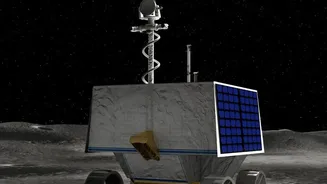
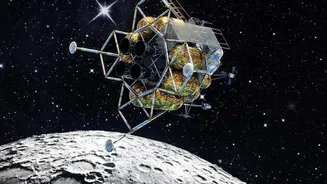
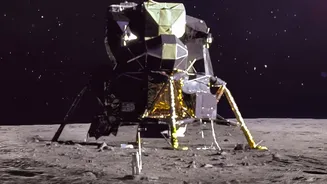
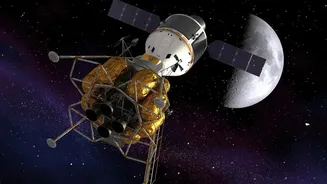
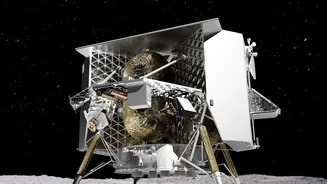
To understand the gravity of the invitation, you have to understand the Artemis program. Unlike the Apollo missions of the 20th century, which were about getting there and coming back, Artemis is about staying. NASA’s goal is to establish a sustainable human presence on the Moon, complete with habitats, power systems, and research facilities, which it calls the Artemis Base Camp. This lunar foothold, located at the resource-rich south pole, would serve two primary purposes: to facilitate long-term scientific research and to act as a crucial testing ground for the technologies needed for an even bigger goal—sending astronauts to Mars. The program is being executed in phases, with robotic scouts preceding the establishment of initial infrastructure between 2029 and 2032, and a semi-permanent crew presence planned thereafter.
A Partnership Built Over Decades
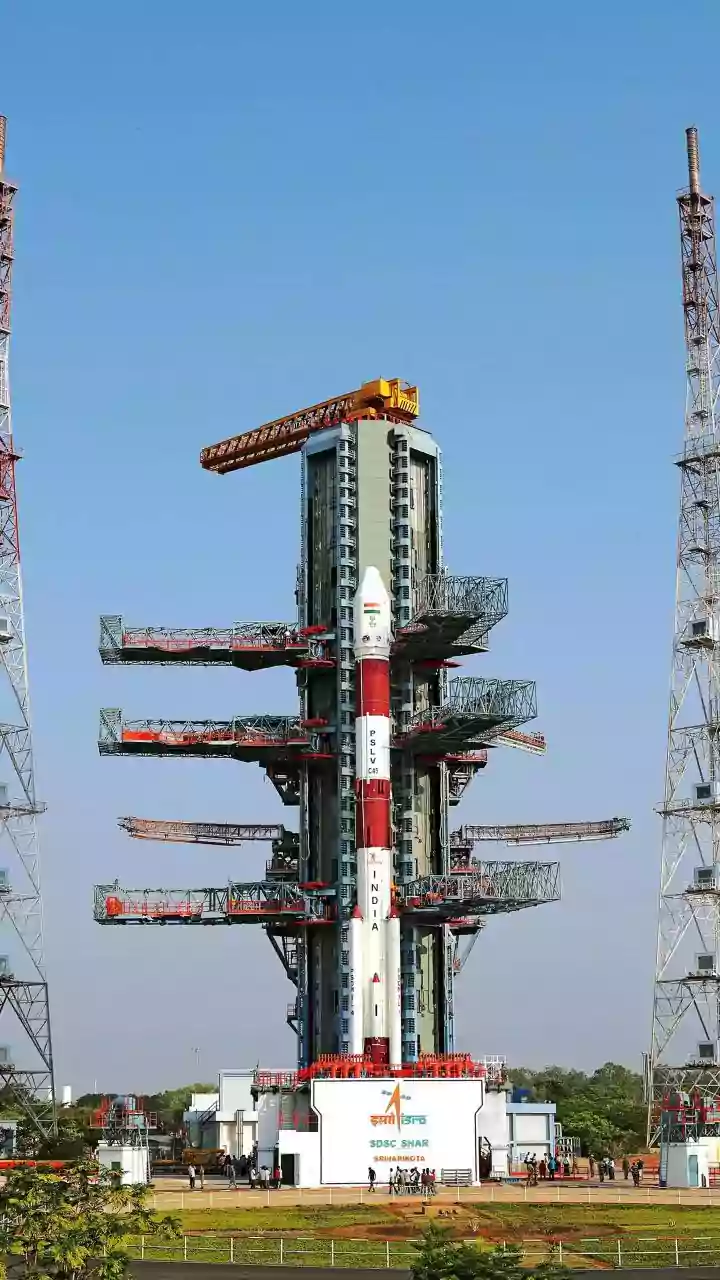
This invitation didn't come out of nowhere. It’s the culmination of years of steadily growing trust and collaboration. A key milestone was India's decision to sign the Artemis Accords in June 2023, becoming the 27th signatory. The Accords are a U.S.-led set of principles for peaceful and responsible space exploration, creating a coalition of nations committed to a shared vision for operating in space. Beyond diplomacy, the two agencies have a strong record of technical partnership, including the successful joint NASA-ISRO Synthetic Aperture Radar (NISAR) mission to map changes on Earth's surface. The successful landing of India’s Chandrayaan-3 craft near the lunar south pole in 2023 also served as a powerful demonstration of ISRO's advanced capabilities and expertise in a region of critical interest to NASA.
The Geopolitical View from 239,000 Miles
The U.S.-India space alliance has a clear strategic dimension. By building a broad coalition under the Artemis Accords, the United States is creating a collaborative counterweight to the parallel lunar ambitions of China and Russia, who are not part of the framework and are pursuing their own plans for a moon base. For the U.S., partnering with a capable democracy like India strengthens the geopolitical foundation of its deep space ambitions. It frames the future of space not as a race between two rival superpowers, but as a project built by a global community of like-minded nations. Aligning with India—a rising power with a proven track record of cost-effective engineering and a massive pool of scientific talent—is a strategic move to ensure American leadership in a new, multipolar era of space exploration.
What's In It for India?
For India, the benefits are immense. Participating in the Moon Base program offers a chance to fast-track its own ambitious space goals, which include launching its first crewed mission (Gaganyaan), establishing its own space station by 2035, and landing an Indian astronaut on the Moon by 2040. Collaborating with NASA would provide invaluable experience in long-duration human spaceflight, habitation systems, and deep-space operations, potentially saving years of development and significant financial resources. It allows India to leapfrog certain technological hurdles and avoid reinventing the wheel, integrating its burgeoning private space sector into the global supply chain while still retaining its own independent capabilities.