


A Sweet Tradition Reimagined
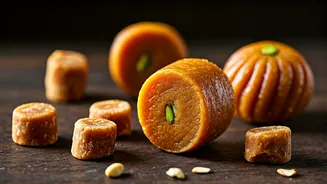
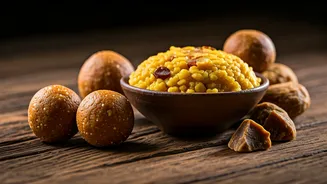
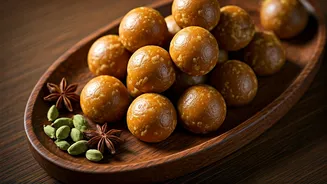
For generations, temple sweets or 'prasad' have been an integral part of India’s spiritual and cultural fabric. These are not just desserts; they are offerings imbued with sanctity, from the rich Tirupati laddoo to the fragrant panchamirtham of Palani.
Traditionally made with specific ingredients and rituals, they represent purity and devotion. But in a fascinating cultural shift, these sacred recipes are moving from the temple sanctum to the modern home kitchen. Home cooks are rediscovering the profound flavours and emotional connection of these sweets, but with a distinctly contemporary twist. It’s a movement that honours heritage not by preserving it in a glass case, but by actively engaging with it, adapting it, and making it relevant for a new era.
The Golden Rise of Jaggery
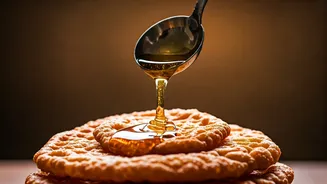
At the heart of this culinary explosion is one hero ingredient: organic jaggery. For years, refined white sugar dominated urban kitchens as a symbol of modernity. Jaggery, or 'gur', was often seen as rustic or old-fashioned. Today, the tables have turned dramatically. As wellness awareness grows, consumers are increasingly wary of processed foods and empty calories. Jaggery, an unrefined sugar rich in minerals like iron and magnesium, has been repositioned as a wholesome, natural sweetener. The 'organic' label further elevates its status, assuring consumers of a product free from chemical processing. This golden-brown sweetener brings not just sweetness but also a complex, molasses-like depth of flavour that white sugar can't replicate, adding a new dimension to classic recipes.
Wellness Meets Worship
The trend is more than a simple ingredient swap. It represents a deeper alignment of modern values with traditional practices. Many Indians are seeking ways to enjoy the festive and comfort foods of their childhood without the associated health guilt. Replacing white sugar with organic jaggery allows them to do just that. It's a way of saying, "We can still honour our traditions without compromising our health." This synthesis is particularly potent with temple sweets, which are already associated with purity and auspiciousness. By using a 'purer' form of sugar, home cooks feel they are enhancing the very essence of the prasad. It’s a mindful approach to cooking that feeds the body as well as the soul, connecting the dietary discipline of the present with the devotional practices of the past.
From Temple to Table
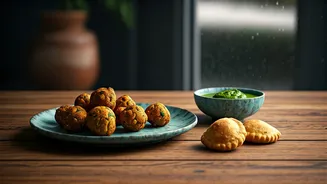
So what does this look like on a Sunday afternoon? It looks like besan laddoos getting their nutty sweetness from dark palm jaggery instead of sugar. It’s kheer or payasam being simmered with liquid jaggery, giving it a beautiful caramel hue and earthy aroma. Classic recipes for 'sheera' (suji halwa) and 'panjiri', often served at religious ceremonies, are being tweaked for everyday indulgence. Food bloggers and Instagram influencers are leading the charge, sharing beautifully styled photos and simplified recipes. They provide guides on how to manage jaggery's properties—like preventing milk from curdling when making payasam—making these ancient recipes accessible to even novice cooks. This democratisation is key; it transforms temple food from a specialised, ritualistic preparation into a joyous weekend project for the whole family.