



Why You Should Chase the Rain
Traveling during a region’s monsoon or rainy season might seem counterintuitive, but the rewards are immense. First, the term “monsoon” refers to a seasonal wind shift, not nonstop rain. It often means intense but brief downpours, typically in the afternoon,
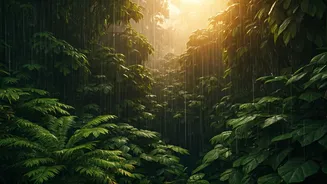
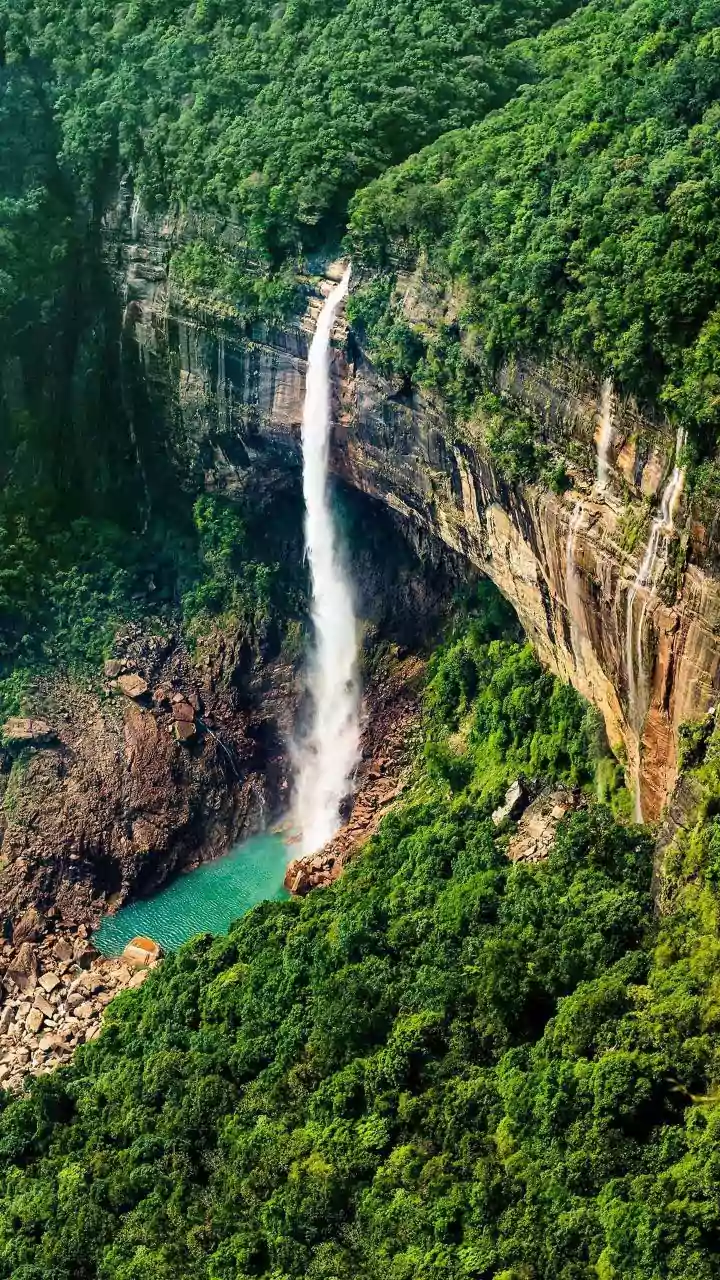
leaving the rest of the day clear and fresh. The benefits are compelling: landscapes are at their most lush and vibrant, waterfalls are thunderous, and the air is clean. Tourist numbers plummet, leading to lower prices on flights and accommodations and a more peaceful experience. For photographers, the dramatic, stormy skies and saturated colors offer unparalleled opportunities. It’s a chance to see a destination breathe and come alive in a way fair-weather tourists never will.
The Desert Comes Alive: Arizona & New Mexico, USA
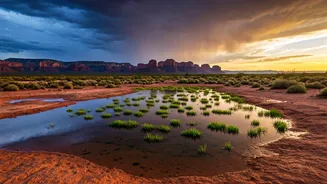
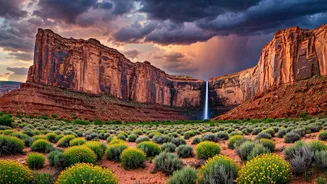
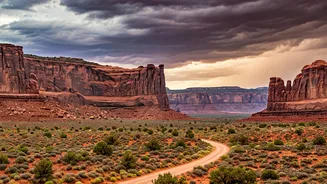
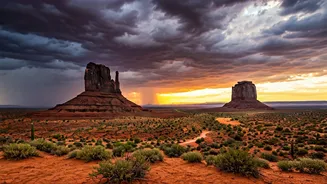
You don’t have to cross an ocean to witness a monsoon. From roughly July through mid-September, the North American Monsoon brings spectacular thunderstorms to the Southwest. Forget dreary drizzle; this is high drama. The sky puts on a daily performance of towering cumulonimbus clouds, crackling lightning, and sudden, intense bursts of rain that cool the desert air. The parched landscape responds almost instantly, with wildflowers blooming and the scent of creosote filling the air. It’s a perfect time for a road trip through places like Tucson, Santa Fe, or around the Chiricahua Mountains. You can spend mornings hiking in cooler temperatures and retreat to a covered patio in the afternoon to watch the sky unfold. Just be sure to practice lightning safety and never enter a dry wash or arroyo when rain is in the forecast, as flash floods are a real danger.
Ayurveda and Emerald Backwaters: Kerala, India
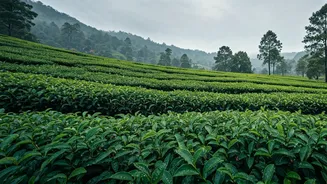
For the classic monsoon experience, look no further than Kerala. In “God’s Own Country,” the monsoon (from June to September) isn’t just weather; it’s a cultural event, celebrated in poetry and art. The landscape transforms into an impossible shade of green, and the famous backwaters swell with life. This is traditionally the best time for Ayurvedic treatments, as the moist, cool air is believed to help the body absorb the therapies more effectively. Imagine receiving a traditional massage while listening to the rhythm of rain on the roof of your houseboat. The crowds of winter are gone, leaving you with serene views of tea plantations shrouded in mist and a sense of profound peace. Plus, the Onam festival, a major harvest celebration, often falls in late August or early September, offering a vibrant cultural bonus.
Fewer Crowds, Greener Vistas: Northern Thailand
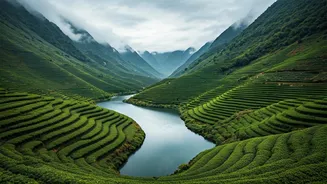
Thailand’s rainy season (roughly July to October) gets a bad rap, especially in the southern islands where beach plans can be washed out. But if you head north to areas like Chiang Mai and Chiang Rai, the “green season” is arguably the best time to visit. The rice paddies are a brilliant emerald, the jungles are bursting with life, and the waterfalls are at their most magnificent. The rain usually comes in short, powerful afternoon showers, which are perfect for a temple visit, a cooking class, or a relaxing Thai massage. With far fewer tourists, you can explore the region’s ethical elephant sanctuaries, ancient ruins, and bustling markets without the usual jostle. It’s a more intimate and authentic way to experience the cultural heart of Thailand.
The 'Green Season' Secret: Costa Rica
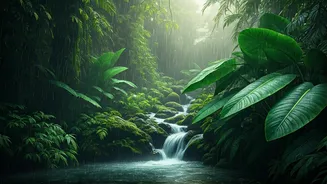
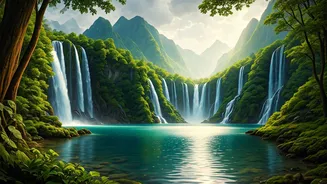
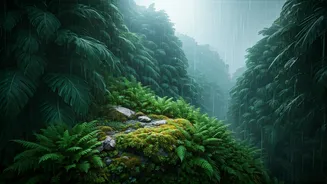
In Costa Rica, locals don’t call it the rainy season; they call it the “green season” (May to November), and for good reason. This is when the country’s famed rainforests are at their most stunningly verdant and alive. While the Pacific coast sees afternoon showers, the Caribbean side often remains drier. The rain brings life, making it a prime time for wildlife viewing, as animals are more active and easier to spot against the lush foliage. It’s also the best season for surfing, as the swells are more consistent. For adventure seekers, river rafting is at its peak with higher water levels. You’ll enjoy the benefits of lower-season pricing and get to witness the Pura Vida lifestyle when nature is at its most powerful and beautiful.