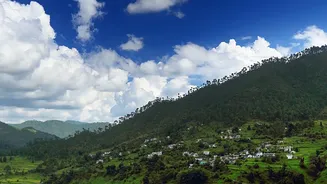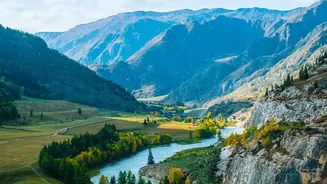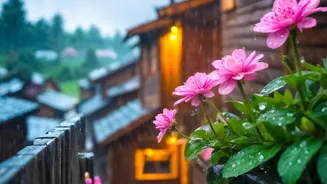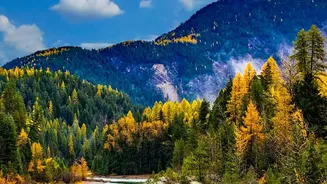




Why Choose Tirthan and Shoja in Autumn?
While major tourist destinations in Himachal Pradesh brace for holiday rushes, the Tirthan Valley and its quiet neighbour, Shoja, offer a peaceful alternative. The period from September to November is particularly magical. The post-monsoon air is crisp
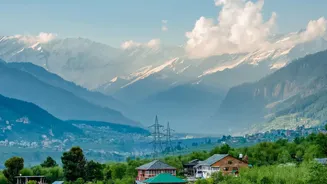
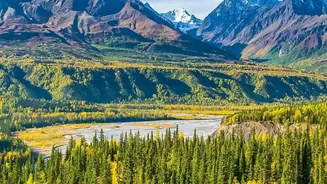
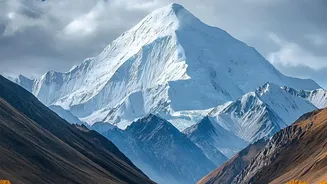
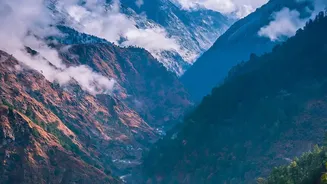
and clear, revealing stunning panoramic views of the Great Himalayan National Park. The weather is pleasant for outdoor activities, the summer crowds have thinned, and the landscape, bathed in soft sunlight, sheds its lush green for a rustic brownish hue. It’s a time for quiet contemplation, village walks, and reconnecting with nature without the usual hustle.
Tirthan Valley: A Riverside Sanctuary
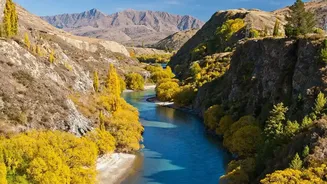
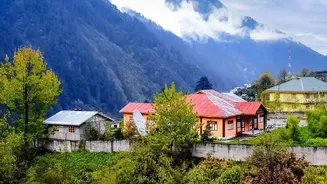
Tirthan Valley, a gateway to the Great Himalayan National Park UNESCO World Heritage Site, is defined by the pristine Tirthan River. Unlike over-commercialized destinations, its charm lies in its simplicity. The valley is dotted with quaint villages, traditional wooden homes, and apple orchards. The primary activities here revolve around nature: trout fishing in the river's clear waters, hiking along forested trails, and discovering hidden waterfalls. The emphasis is on authentic experiences, with many visitors opting for homestays that offer a genuine slice of Himachali life and hospitality.
Shoja: The Quiet Hamlet Above
A short, scenic drive up from the main valley lies Shoja, a small, serene village that feels a world away from everything. Perched at a higher altitude, it offers breathtaking views of the surrounding peaks and dense deodar forests. Shoja is quieter than even Jibhi, the more popular village in the valley, making it an ideal base for those seeking solitude. Its main draw is its proximity to the stunning Jalori Pass, which connects the Kullu region to the Shimla district. The village itself is perfect for doing nothing at all—just sitting on a balcony, sipping tea, and soaking in the profound silence.
Adventures for the Autumn Soul
The region offers a range of gentle adventures perfectly suited for the autumn climate. A must-do is the drive to Jalori Pass, located at an altitude of about 3,120 metres. From the pass, two popular and beginner-friendly treks await. The 5-kilometre trail to Serolsar Lake takes you through a beautiful oak forest to a tranquil, sacred lake with a temple dedicated to Budhi Nagin. The walk is mostly gentle and takes about two hours each way. Another option is the slightly steeper trek to the ruins of Raghupur Fort, which opens up to a meadow with 360-degree views of the Himalayas. Village hopping is another wonderful way to explore, with trails connecting small hamlets like Ghiyagi, Bahu, and Chaini Kothi, known for its historic tower.
Planning Your Tranquil Escape
Reaching Shoja and Tirthan Valley is part of the adventure. The most common route is by road from Delhi or Chandigarh. The journey involves taking a bus or driving to Aut, a small town on the main Kullu-Manali highway, and then hiring a local taxi for the final stretch into the valley. The nearest airport is Bhuntar Airport in Kullu, about two to three hours away by car. Accommodation primarily consists of charming homestays and guesthouses, many of which are traditional wooden structures offering an authentic local feel. Booking in advance, especially during the peak autumn months, is advisable. Pack warm layers, as evenings and mornings can be chilly, and sturdy shoes for walking. Also, carry sufficient cash, as ATMs can be scarce in the smaller villages.