




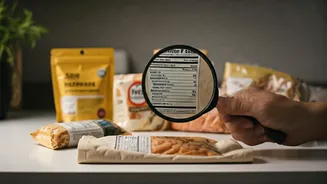


The Regulatory Shake-Up
The Food Safety and Standards Authority of India (FSSAI) is cracking down on misleading claims. For years, terms like 'natural', 'healthy', and 'pure' have been used liberally by brands to attract health-conscious consumers. Now, the regulator is intensifying
its scrutiny, issuing notices to numerous companies for claims that may not align with their product's actual ingredients. This push for transparency is at the heart of the conflict. The FSSAI's goal is to empower consumers to make genuinely informed choices, moving beyond marketing jargon. The latest and most significant move in this direction is the push for mandatory Front-of-Pack Labelling (FOPL).
Decoding the Health Stars
The FSSAI's chosen weapon for this battle is the Health Star Rating (HSR) system, similar to what's used in Australia and New Zealand. This system rates a product's overall nutritional profile, from a half-star to five stars, based on its levels of salt, sugar, and fat, as well as positive nutrients like fibre and protein. The idea is simple: the more stars, the healthier the product. Currently, the system is in a voluntary phase to allow the industry time to adapt, but the FSSAI has indicated it will eventually become mandatory. This at-a-glance rating is designed to cut through the noise and give consumers a quick, visual cue about the healthiness of a product right at the point of sale.
The 'Better-For-You' Dilemma
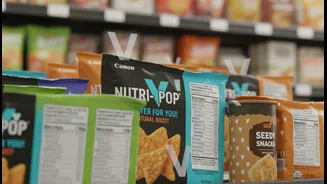
Ironically, the brands most likely to be caught in the crossfire are the 'better-for-you' startups that have championed the healthy eating trend. Many of these brands built their identity on what they are not: not full of maida, not full of refined sugar. Instead, they use ingredients like whole grains, millets, oats, and natural sweeteners like jaggery or date syrup. The HSR system's algorithm, however, primarily focuses on the total amounts of fat, sugar, and sodium. This means a baked ragi chip snack, while healthier than its fried potato counterpart, might still receive a low star rating due to its salt or fat content, diminishing its key marketing advantage.
An Uneven Playing Field?
This creates a significant challenge for smaller, direct-to-consumer brands. Their entire value proposition is built on being a healthier alternative. A low star rating could make their products seem indistinguishable from mass-market snacks, eroding consumer trust and market share. Larger FMCG giants, on the other hand, possess massive research and development budgets. They have the resources to reformulate their products—tweaking recipes to reduce a pinch of salt here or a gram of sugar there—to achieve a better star rating. This ability to adapt and innovate at scale could give them a competitive edge, allowing them to potentially dominate the 'healthy' space that smaller brands pioneered.
What Does This Mean for Consumers?
Ultimately, the FOPL regulations aim to benefit the consumer. In a market flooded with confusing and sometimes misleading claims, a standardized system promises clarity. However, critics argue that the HSR system itself could be confusing. They suggest that simple warning labels—like those used in Chile, which explicitly flag products high in sugar, salt, or fat—are more effective at steering consumers away from unhealthy options. Studies have shown that such warning labels can lead to significant reductions in the consumption of unhealthy products. The debate continues on whether the star rating will truly help an Indian shopper make a split-second healthy decision or if it oversimplifies complex nutritional information.