







An Unusual End to the Monsoon Season
The 2026 monsoon season is winding down, but not without leaving significant concerns. After a particularly dry and hot August—the hottest since 1901, according to the India Meteorological Department (IMD)—the forecast for September continues the trend.
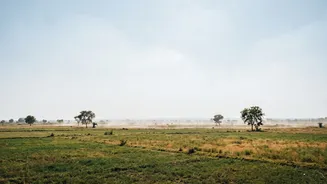
The IMD predicts that rainfall for September will likely be below normal across the country. This follows a season that has already seen a substantial rainfall deficit. The official withdrawal of the monsoon, which normally begins from West Rajasthan around September 17, may occur on schedule or even slightly earlier this year. Strong El Niño conditions are a major contributing factor, disrupting typical weather patterns and leading to warmer, drier conditions.
Understanding 'September Heat'
The term “September Heat” describes the phenomenon where temperatures rise noticeably after the monsoon rains begin to subside. With reduced cloud cover, the sun's rays beat down more intensely. At the same time, high moisture content remains in the atmosphere and soil from the preceding rainy months. This combination of rising heat and lingering humidity creates a sweltering, uncomfortable environment that can often feel more oppressive than the peak summer months of May and June. For September 2026, the IMD forecasts that both maximum and minimum temperatures are likely to be above normal for most parts of the country, amplifying this effect.
A Mixed National Weather Picture
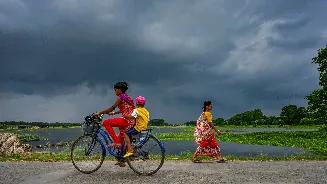
While the overall trend is toward a drier September, the situation is not uniform across India. A low-pressure system is expected to bring continued intense rainfall to parts of central and eastern India in the first week of the month. Regions like Chhattisgarh, East Madhya Pradesh, Odisha, and Jharkhand may see heavy showers. Similarly, several states in the north and east, including Uttar Pradesh, Himachal Pradesh, Uttarakhand, and parts of the Northeast, are also expected to remain wet for now. However, for the majority of the country, especially the south peninsula and western regions like Maharashtra and Gujarat, rainfall has been deficient and is expected to remain subdued.
Health Precautions Are a Priority
This transitional weather phase poses several health risks. The combination of heat and humidity increases the danger of heat exhaustion and dehydration. It is crucial to drink plenty of water and avoid strenuous outdoor activity during peak afternoon hours. Furthermore, the post-monsoon period is often associated with a rise in vector-borne and waterborne diseases. Stagnant pools of water left behind by the rains become breeding grounds for mosquitoes, increasing the risk of illnesses like dengue. Health officials also report a seasonal rise in influenza and other respiratory infections like H1N1 during this time. Pay close attention to symptoms like high fever, body aches, or persistent coughing, and consult a doctor rather than self-medicating.
Impact on Agriculture and Water Resources
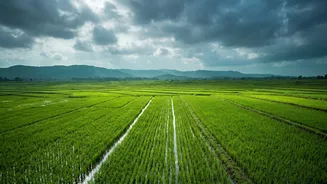
The forecast of a dry and hot September is a cause for significant concern for the agricultural sector. The month is crucial for the maturing of summer-sown (Kharif) crops, and a lack of rain can negatively impact yields. Regions already facing a significant rainfall deficit, such as Punjab and Andhra Pradesh, are particularly vulnerable. The shortfall also affects soil moisture, which is vital for the upcoming winter planting season (Rabi crops). Beyond farming, below-normal rainfall puts a strain on water resources, affecting reservoir levels, drinking water availability, and hydropower generation. Agencies have been advised to prepare for these challenges through efficient water management and contingency planning.