


The Answer to a Rainy Day
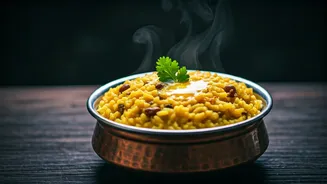
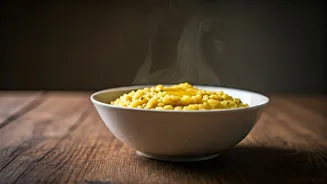
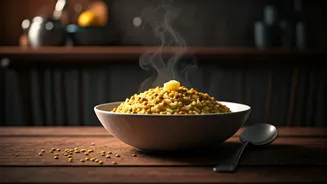
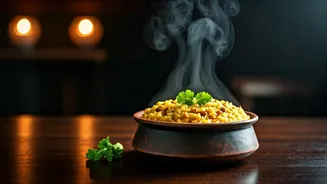
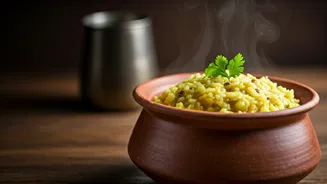
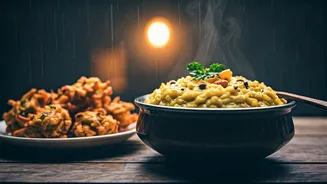
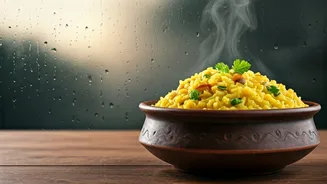
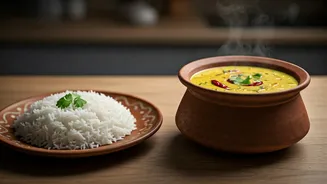
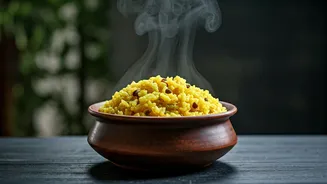
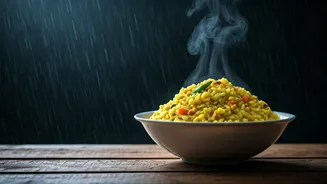
In the grand theatre of Indian cuisine, with its complex curries and elaborate biryanis, the unassuming hero of the monsoon is Khichdi. A one-pot wonder of rice and lentils, it’s a dish that embodies the feeling of coming home. As the rain lashes against
the windowpanes and a cool dampness seeps into the air, the sound of a pressure cooker hissing in the kitchen is a promise of solace. It’s the meal your mother made when you were sick, the first solid food you ate as a baby, and the go-to comfort meal that requires minimal effort for maximum satisfaction. This connection to wellness and care is especially potent during the monsoon, a season notorious for sluggish digestion and water-borne ailments. Khichdi, in its most basic form, is gentle on the stomach, easy to digest, and profoundly nourishing.
A Pan-Indian Phenomenon
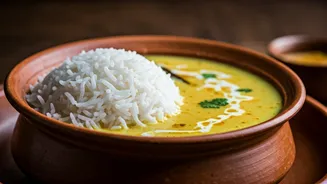
To call Khichdi a single dish is to miss its beautiful complexity. It is a culinary canvas that stretches across the length and breadth of India, with each region painting it in its own unique colours and flavours. In Bengal, the Bhog’er Khichuri is a festive, no-onion-no-garlic preparation made with roasted moong dal and gobindobhog rice, often served with a medley of fried vegetables. Head west to Gujarat, and you’ll find a spicier, more liquid version called Vaghareli Khichdi, tempered with cloves and cinnamon, and famously served with a dollop of ghee and a side of kadhi. In the South, its closest cousin is Pongal, a creamy concoction of rice and lentils studded with black peppercorns, cumin, and cashews. From the hearty bajra khichdi of Rajasthan to the vegetable-laden versions in Maharashtra, its adaptability is proof of its deep roots in the Indian psyche. It’s a unifying thread in a diverse culinary tapestry.
The Science of Comfort
The age-old wisdom behind Khichdi is backed by modern nutrition. The combination of a cereal (rice) and a legume (lentils) creates a complete protein profile, providing all the essential amino acids your body needs. It’s a perfect vegetarian protein source. According to Ayurveda, the monsoon season weakens the 'agni' or digestive fire. Light, warm, and well-cooked foods are recommended, and Khichdi fits this description perfectly. The addition of turmeric provides anti-inflammatory benefits, ginger aids digestion, and a generous spoonful of ghee not only adds flavour but also helps lubricate the digestive tract and assimilate fat-soluble vitamins. It is, quite literally, a bowl of wellness, designed by generations of domestic wisdom to heal and restore the body from the inside out.
From Humble Kitchens to Gourmet Menus
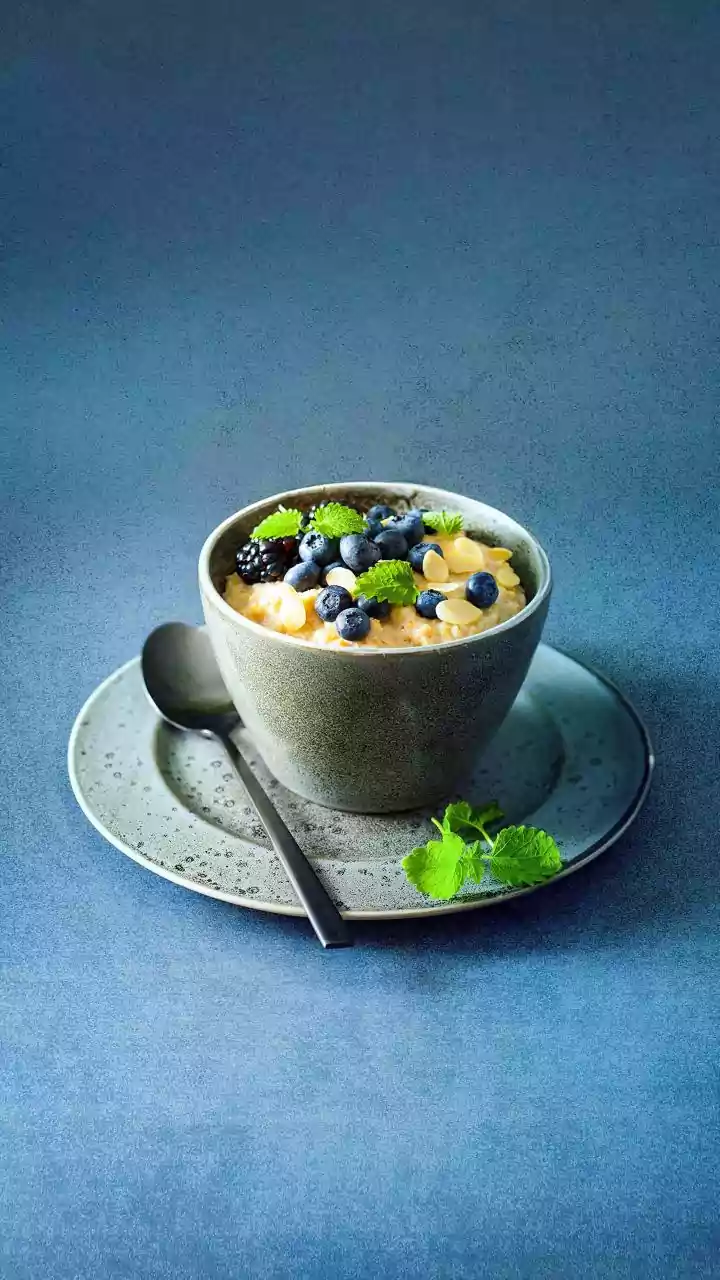
For years, Khichdi was relegated to the domestic sphere, often labelled as ‘sick-person food’. But in a world increasingly drawn to wellness, authenticity, and mindful eating, this humble dish is experiencing a renaissance. High-end restaurants and trendy cafes are now proudly featuring artisanal Khichdi on their menus. Chefs are experimenting with exotic grains like quinoa and millet, adding gourmet ingredients like truffle oil and parmesan, and presenting it with a modern flair. This revival isn't just a trend; it's a rediscovery of value. It acknowledges that the most sophisticated food isn’t always the most complicated. Sometimes, it’s the one that tastes like a memory, feels like a hug, and nourishes the soul. The modern Khichdi might wear a fancier coat, but at its heart, it remains the same reliable hero.