

The Spiritual Heart of the Fast
Observing a fast on Janmashtami is a deeply personal act of devotion, meant to purify the body and mind, allowing devotees to focus on prayer and meditation. The Sanskrit word for fasting, 'upvas', means 'to reside near', signifying the goal of drawing
closer to the divine. The fast begins on Ashtami tithi and is traditionally broken at midnight, the time of Lord Krishna's birth, or the following morning. Depending on health, age, and family traditions, devotees may observe a strict 'Nirjala' vrat without food or water, or a 'Phalahar' vrat, which permits the consumption of certain foods.
Foods to Strictly Avoid
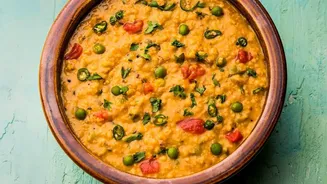
The cornerstone of the Janmashtami fast is the avoidance of all grains and cereals. This includes staples like rice, wheat, oats, and barley. Lentils, pulses, and beans are also excluded from the fasting menu. Additionally, certain vegetables are forbidden, most notably onions and garlic. Non-vegetarian food, including meat, fish, and eggs, is strictly prohibited, as are alcohol and tobacco. Even common table salt is replaced with sendha namak, or rock salt, for any cooking done during the vrat. Processed and packaged foods are generally avoided as they may contain restricted ingredients.
The 'Why' Behind the Rules
The dietary restrictions are rooted in the principles of a Sattvic diet. In yogic and Ayurvedic traditions, foods are categorized into three gunas or qualities. Onions and garlic are considered 'Tamasic', meaning they are believed to dull the senses and create restlessness, hindering spiritual focus. The avoidance of grains has deep scriptural roots, with ancient texts suggesting that sins reside in food grains on holy days. By abstaining from them, devotees aim to purify themselves both physically and spiritually. The fast provides the digestive system a rest from heavy, everyday foods, which is believed to calm the mind and reduce worldly distractions, making it easier to engage in prayer and devotion.
What You Can Enjoy During the Vrat
The Janmashtami vrat is far from a day of complete deprivation for most. A wide variety of delicious and nourishing foods are permitted. All fresh fruits, such as bananas, apples, and pomegranates, are welcome. Dairy products, famously loved by Lord Krishna, are central to the vrat diet; milk, curd, paneer, and butter can be consumed. For more substantial meals, specific 'vrat-friendly' flours and starches are used, including Sabudana (tapioca pearls), Kuttu (buckwheat flour), Singhara (water chestnut flour), and Samak rice (barnyard millet). Vegetables like potatoes, sweet potatoes, pumpkin, and cucumber are also allowed.
Creating a Vrat-Friendly Menu
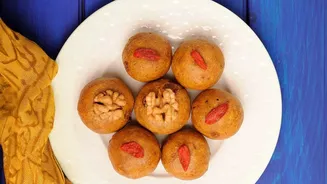
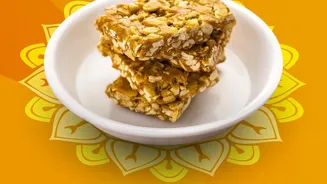
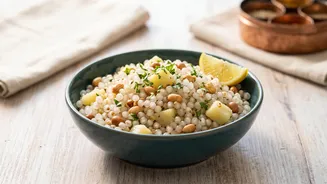
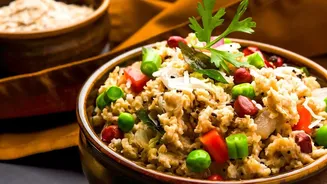
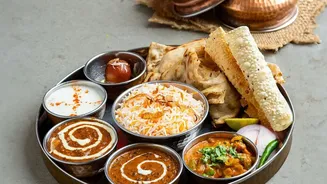
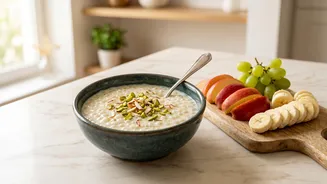
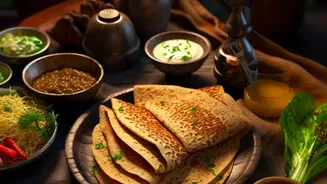
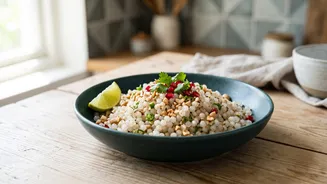
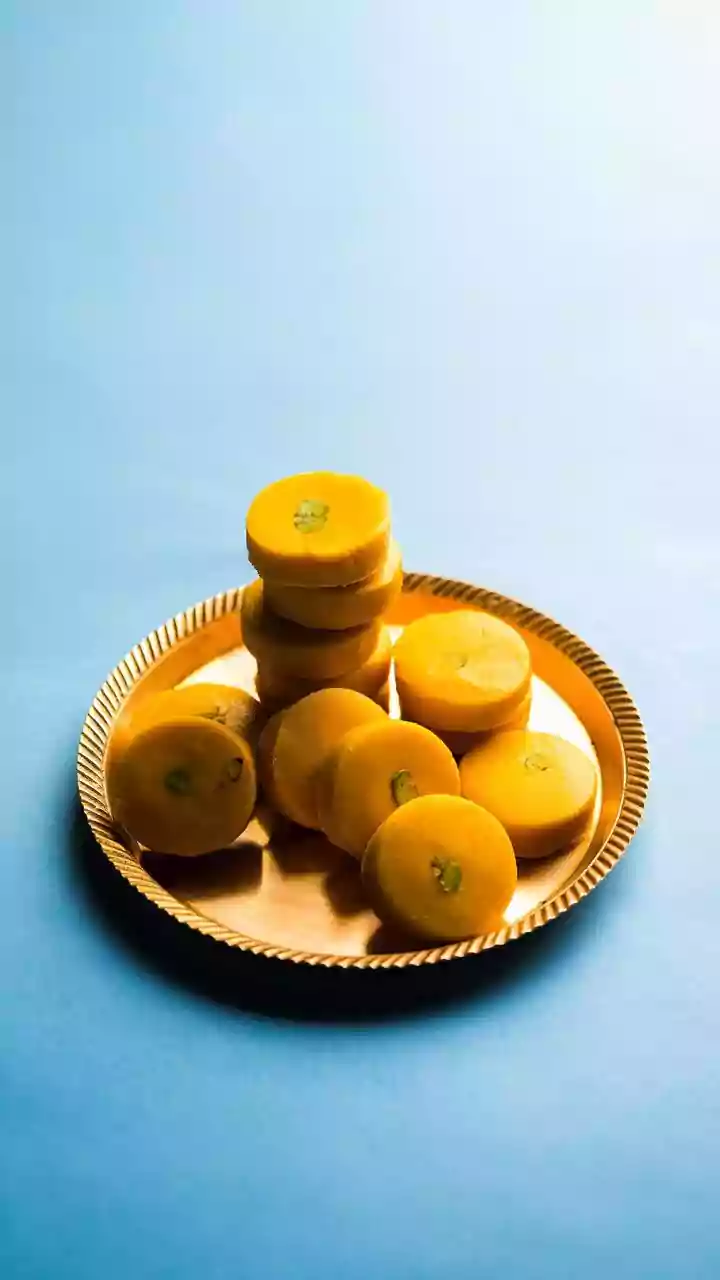
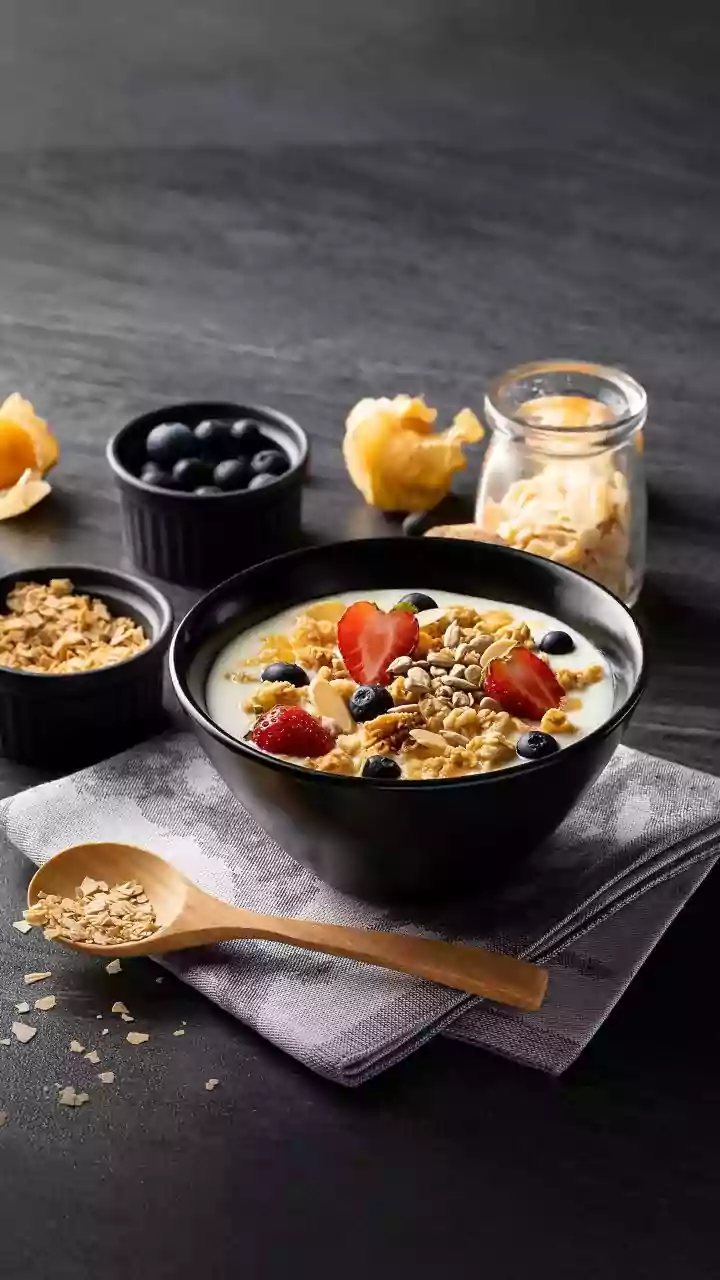
With these ingredients, a full day's menu can be created. A breakfast might consist of fruit and a glass of milk. For a main meal, one could prepare Sabudana Khichdi, made with soaked tapioca pearls, potatoes, and peanuts. Another popular option is Kuttu ki Puri served with a simple potato curry. For snacks, roasted makhana (fox nuts) seasoned with rock salt and pepper are a light and filling choice. Many sweets are also prepared, such as Sabudana Kheer or a simple panchamrit made from milk, curd, honey, ghee, and sugar, which is often used to break the fast after the midnight puja.