




Ranthambore National Park, Rajasthan
While the core zones 1 to 5 of this iconic tiger reserve are closed from July 1st to September 30th for the annual monsoon break, the adventure doesn't stop. Safari operations will continue in the buffer zones, specifically gates 6 through 10. This offers
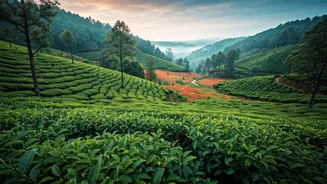
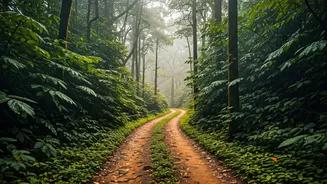
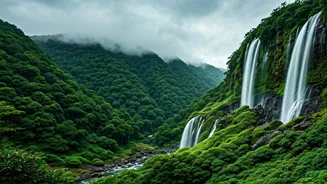
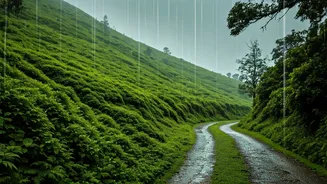
a fantastic opportunity to see Ranthambore in a completely different light. The landscape transforms into a vibrant green spectacle, with the ancient forts and lakes looking even more dramatic under the monsoon sky. Though tiger sightings might require more patience, the quieter atmosphere and stunning scenery make for a memorable trip for any nature photographer or wildlife enthusiast.
Tadoba-Andhari Tiger Reserve, Maharashtra
Known for its high tiger density, Tadoba is another park that adapts for the monsoon. The core areas of the reserve are closed to visitors from the end of June until September 30 to allow for habitat regeneration and to ensure safety. However, tourism continues to thrive in the buffer zones, which have gained a reputation for excellent wildlife sightings. Following a positive response in previous years, all buffer gates at Tadoba are expected to remain open for gypsy safaris this monsoon season. This means visitors still have a great chance to spot tigers, leopards, and wild dogs against a backdrop of the rain-washed jungle.
Periyar Tiger Reserve, Kerala
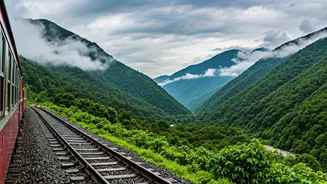
Down south in Kerala, Periyar Tiger Reserve is one of the most reliable destinations for a monsoon safari, as it remains largely accessible throughout the season. The park offers a unique viewing experience, with boat safaris on the vast Periyar Lake being the main attraction. During the rains, the forests are at their most lush, and herds of elephants are often spotted along the shoreline. The cooler weather and replenished water bodies make it an ideal time for birdwatching and enjoying the serene beauty of the Western Ghats. Apart from boat rides, guided nature walks are also available for those who want to explore the forest on foot.
Bandipur National Park, Karnataka
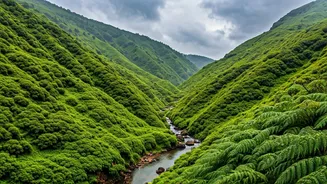
Adjacent to the Nilgiri Biosphere Reserve, Bandipur National Park remains open to visitors year-round, including the monsoon months from July to September. Visiting during this time allows you to see the forest transform into a vibrant, green paradise. While heavy rain can sometimes affect safari routes, the park's moderate climate generally permits exploration. The monsoon is a great time to witness the lushness of the landscape and spot resident wildlife like elephants, gaur, and various deer species. It's also an excellent season for birdwatchers, with many species active in the verdant surroundings.
Plan Ahead: Jim Corbett National Park, Uttarakhand
While some zones of India's oldest national park, like Jhirna and Dhela, remain open for parts of the monsoon, the park's most famous zones, Dhikala and Bijrani, close during the rainy season. These popular core areas are scheduled to reopen in mid-October and mid-November, respectively. This makes the current monsoon period the perfect time to plan and book your post-monsoon trip. As one of the country's premier tiger habitats, safaris in Corbett are in high demand, and booking well in advance is crucial, especially for the coveted Dhikala zone. Keep an eye on the official park website for booking announcements to secure your spot for a winter adventure.