




The Shift from Indulgence to Wellness
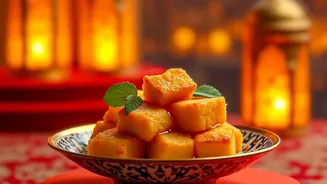
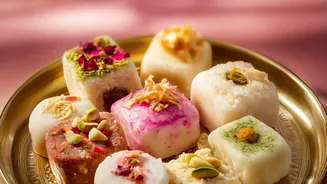
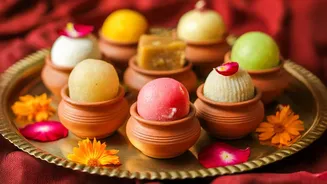
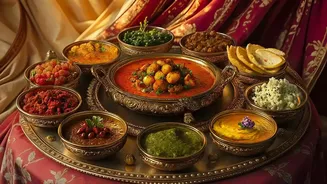
Traditionally, festive eating has been about abundance and richness. Platters are laden with fried snacks, ghee-soaked sweets, and heavy curries. While the joy of these foods remains, many are now seeking a more mindful approach. The modern view isn't
about restriction but about re-evaluation. It’s driven by a greater awareness of how food impacts overall well-being, from energy levels to digestive health. People want to participate fully in celebrations without the accompanying bloating, sluggishness, and guilt. This shift means focusing on how to enjoy festive flavours while supporting the body, proving that celebration and health don't have to be mutually exclusive.
Redefining the Festive Plate
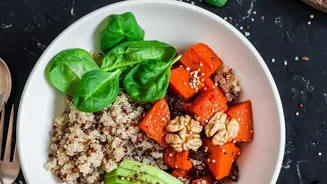
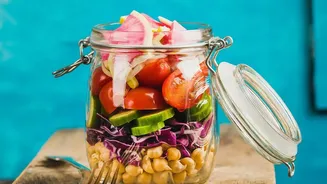
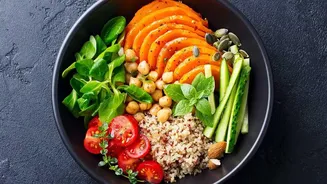
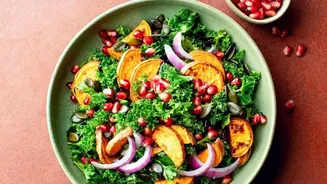
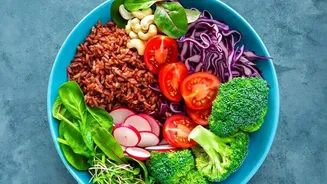
The key to a balanced festive meal isn't eliminating favourites, but making smart adjustments. Nutrition experts suggest a simple 'plate method' to ensure a balanced intake. Fill half your plate with vegetables or a fresh salad, one-quarter with a lean protein source like dal, paneer, or chicken, and the final quarter with grains such as roti or a small portion of rice. This approach ensures you get essential fibre, vitamins, and protein, which promote satiety and help manage blood sugar levels. Starting with lighter, nourishing foods like a warm soup or a salad can also prepare your digestive system for the richer dishes to follow. This strategy allows you to savour every dish without feeling overly full.
Smart Swaps for Healthier Classics
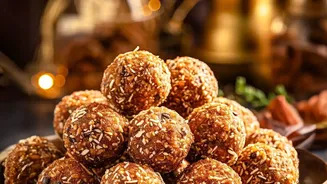
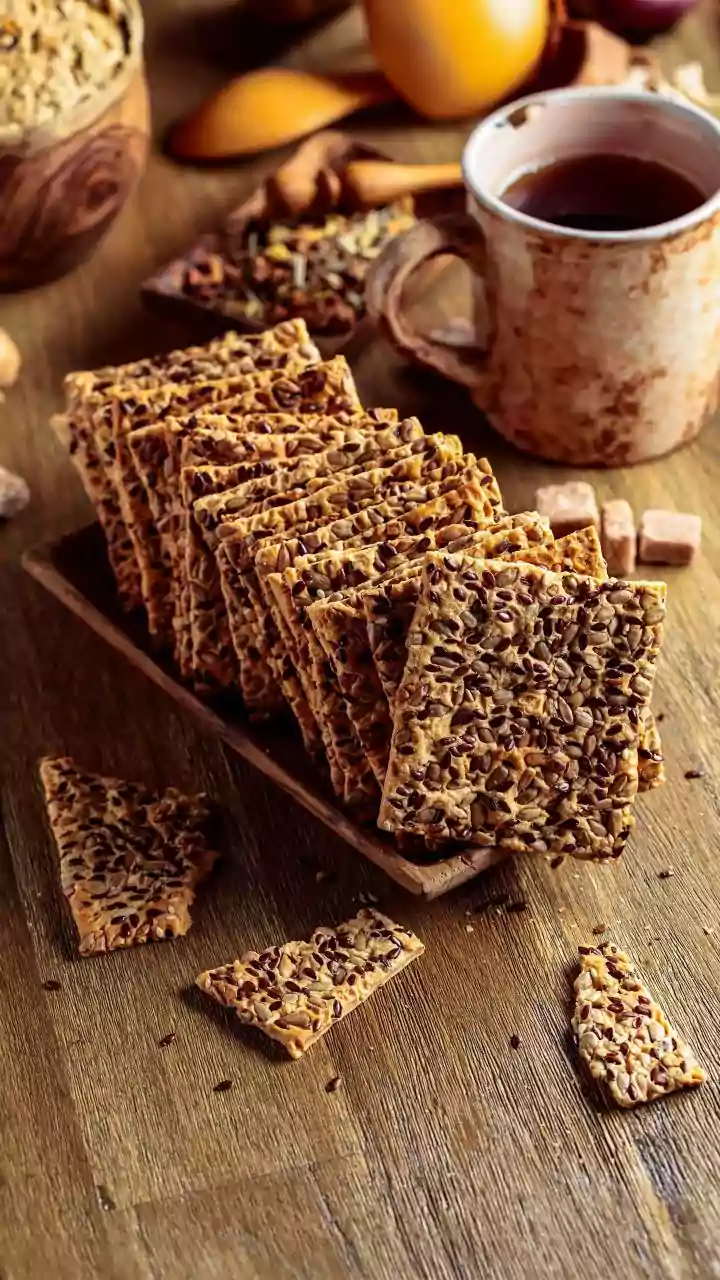
Many traditional recipes can be made healthier without losing their soul. Chef Sanjeev Kapoor suggests simple alternatives like baking or air-frying snacks like gujiya instead of deep-frying them. When making sweets at home, refined sugar can be replaced with jaggery, dates, or anjeer for natural sweetness. Opting for whole-grain flours or millet flour instead of refined flour (maida) in preparations like laddoos or mathris adds fibre. Even the type of fat matters; using traditional oils or ghee for frying is often recommended, but it's crucial not to reuse the oil. These small changes can significantly reduce the calorie load and increase the nutritional value of festive treats.
The Art of Portion Control
During festivals, when faced with an abundance of choices, portion control becomes vital. Using smaller plates can psychologically help in serving and eating less. Instead of trying to taste everything, nutritionists advise being selective. Pick the one or two sweets or snacks you truly love and savour them mindfully. Another effective strategy is to have a small, healthy snack like yogurt with nuts or a piece of fruit before heading to a party. This helps curb extreme hunger, making it easier to make conscious choices and avoid overeating at the main event.
Prioritising Digestive Comfort
Feeling good during the festive season often comes down to digestive health. Eating slowly and chewing food thoroughly gives your brain time to register fullness, preventing overconsumption. Staying hydrated is equally crucial, as thirst can often be mistaken for hunger. Drinking plenty of water helps aid digestion and flush out toxins. Incorporating gut-friendly foods like yogurt (dahi) into your meals provides probiotics that support a healthy gut microbiome. Finally, a bit of light physical activity, like a post-meal walk, can aid digestion and help manage the extra calories consumed.