

Understanding the Pushkar Mela
For a brief period every year, the sleepy, sacred town of Pushkar hosts one of the world's largest and most vibrant camel fairs. More than just a marketplace for livestock, the Pushkar Mela is a cultural kaleidoscope that has evolved from a traditional
gathering of camel and cattle traders into a major tourist attraction. The event is a unique blend of commerce and spirituality, timed to coincide with the holy occasion of Kartik Purnima. This duality is central to its appeal; one moment you can be witnessing brisk trade in the desert dunes, and the next, you can be observing serene spiritual rituals at the sacred Pushkar Lake, one of the few places in the world with a temple dedicated to Lord Brahma.
Key Dates and Phasing of the Fair
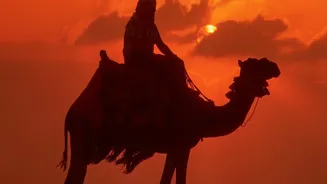
The official dates for the Pushkar Mela 2026 are November 17th to November 24th. The festival is not a uniform event and can be split into two distinct phases. The first few days, roughly from November 17th to 20th, are primarily focused on the livestock trade. This is the best time to see thousands of camels, horses, and cattle, and to photograph the traders and herders in the early morning light. The second phase, from November 21st to 24th, sees a shift towards cultural activities. This period is packed with events organised by Rajasthan Tourism, including folk performances, competitions, and exhibitions, culminating in the main religious observances on Kartik Purnima, the full moon night on November 24th.
Must-See Attractions and Events
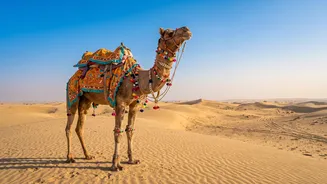
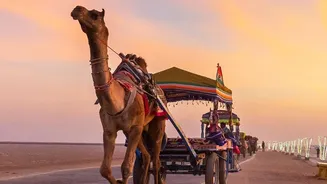
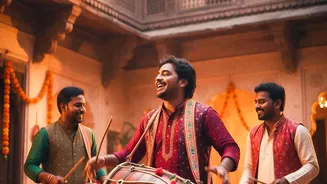
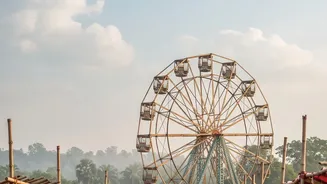
The Mela grounds are a whirlwind of activity. The main draw remains the camels, often beautifully decorated for competitions that judge their adornments and even their dancing skills. Other unique and highly photographed events include the 'longest moustache' competition, a 'matka phod' (pot-breaking) contest, and even a friendly 'locals vs. foreigners' football match. In the evenings, the atmosphere shifts towards the spiritual. The 52 ghats surrounding Pushkar Lake come alive with the Maha Aarti, where hundreds of oil lamps are floated on the water, creating a mesmerising spectacle. For a different perspective, hot-air balloon rides are often available at sunrise, offering a stunning aerial view of the entire fair.
Beyond the Fairgrounds: What to Do
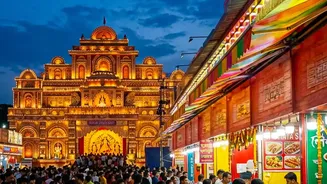
Beyond the main events, Pushkar offers a wealth of experiences. The town's narrow lanes transform into a sprawling bazaar, perfect for shopping for Rajasthani textiles, silver jewellery, and leather goods. Food is another highlight; be sure to try local specialities like dal baati churma, malpua, and kachori from the numerous stalls and cafes. A visit is incomplete without exploring the town's spiritual side. Pay a visit to the rare Jagatpita Brahma Temple and take a respectful stroll around the sacred lake. For a panoramic view of the entire spectacle, you can take the ropeway up to the Savitri Temple on a nearby hill, which is especially rewarding at sunrise or sunset.
Practical Tips for Your Visit
Reaching Pushkar requires some planning as the town does not have its own major airport or railway station. The nearest major transport hub is Ajmer, located about 14-15 km away, which is well-connected by rail to major cities like Delhi and Jaipur. From Ajmer, you can easily hire a taxi or take a local bus to Pushkar, a journey of about 30-40 minutes. Accommodation, from luxury tents to guesthouses, should be booked well in advance as prices rise significantly and rooms fill up fast during the Mela. When visiting, it is advisable to dress modestly out of respect for the town's holy status. Also, be prepared for crowds and dusty conditions, and always ask for permission before photographing people or their animals.