





The Urban Health Paradox
India's cities are engines of economic growth, but they are also becoming hotspots for a silent epidemic. Non-communicable diseases (NCDs) like diabetes, hypertension, and heart disease are rising at an alarming rate. Studies show that NCDs account for over
60% of all deaths in India, a significant increase from previous decades. This surge is strongly linked to the lifestyles fostered by urban environments: sedentary work, unhealthy diets, and chronic stress. The paradox is that as urbanisation brings opportunities, it also seems to be engineering a health crisis. The burden of these chronic diseases is now higher in urban areas than in rural ones, affecting the working-age population and threatening India's demographic dividend.
Designed for Inactivity
The very layout of many Indian cities discourages one of the most basic forms of healthy living: physical activity. Wide roads built for cars often lack safe, continuous footpaths for pedestrians. The fear of accidents, coupled with a lack of last-mile connectivity for public transport, makes walking or cycling an impractical or dangerous choice for many. This car-centric design forces a sedentary lifestyle. Instead of a brisk walk to the market or a bus stop, residents are pushed towards motorised transport for even short distances. This lack of everyday movement is a major contributor to the rising rates of obesity and related health issues seen across urban India.
The Urban Food Landscape
The choices we make about food are heavily influenced by what is available, affordable, and convenient. In many urban Indian neighbourhoods, residents find themselves in 'food swamps'—areas saturated with fast-food outlets and shops selling highly processed, unhealthy snacks. Conversely, accessing fresh, nutritious produce can be a challenge, creating what are known as 'food deserts'. While India's situation is different from that in Western countries, the principle remains: when unhealthy food is the easiest and cheapest option, it becomes the default choice, especially for those with time and budget constraints. This environment fuels the double burden of malnutrition, where undernutrition exists alongside rising obesity.
The Crucial Role of Green and Open Spaces
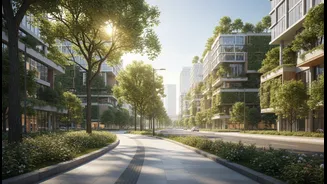
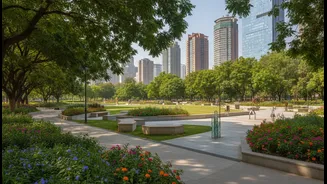
Beyond diet and exercise, our environment profoundly affects our mental well-being. Green spaces like parks, gardens, and even tree-lined streets play a vital role in reducing stress, anxiety, and depression—all of which are more prevalent in urban areas. These spaces provide opportunities for recreation, social interaction, and a connection with nature, which are crucial for mental and physical health. However, rapid, often unplanned urbanisation means these green lungs are shrinking, replaced by concrete. Research shows that even a small increase in green cover can lead to significant improvements in public health and a reduction in premature deaths, highlighting the urgent need to protect and expand these vital urban assets.
Building Healthier Cities by Design
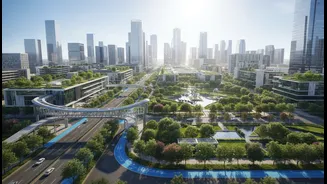
The good news is that these challenges are not insurmountable. The solution lies in shifting the focus from solely blaming individual choices to actively creating healthier environments. This involves 'health-sensitive' urban planning. Cities like Pune and Bengaluru have already begun implementing initiatives to promote walkability and cycling. Planners and policymakers are increasingly recognising the need for mixed-use development, where homes, offices, shops, and parks are integrated, reducing the need for long commutes. Creating and preserving green spaces, ensuring equitable access to fresh food, and building safe infrastructure for pedestrians and cyclists are not just urban development goals—they are critical public health interventions.