



The Science Behind the Spectacle
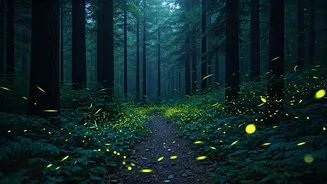
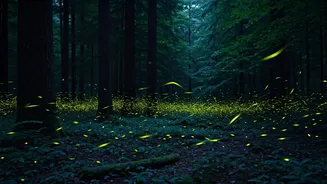
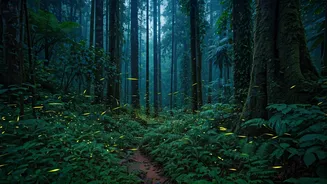
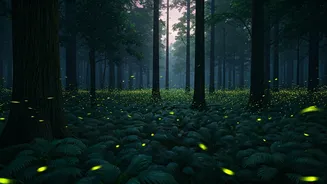
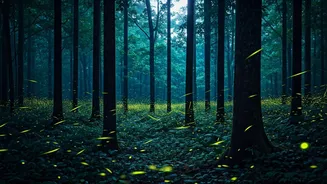
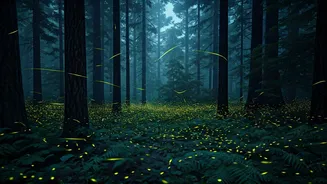
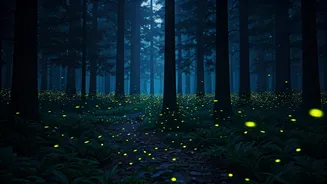
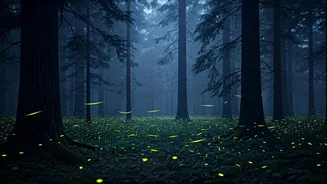
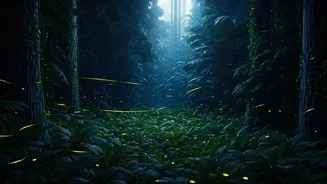
Before you lace up your boots, it’s worth knowing what you’re witnessing. The breathtaking display of fireflies, or kajwa in Marathi, isn't just for show. It's a complex and beautiful mating ritual. These winged beetles use bioluminescence—a chemical
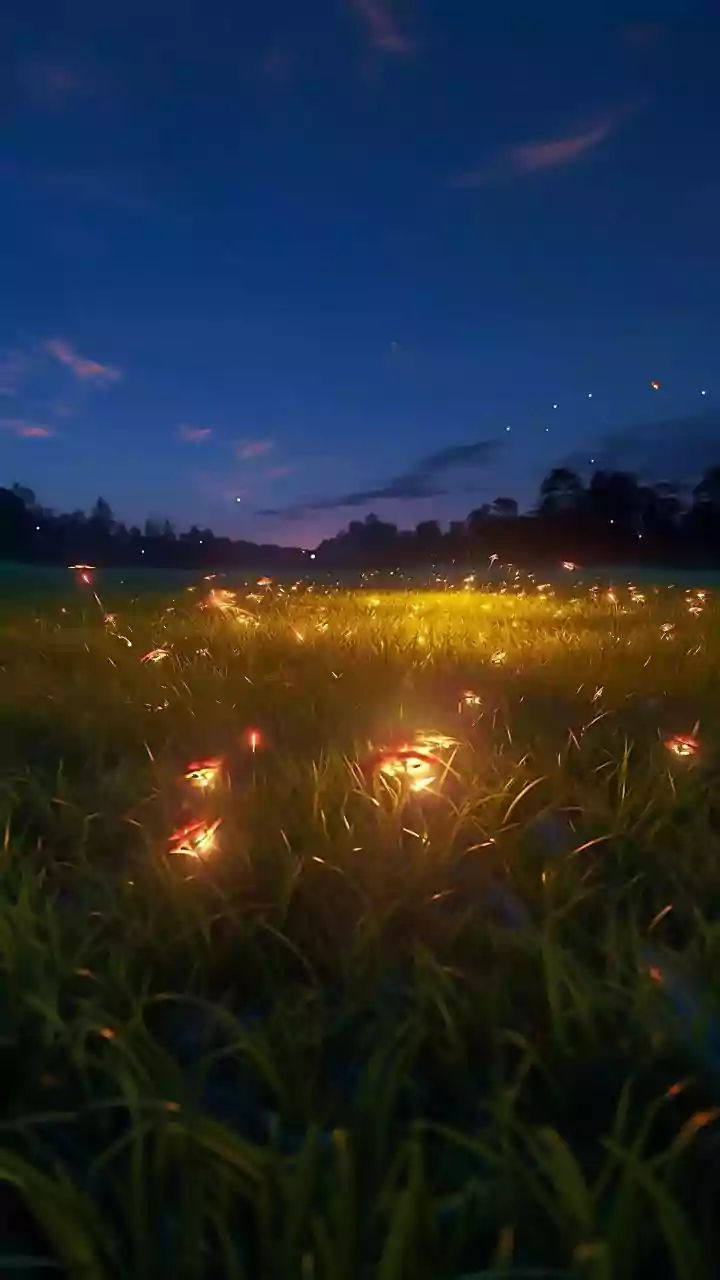
reaction in their lower abdomen—to communicate. Each species has a unique flashing pattern. Males fly around, flashing their light signals, hoping to attract a response from a female perched on a leaf or branch. When thousands of them synchronise their flashes, it creates a mesmerising, pulsating wave of light across the forest canopy. This natural phenomenon typically occurs during the pre-monsoon period, when the humidity is high and the air is thick with anticipation for the coming rains, providing the perfect conditions for the fireflies to breed.
Where to Witness the Magic
Maharashtra is the heartland of firefly treks in India, with several locations in the Western Ghats offering front-row seats to this light show.
Rajmachi Fort: A classic trek near Lonavala, the route to the fort's base village, Udhewadi, is famous for its dense firefly population. The trek is relatively easy and offers the dual reward of historical ruins and natural splendour.
Bhandardara: Nestled in the Sahyadris, this region is a hotspot. Areas around the Wilson Dam and Arthur Lake, including villages like Purushwadi, are renowned. Purushwadi even hosts a Firefly Festival, where local communities facilitate homestays and guided walks, offering an authentic rural experience.
Prabalmachi: Located between Panvel and Matheran, this plateau serves as the base camp for treks to Prabalgad and Kalavantin Durg. The forest trail leading to Prabalmachi is alive with fireflies during the season, making it a popular weekend getaway from Mumbai and Pune.
Planning Your Firefly Trek
Timing is everything. The firefly season is a short window, typically starting in mid-May and lasting until the first heavy monsoon showers arrive in mid-to-late June. The best viewing happens on dark, moonless nights.
Preparation is key for a safe and enjoyable night trek. Wear comfortable clothes and sturdy trekking shoes with good grip, as trails can be uneven. Carry a backpack with at least two litres of water, some snacks for energy, and a basic first-aid kit. While it’s a night trek, avoid using bright flashlights. If you must use one, cover the lens with red cellophane paper. Red light is less disruptive to the fireflies and helps preserve your night vision. Finally, pack insect repellent, as you'll be sharing the forest with other creatures too. Many trekking groups organise guided firefly treks, which are a great and safe option for beginners.
The Golden Rules of Responsible Viewing
This magical experience depends on a fragile ecosystem. To ensure future generations can also witness it, responsible tourism is non-negotiable.
Lights Off: The biggest threat to fireflies is light pollution. Avoid using bright torchlights, mobile phone screens, or camera flashes. These artificial lights confuse the fireflies, disrupt their mating signals, and can ruin the experience for everyone.
Sound Down: Loud music and excessive noise disturb the natural habitat. Speak in hushed tones and let the sounds of the forest be your soundtrack.
Hands Off: Never try to catch the fireflies. Touching them can cause injury, and collecting them in jars is a death sentence. Their lifespan is short, and their purpose is to reproduce. Let them complete their life cycle.
Leave No Trace: Carry all your waste, including food wrappers, back with you. Stick to the designated trails to avoid trampling on delicate flora and unseen fauna.