



Ziro Valley, Arunachal Pradesh
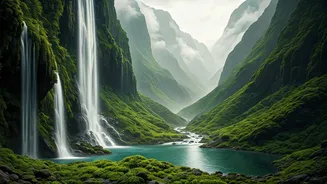
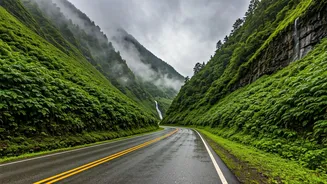
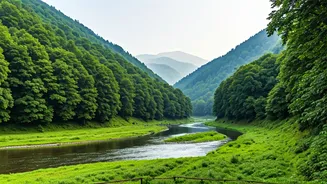
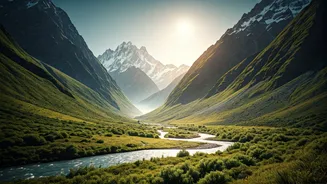
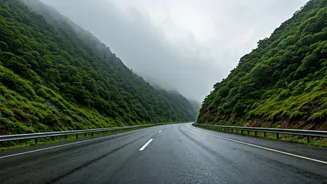
Often celebrated for its iconic music festival, Ziro Valley reveals a different, quieter magic during the monsoon. From July to September, the region transforms into a lush green paradise. The landscape of terraced rice paddies, managed by the Apatani
tribe, becomes a breathtaking carpet of vibrant green under the soft, misty rain. While heavy rainfall is common, it enhances the valley's beauty, making it a delight for nature lovers and photographers. However, visitors should be prepared for unpredictable weather and potential roadblocks due to landslides. Despite these challenges, the chance to experience the serene, rain-washed hills and the unique Apatani culture makes Ziro a compelling offbeat destination this season.
Tirthan Valley, Himachal Pradesh
While many tourists retreat from Himachal with the first rains, those in the know head to Tirthan Valley. Here, the monsoon isn't a bug; it's a feature. The valley, a gateway to the Great Himalayan National Park, becomes exceptionally beautiful as small streams turn into powerful waterfalls and the forests adopt their most vibrant shade of green. It’s a time of quiet stillness, with fewer crowds and a more relaxed pace. The air smells clean, and the sound of the roaring river is a constant companion. While the core monsoon months of July and August can bring heavy rain and landslide risks, the shoulder periods of late June and post-mid-August offer the perfect balance of monsoon beauty without the peak weather challenges. It’s ideal for those seeking riverside walks, cozy homestays, and a genuine escape from the hustle.
Araku Valley, Andhra Pradesh
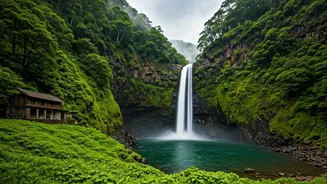
Nestled in the Eastern Ghats, Araku Valley’s main attractions are its lush greenery and stunning waterfalls, both of which are at their absolute peak during the monsoon. From June to September, the rain transforms the landscape, making the hillsides intensely verdant and the waterfalls, like Katiki and Tadimada, thunderously powerful. A train journey from Visakhapatnam during this time is especially scenic, passing through dozens of tunnels and bridges with views of misty valleys and gushing streams. While road conditions can deteriorate, they generally remain open, allowing access to the coffee plantations and tribal villages that define the region. For those who appreciate rain-washed scenery, Araku offers a unique South Indian monsoon experience, complete with its famous bamboo chicken.
Warwan Valley, Kashmir
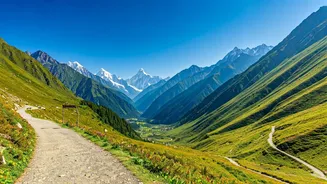
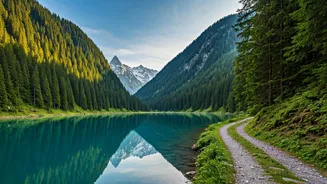
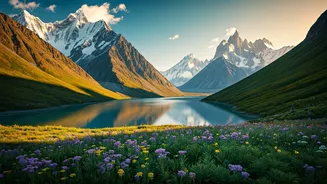
For the truly adventurous, Warwan Valley is Kashmir's best-kept secret. This remote, untouched valley offers a trekking experience unlike any other, transitioning from the arid landscapes of the Trans-Himalayan region near Panikhar to the lush greenery of Kashmir. The best time to trek here is from July to August, a period when many other Himalayan trails are inaccessible due to rains. The Pir Panjal range shields the valley from the heaviest monsoon clouds, resulting in pleasant weather with only occasional light rainfall. The trek is considered difficult, involving long daily walks, river crossings, and high-altitude passes, making it suitable for experienced trekkers. The reward is unparalleled beauty: vast meadows, glacial lakes, and an entry into a part of Kashmir that few have witnessed.
Dzukou Valley, Nagaland-Manipur Border
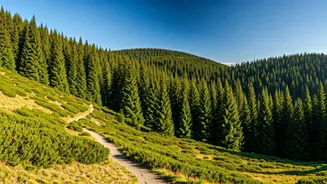
Tucked away on the border of Nagaland and Manipur, Dzukou Valley is a hidden gem that bursts into life during the monsoon. Known for its rolling hills covered in a unique species of dwarf bamboo, the valley floor becomes a carpet of vibrant wildflowers after the rains, including the rare Dzukou Lily. The monsoon months turn the landscape into a misty, ethereal dreamscape, perfect for trekkers seeking solitude and untouched natural beauty. The trek itself offers panoramic views and a peaceful escape far from the more crowded Himalayan routes. While the trails can be slippery, the reward is a tranquil experience in one of Northeast India’s most breathtakingly beautiful and lesser-known destinations.