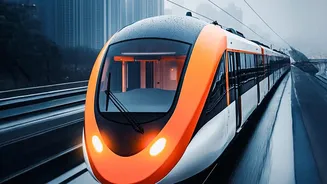




A deadly high-speed train collision in Spain on October 28 has cast a shadow over the world of high-speed rail. As India progresses with its own ambitious bullet train project, the incident raises a crucial question: What lessons can be learned?
What Happened in Spain?
On October
28, 2026, two high-speed trains collided near Urda, south of Madrid, resulting in 69 fatalities and many more injuries. A state-operated Renfe train crashed into a stationary train belonging to another operator, Iryo. The incident occurred on the Madrid-Seville line, a flagship route. Preliminary findings suggest a failure in the automatic safety communication system, followed by a human error in the control centre which then authorized the Renfe train to proceed on a track that was not clear. This was the second major accident on Spain's high-speed network in 2026, shaking public confidence in a system long considered a benchmark of efficiency and safety and leading to the resignation of the transport minister.
India's Shinkansen Shield
While the Spanish incident is concerning, a direct comparison with India’s Mumbai-Ahmedabad High-Speed Rail (MAHSR) project reveals fundamental differences. India is not just buying trains; it is importing an entire ecosystem—the Japanese Shinkansen technology. This system is legendary for its safety record: zero passenger fatalities resulting from collisions or derailments since it began operations in 1964, carrying over 10 billion passengers. This unblemished record is not a matter of luck but the result of a deeply integrated design philosophy built around accident prevention.
Technology and Control Systems
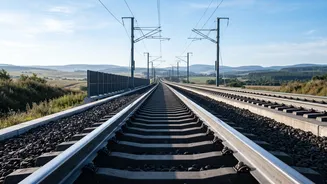
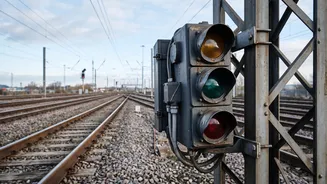
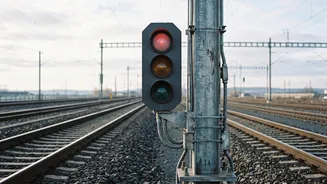
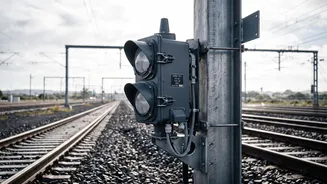
The core of the Shinkansen's safety is its Automatic Train Control (ATC) system. Unlike conventional systems that rely on trackside signals, the Shinkansen's ATC provides continuous in-cab signalling and control. The system automatically reduces speed or applies brakes if it detects a potential conflict, effectively removing the possibility of collisions due to human error, which appears to be a factor in the Spanish crash. The entire Shinkansen network operates on fully dedicated and isolated tracks, with no level crossings and no mixing with slower conventional or freight trains—eliminating many of the variables that cause accidents on other rail systems.
Built for Every Contingency
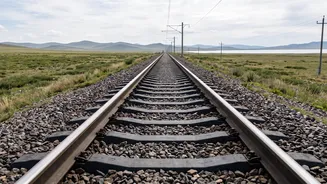
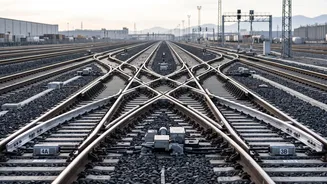
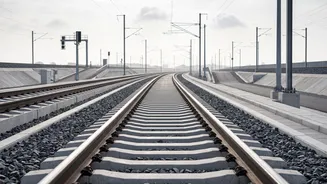
Beyond collision avoidance, the Shinkansen system incorporates a host of other safety features relevant to Indian operating conditions. These include advanced anemometers to monitor wind speed, a critical factor for trains moving at 320 kmph, and an early earthquake detection system that automatically stops trains before severe tremors hit. The Mumbai-Ahmedabad corridor will also feature advanced J-Slab ballastless track and special swing_nose crossings for switches, all designed for maximum stability and reliability at high speeds. This holistic approach treats the railway not as separate parts, but as one integrated safety machine.
The Lesson for India
The tragedy in Spain serves as a stark reminder that even mature and sophisticated highspeed rail networks are not infallible, particularly when human oversight and older systems intersect. It highlights the critical importance of rigorous maintenance, continuous system upgrades, and foolproof operational protocols. While India is wisely adopting the world's safest highspeed rail technology, the ultimate success of the bullet train project will depend on an unwavering commitment to these principles. The focus cannot just be on building the infrastructure, but on cultivating the same culture of meticulous safety and operational discipline that has made the Shinkansen a global icon of reliability. As India develops its own indigenous highspeed trains, ensuring seamless and safe integration with the Japanese system will be paramount.