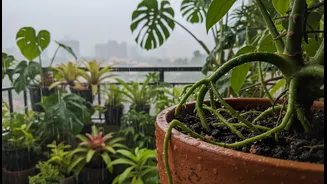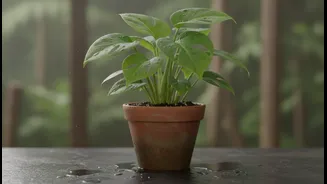



Why Monsoon Watering Is Different
During hot summer days, daily watering is often a necessity. But the monsoon season flips the script entirely. The air is thick with humidity, which means less water evaporates from both the soil and the plant's leaves. Coupled with overcast skies and reduced
sunlight, your plants' need for water plummets. Rain provides natural irrigation, but even on days without a downpour, the soil in your pots will stay moist for much longer than it does in other seasons. Sticking to a summer watering schedule is the fastest path to waterlogged soil, which suffocates roots and invites a host of problems like root rot. The key is to shift from a routine-based approach to an observation-based one.
Mastering the 'Wait and Check' Method
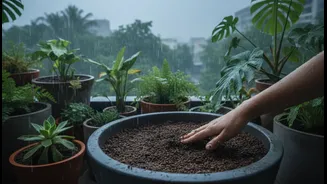
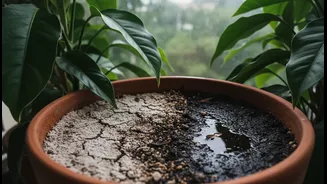
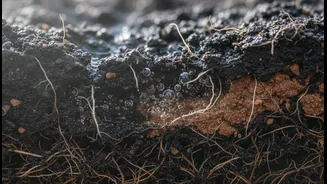
The core of monsoon plant care is abandoning the watering can until you are certain the plant is actually thirsty. This requires getting a little hands-on. There are three simple, reliable ways to check if your potted plant needs water. The first and most famous is the finger test: simply insert your finger about one to two inches into the soil. If the soil feels moist, hold off on watering. If it feels dry to the touch, it's time to give your plant a drink. A wooden stick or chopstick can do the same job without getting your fingers dirty; if it comes out clean and dry, the pot needs water. The second method is the lift test. A pot with dry soil is significantly lighter than one with wet soil. Get a feel for how heavy your pots are just after a thorough watering versus when they're dry. This gives you an intuitive sense of their needs. Finally, look at the soil itself. As soil dries, it tends to pull away from the sides of the pot and will look lighter in colour.
Spotting the Signs of Overwatering
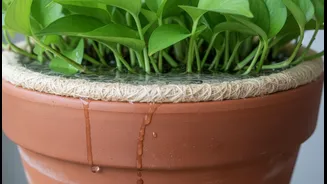
Sometimes, despite our best efforts, we can be too generous with water. It's crucial to recognise the signs of a plant in distress from too much moisture. Ironically, a common symptom of overwatering is wilting or drooping leaves, which can be confusing because it also happens when a plant is thirsty. However, with overwatering, the leaves will feel soft and limp, not dry and crispy. Another major red flag is yellowing leaves, particularly the lower ones. If leaves are turning yellow and the soil is damp, you're likely overwatering. Other tell-tale signs include mould or green algae on the soil's surface, a musty or sour smell from the pot indicating root rot, and even an increase in pests like fungus gnats that thrive in damp conditions.
Proactive Tips for Healthy Monsoon Roots
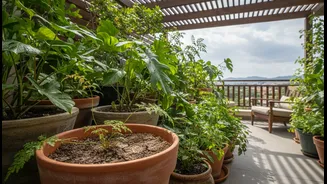
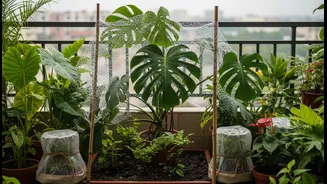
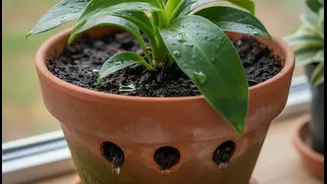
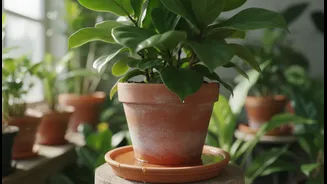
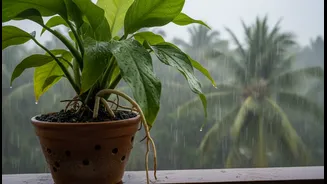
Prevention is always better than cure. To set your plants up for success, start with the pot itself. Ensure every container has adequate drainage holes so excess water can escape. If a pot is waterlogged, the first step is to check if the holes are blocked. Elevating pots on bricks or 'pot feet' can also improve drainage and airflow. Consider your potting mix; heavy garden soil can become compacted, while a lighter mix with additions like cocopeat or perlite promotes better drainage. During periods of extremely heavy rain, it might be wise to move more sensitive plants, like succulents, under a covered patio or porch to give you more control over their water intake. Finally, good airflow between plants can help reduce humidity and discourage fungal diseases, so avoid crowding your pots too closely together.