





The Ultimate Packing Game-Changer
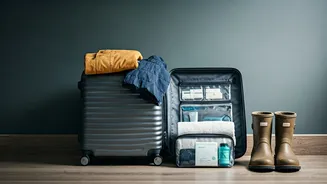
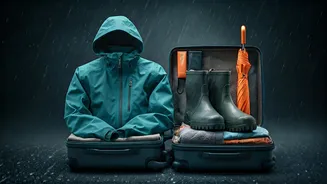
Monsoon travel requires a specific kind of preparedness. You need your sturdy raincoat, an extra pair of shoes that can handle puddles, and perhaps a few more changes of clothes than usual. The problem? All these items are bulky and quickly eat up precious
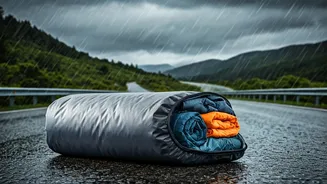
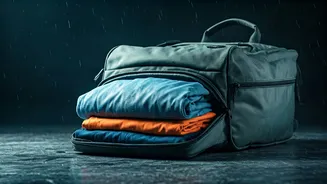
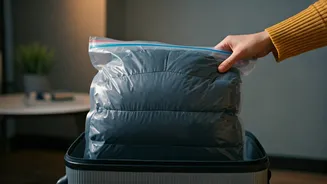
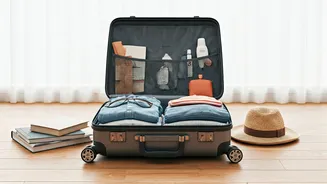
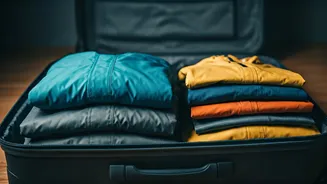
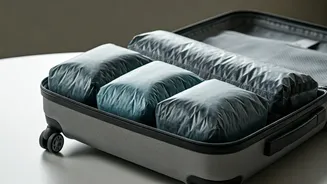
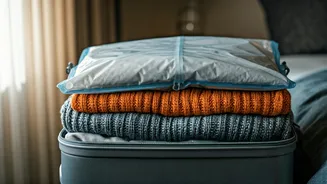
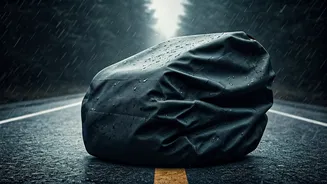
luggage space. This is where vacuum seal compression sacks enter the picture. These aren't your average packing cubes. They are heavy-duty plastic bags with a one-way valve that allows you to suck all the air out, compressing bulky textiles like jackets, sweaters, and towels down to a fraction of their original size. Suddenly, that puffy raincoat fits neatly in a corner of your suitcase, leaving ample room for everything else you need.
Your Best Defence Against Dampness
Anyone who has travelled during the Indian monsoon knows that humidity is the real enemy. It seeps into everything, leaving clean clothes feeling slightly damp and smelling musty before you’ve even worn them. A compression sack is more than a space-saver; it’s a personal, portable fortress against moisture. By removing the air and creating an airtight seal, you are effectively locking out the humid environment. Your clothes remain bone-dry, fresh, and ready to wear, no matter how damp your hotel room feels or how long your journey is. It's the difference between opening your suitcase to a pleasant, clean scent versus the familiar, unwelcome smell of mildew.
Mastering the Wet-Dry Separation
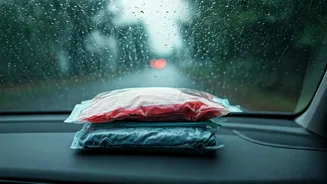
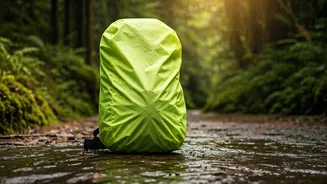
You get caught in a sudden downpour—it’s inevitable. Now you have a drenched set of clothes, a soaked towel, or a dripping umbrella. Throwing them into your main bag is a recipe for disaster, as the moisture will contaminate everything else. This is another area where compression sacks are invaluable. Keep one or two empty sacks handy specifically for this purpose. They act as a perfect quarantine zone for wet items. Seal your damp clothes inside, and they are completely isolated from your dry belongings. Your electronics, books, and fresh clothes are safe, and you can deal with the wet items when you reach your destination without having to worry about collateral damage.
How to Choose and Use Them
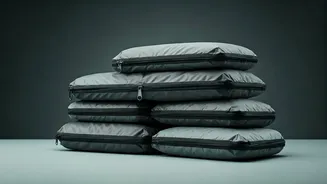
Not all compression sacks are created equal. For travel, the most convenient are the 'roll-up' types, which don't require a vacuum cleaner. You simply place your items inside, seal the top, and roll the bag tightly from the bottom to force the air out through the one-way valve. They are reusable and perfect for life on the road. For maximum compression at home before you leave, you can use the types that come with a small, portable hand pump or are compatible with a standard vacuum nozzle. Look for bags made from thick, durable plastic to prevent punctures. It's also wise to pack a variety of sizes—large ones for jackets and towels, and smaller ones for t-shirts and other clothing.
More Than Just Clothes
The utility of these sacks extends beyond your wardrobe. Use a small one to protect your essential electronics—like a power bank, charging cables, and even a small camera—from ambient moisture. They are also fantastic for creating a waterproof barrier for important travel documents like your passport and tickets. Heading to the beach on a rainy day? You can even use them to keep snacks like chips and biscuits from getting soft in the humid air. Think of them as an all-purpose organisational and protective tool that streamlines every aspect of your packing, making you a smarter, more efficient traveller.