






The ‘Energy Vitamin’ Explained
Vitamin B12, also known as cobalamin, is a crucial nutrient that your body cannot produce on its own. It plays a vital role in several fundamental processes, including the formation of healthy red blood cells, the proper functioning of your brain and
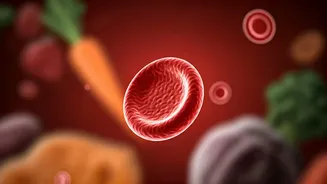
nervous system, and the creation of DNA. When your B12 levels are adequate, your body can efficiently produce red blood cells that carry oxygen to every part of your body. This process is essential for energy production. A shortfall can lead to a condition called megaloblastic anemia, where the body produces large, abnormal red blood cells that cannot function correctly, leading to feelings of tiredness and weakness.
Why Vegetarians Are at Higher Risk
The primary challenge for vegetarians is that Vitamin B12 is found almost exclusively in animal-based products. Foods like meat, fish, poultry, eggs, and dairy are the main natural sources. While lacto-vegetarians can get B12 from milk, cheese, and yogurt, the amounts may still fall short, and for vegans, who consume no animal products, the risk of deficiency is significantly higher. Plant-based foods do not naturally contain B12 unless they are fortified. Over time, because the body can store B12 for several years, a deficiency can develop gradually and silently, until symptoms like persistent fatigue begin to appear.
Spotting the Signs of a Deficiency
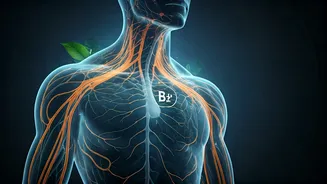
The “energy crash” mentioned in the headline is the most commonly reported symptom of a B12 deficiency. It’s a profound and persistent fatigue that doesn’t improve with rest. But it’s not the only sign. Other physical symptoms can include pale or slightly yellowed skin, a sore tongue or mouth ulcers, shortness of breath, and feeling faint or dizzy. Because B12 is essential for nerve health, a deficiency can also cause neurological symptoms like a pins-and-needles sensation in the hands and feet, problems with balance, confusion, and memory issues. These signs can develop slowly and may be mistaken for other conditions, so it's important to be aware of the full picture.
Boosting B12 Through Your Diet
For vegetarians, particularly those in India, dairy products are a reliable source. A glass of milk, a serving of curd (yogurt), or paneer can contribute significantly to your daily B12 needs. One cup of yogurt, for instance, can provide a substantial portion of the recommended daily intake. However, relying on dairy alone may not be enough. This is where fortified foods become essential. Many breakfast cereals, plant-based milks (like soy, almond, or oat milk), and some breads are now fortified with B12. Another popular option is nutritional yeast, which has a cheesy, nutty flavour and is often fortified with B12, making it a great addition to various dishes.
When to Consider Supplementation
If dietary changes aren't enough or if you are experiencing clear symptoms of a deficiency, supplementation is a safe and effective solution. The recommended daily amount for adults is around 2.4 micrograms (mcg), but supplements often come in much higher doses, like 500 mcg or 1,000 mcg, because the body only absorbs a small fraction of it. These higher doses are considered safe. Supplements are available in several forms, including pills, sublingual (under-the-tongue) tablets, and sprays. For severe deficiencies or cases where absorption is a problem, a doctor might recommend B12 injections for a more rapid recovery.