





The Allure of a Royal Past
There's an undeniable romance to the idea of using beauty formulations once reserved for royalty. In India, this narrative taps into a deep cultural pride, celebrating a time-honoured system of wellness and beauty that is inherently our own. For centuries,
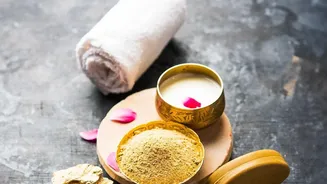
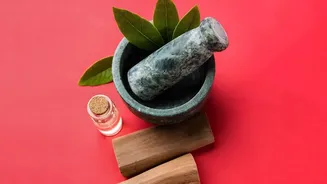
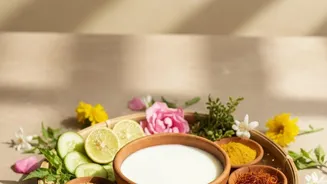
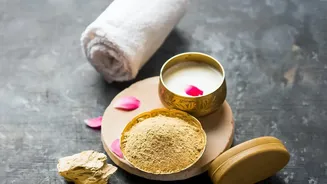
Indian queens and noblewomen did rely on elaborate rituals or 'snana' using ingredients like turmeric, sandalwood, and rosewater. These practices were rooted in Ayurveda, the 5,000-year-old 'science of life' that views beauty not as a superficial pursuit, but as a reflection of inner health. Brands today masterfully invoke this history, suggesting that a bottle of their product offers a direct link to this opulent and wise past. This story is powerful because it suggests authenticity, tradition, and a level of quality fit for a queen.
Claim: Ancient Royal Formulas Are in Modern Jars
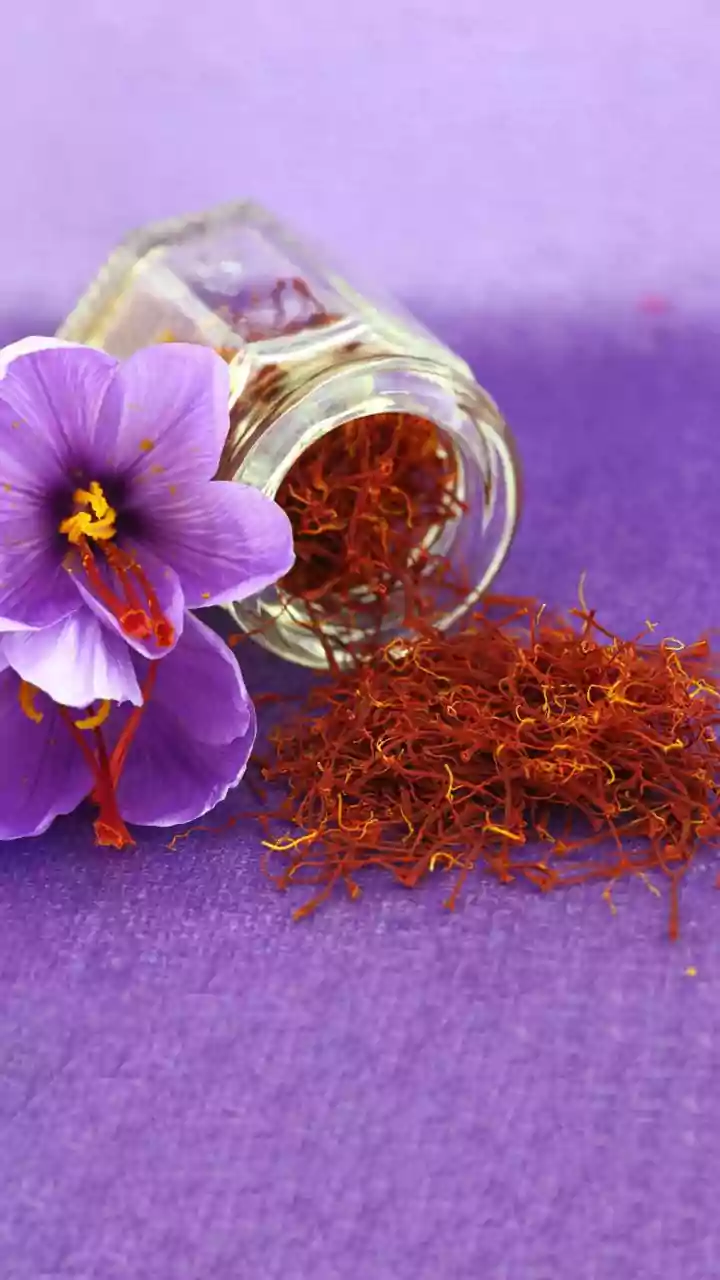
This is where the line between inspiration and direct replication blurs. While many brands are deeply inspired by Ayurvedic traditions, it's unlikely that the exact, centuries-old recipe used by a specific queen is what you're buying today. Historical formulations were often made fresh for immediate use and were not designed for a long shelf life. Modern products, even those from heritage-focused brands, must be adapted for mass production, stability, and safety according to contemporary standards. Brands may use key 'hero' ingredients mentioned in Ayurvedic texts, such as saffron or lotus, but the base and preservative systems are almost always modernised. So, while the spirit of the ancient recipe is there, the product itself is a 21st-century creation.
Truth: Ayurveda Was a Holistic Royal Lifestyle
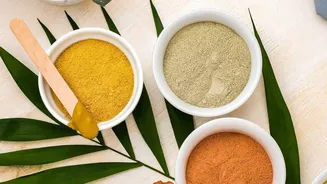
The real secret of royal beauty wasn't just a single product, but a holistic lifestyle guided by Ayurvedic principles. Ayurveda defines three pillars of beauty: outer radiance (Roopam), inner purity (Gunam), and lasting youthfulness (Vayastyag). This meant that a queen’s regimen included a customised diet of fresh, seasonal foods, adequate hydration, stress management through practices like yoga and meditation, and daily routines (dinacharya) to balance the body's energies, or doshas. Topical applications like 'ubtans' (pastes of flour, turmeric, and sandalwood) and oil massages ('abhyanga') were just one part of a comprehensive approach to well-being. The legacy, therefore, isn't a magic cream but a philosophy of total-body wellness.
Claim: 'Ayurvedic' on the Label Guarantees Purity
The term 'Ayurvedic' has become a significant marketing buzzword in the beauty industry, but it is not always a regulated guarantee of purity or authenticity. The booming market for herbal and Ayurvedic products means that many brands use the label, but the quality can vary dramatically. Some products may only contain a minuscule amount of a traditional herb, with the bulk of the formula being synthetic fillers, fragrances, or harsh chemicals. It's crucial for consumers to look beyond the front of the bottle and scrutinise the full ingredient list. The rise of counterfeit beauty products, which can contain harmful substances, further complicates things. True Ayurvedic brands often pride themselves on transparency and clean formulations, but the onus is on the buyer to be discerning.
Truth: Traditional Ingredients Have Proven Benefits
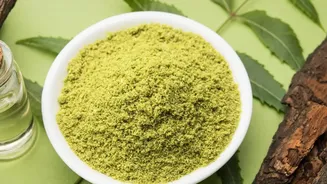
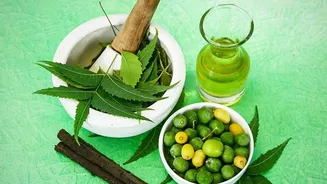
The enduring power of these royal rituals comes from the efficacy of the ingredients themselves. Modern science is increasingly validating what Ayurveda has known for centuries. Saffron, often called 'red gold' and historically linked to royalty, is rich in antioxidants that brighten skin and reduce pigmentation. Sandalwood has cooling and anti-inflammatory properties ideal for calming irritated skin. Turmeric is a potent anti-inflammatory and antibacterial agent, effective against acne. Ingredients like Amla, Mulethi, and oils like Kumkumadi Tailam all have tangible benefits that are now backed by research, confirming they do more than just tell a good story. Their effectiveness is the true, provable legacy.