



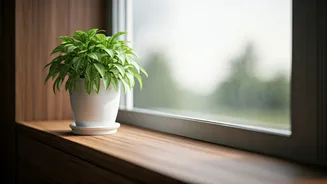




Prioritise Ventilation and Airflow
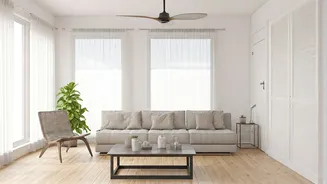
Stagnant, humid air is the primary cause of dampness inside the home. Improving ventilation is your first line of defence. Whenever it is not raining heavily, open windows and doors on opposite sides of your home to create cross-ventilation. This simple
act flushes out moist indoor air and allows fresh, drier air to circulate. Using ceiling fans also helps evaporate excess moisture. In rooms that are prone to dampness like bathrooms and kitchens, be diligent about using exhaust fans, especially after showering or while cooking, to expel steam immediately.
Protect Your Wooden Furniture
Wood is particularly vulnerable during the monsoon, as it absorbs moisture from the air, which can cause it to swell, warp, or develop fungus. A crucial step is to create space. Move all your wooden furniture, including beds and wardrobes, at least a few inches away from walls. Walls can seep moisture, and direct contact allows the furniture to absorb it. Before the season starts, applying a coat of wax or a waterproof polish provides a protective barrier. For the insides of cupboards and drawers, which can trap musty smells, traditional remedies work wonders. Place camphor balls, neem leaves, or silica gel sachets inside to absorb moisture and deter pests.
Safeguard Walls and Wardrobes
The tell-tale signs of monsoon on walls are peeling paint and the unwelcome appearance of black mould patches. These are not just unsightly but can also trigger allergies. To combat this, you can use a homemade solution of white vinegar and water, sprayed lightly on affected areas, to tackle fungal growth. For wardrobes, damp clothes are the main culprit for mildew. Ensure clothes are completely dry before storing them, and avoid packing them too tightly to allow air to circulate. Never store clothes in plastic bags, which trap moisture; opt for breathable cotton bags instead. Regularly airing out cupboards on a sunny day can also make a significant difference.
Care for Carpets and Upholstery
Carpets and fabric sofas act like sponges for humidity, leading to musty odours and potential mould growth. The most practical solution is to roll up expensive carpets and store them in a dry place for the season. You can replace them with bamboo or plastic mats, which do not retain moisture. For upholstery, frequent vacuuming helps remove dust and dampness. If you have slipcovers, using cotton ones can protect the sofa from direct exposure to moisture. On less humid days, take cushions and pillows outside for some sun exposure, which is a natural and effective way to kill mould spores and eliminate odours.
Embrace Natural Dehumidifiers
While electric dehumidifiers are highly effective, you can achieve great results with natural, low-cost alternatives. Placing bowls of coarse salt or activated charcoal in damp corners, cupboards, or bathrooms can help absorb excess moisture from the air. These need to be replaced every couple of weeks to remain effective. Some houseplants are also known to absorb humidity from the air; consider placing a peace lily or parlor palm in your home. For a fresh scent that also combats damp smells, a small bowl of coffee grounds can be surprisingly effective in enclosed spaces.
Ensure Electrical Safety
Moisture and electricity are a dangerous combination. Before the monsoon begins, it is wise to have an electrician inspect your home's wiring for any wear and tear. Avoid touching switches or appliances with wet hands, and unplug non-essential electronics like TVs and computers during heavy thunderstorms to protect them from power surges. Ensure that any outdoor electrical outlets are weatherproof. It is also a good practice to elevate appliances like refrigerators and washing machines, especially in areas prone to waterlogging, to prevent water from entering their internal circuits.