




An Offering of Devotion and Joy
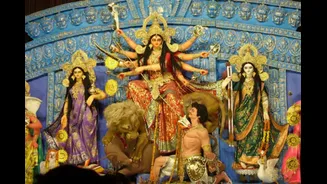
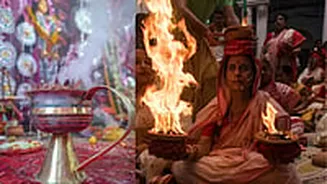
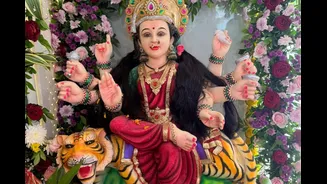
During Durga Puja, sweets, or 'mishti', are more than just a culinary indulgence; they are an integral part of the worship itself. Sweets are offered to Goddess Durga as 'bhog' or 'prasad', a symbol of devotion, gratitude, and reverence. This act of offering
is believed to please the deity and bring blessings to the devotees. The tradition is rooted in the belief that the 'madhura rasa' (sweet taste) is auspicious and helps invoke harmony. After being blessed, this prasad is distributed among the community, transforming a simple sweet into a shared symbol of divine blessing and togetherness. This spiritual significance is a primary reason why traditional sweets, made with pure ingredients like ghee and milk, are favoured over modern confections.
A Bite of Nostalgia and Homecoming
For Bengalis, Durga Puja is intrinsically linked with a feeling of homecoming, and food is central to that emotion. The sweets associated with the festival are steeped in nostalgia, evoking cherished memories of childhood, family gatherings, and the comforting familiarity of home. The taste of a 'narkel naru' (coconut laddoo) or a simple 'sandesh' can transport someone back to their grandmother's kitchen, where these treats were lovingly prepared. This deep emotional connection is something that mass-produced chocolates or trendy fusion desserts cannot replicate. Pandals become arenas where these memories are relived and shared, and indulging in these specific sweets is a way of participating in a collective, cultural experience that spans generations.
The Heartbeat of the Pandal Experience
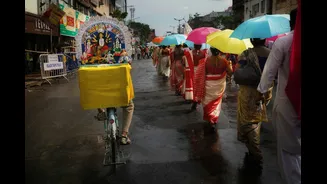
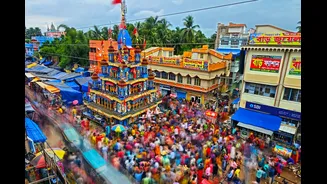
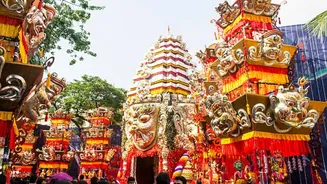
Durga Puja pandals are not just places of worship; they are bustling hubs of social and cultural activity. The food stalls are a quintessential part of this experience, offering everything from savoury snacks like 'phuchka' and kathi rolls to a dazzling array of sweets. Here, local sweet makers and vendors find a thriving marketplace. This ecosystem supports small, often family-run businesses that have perfected their recipes over decades. Choosing a traditional sweet from a pandal stall is also a vote for this local economy and the preservation of culinary heritage. The vibrant, chaotic, and joyous atmosphere of pandal-hopping is incomplete without stopping for a hot 'jalebi' or a delectable 'rosogolla'.
The Undisputed Stars of the Season
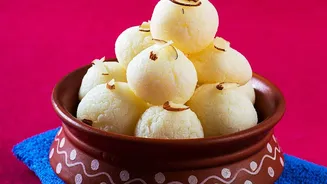
While the variety is endless, a few sweets are synonymous with Durga Puja. 'Sandesh', a delicate sweet made from fresh cottage cheese (chhena), is perhaps the queen of them all, appearing in various forms like the prized 'nolen gurer sandesh' made with date palm jaggery. 'Rosogolla', the spongy, syrup-soaked icon, is a must-have offering and treat. 'Mishti doi', or sweet yogurt, provides a creamy, cooling contrast to richer dishes. Sweets made at home also play a huge role, with 'narkel naru' (coconut laddoos) and 'payesh' (rice kheer) being festival staples that symbolise prosperity and togetherness. Other favourites often found at pandals include 'lobongo lotika', 'chenna jalebi', and 'kheer kadam', each with its unique texture and flavour profile.
Authenticity Trumps the Trend
In an age of global food trends and fusion cuisine, the enduring popularity of regional sweets is remarkable. While modern sweet shops experiment with new-age mithai and gift hampers become more elaborate, the core of festive consumption remains traditional. During Durga Puja, the craving is for authenticity. The flavours are not just about taste but about cultural identity. A chocolate barfi may be delicious, but it doesn't carry the same cultural weight as a 'chandrapuli', a sweet made from coconut that evokes the sights and sounds of a Pujo morning. The preference for these time-honoured recipes highlights a collective desire to hold onto and celebrate a rich heritage, ensuring that the true sweetness of the festival is preserved for years to come.