








Why The 'Perfect' Plan Fails
We’ve all been there: a freshly printed meal plan, a fridge full of specific ingredients, and a surge of motivation. But by Wednesday, a surprise dinner invitation or a sudden craving for something not on the list makes the whole structure crumble. This
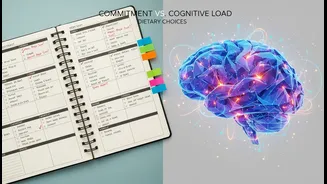
is the rigidity trap. Research shows that a strict, all-or-nothing approach to eating is consistently linked with failure. When a plan has no room for error, a single deviation can trigger the "what-the-hell effect," leading you to abandon the plan altogether. Flexible planning, however, is associated with more successful weight management and a healthier relationship with food because it removes the pressure of perfection. It’s about consistency, not flawlessness.
The Foundation: Plan by Category, Not by Recipe
A truly flexible plan starts by thinking in categories instead of specific, unchangeable recipes. Instead of planning for "Grilled Salmon with Asparagus and Quinoa," think in terms of "Protein + Vegetable + Whole Grain." This simple shift in mindset opens up a world of possibilities. It empowers you to make choices based on what you already have, what’s on sale at the store, and what you genuinely feel like eating. It also reduces food waste because you’re trained to see your pantry ingredients as versatile components rather than items for one specific dish.
Building Your Substitution Matrix
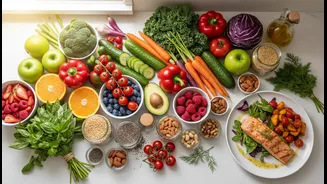
Making smart swaps is the engine of a flexible meal plan. The key is to substitute ingredients with similar nutritional profiles. For proteins, you can swap chicken for fish, ground turkey for lean ground beef, or lentils for black beans. For carbohydrates, if a recipe calls for white rice, you can use brown rice, quinoa, farro, or whole-wheat pasta for more fiber and nutrients. Vegetables are incredibly versatile. If a recipe needs spinach but you have kale, use the kale. If broccoli is on sale, you can use it in place of more expensive green beans. This approach not only adds variety but also saves money by allowing you to take advantage of seasonal produce and weekly grocery specials.
Honoring Your Personal Preferences
A meal plan you don't enjoy is a meal plan you won't follow. It’s crucial to incorporate foods you and your family genuinely love. This is especially true when dealing with picky eaters. One of the most effective strategies is to plan deconstructed or customizable meals. Think of taco nights, baked potato bars, or rice bowls where everyone can choose their own toppings. This gives individuals a sense of control and ensures there's something on the plate for everyone without you having to cook multiple separate meals. It also gently introduces new foods alongside familiar favorites, which can help expand palates over time.
A Simple Weekly Workflow
Putting this into practice can be simple. First, take inventory of your pantry, fridge, and freezer to see what needs to be used up. Next, scan the weekly grocery ads for sales on proteins and seasonal produce. Then, sketch out a loose plan for a few dinners, noting the category (e.g., "Chicken + Roasted Veggies") rather than a rigid recipe. When you build your grocery list, include options. For example, write "Chicken or Fish" and "Broccoli or Cauliflower." This gives you the freedom to make the final decision at the store based on what looks freshest and offers the best value. Finally, don't over-plan; leaving a day or two free for leftovers or spontaneous meals is a key part of sustainable planning.