







From Motion to Meaning
Slow travel is less about the speed of your journey and more about your mindset. It's an intentional shift away from the ‘seven cities in ten days’ approach, towards staying longer in fewer places to forge a deeper connection with the local culture, food,
and environment. The concept, born from Italy's Slow Food movement in the 1980s, champions depth over distance. For travellers in India, this means swapping a highlights reel for a truly immersive experience — think lingering over conversations in a village homestay, learning a local craft, or simply watching the light change across a valley. It’s about returning from a trip with stories, not just photos.
A Post-Pandemic Priority Shift
The boom in slow travel is no accident; it's a direct response to a world that feels faster and more demanding than ever. The post-pandemic landscape, in particular, has accelerated this trend. Widespread workplace burnout has left many Indians craving genuine disconnection and mental resets, not more exhaustion. Data shows a significant percentage of travellers now actively seek quieter destinations and prioritise nature-based trips over crowded tourist traps. This collective desire for more sustainable and mindful experiences has moved slow travel from a niche interest to a mainstream movement, fundamentally changing how people want to explore their own country.
Misty Mountains and Serene Backwaters
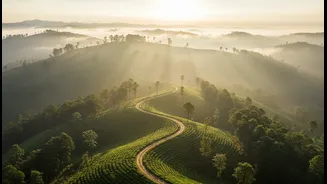
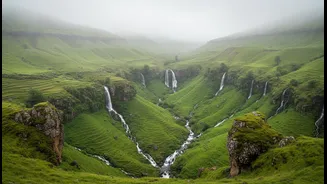
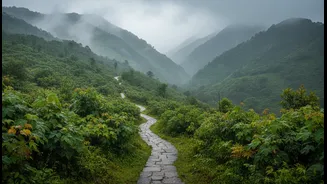
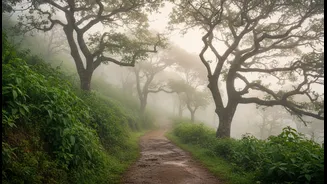
The headline's promise of 'nature and mist' points to the specific landscapes captivating slow travellers. Destinations that offer atmosphere and tranquility are seeing a surge in interest. The misty hills of the Western Ghats, including Coorg, Wayanad, and Munnar, are prime examples. Here, the goal is not to rush between viewpoints but to soak in the environment, perhaps by staying on a coffee plantation or exploring quiet trails. Similarly, the Himalayan states of Uttarakhand and Himachal Pradesh offer havens like Tirthan Valley, Shoja, and Landour, where the pace is set by nature itself. From the backwaters of Alleppey to the serene river island of Majuli in Assam, travellers are choosing destinations where the journey itself is the main event.
The Heart of the Experience: Local Culture
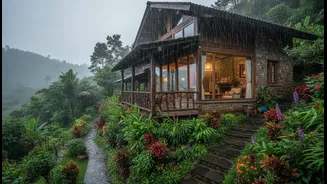
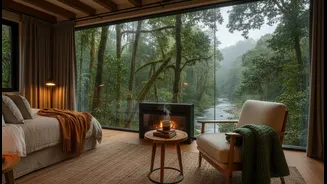
The true essence of slow travel lies in its emphasis on local culture, and homestays are the gateway to this world. Searches for homestays and villas have surged as travellers seek authentic accommodation over standardized hotels. Staying with a local family provides an unparalleled opportunity to understand a place from the inside out. It turns a vacation into a cultural exchange, where you can share home-cooked meals, learn about regional traditions, and gain insights that guidebooks never provide. This approach not only enriches the traveller's experience but also directly supports the local economy, ensuring that tourist spending benefits the communities being visited.