





Beyond a Simple Lack of Rain
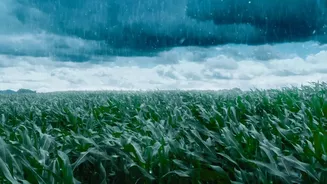
When we think of climate threats to forests, drought is often the first thing that comes to mind. However, scientists are increasingly focused on a more subtle and complex challenge: rainfall variability. This isn't just about whether the total annual
rainfall decreases. It’s about how that rain arrives. Is it spread out evenly, or does it come in short, destructive bursts separated by long dry spells? Studies show that even if the total volume of rain remains the same, increased variability can create immense stress. A recent study in central India, for instance, noted an increase in extreme rainfall events over the past five decades, which can alter the ecosystem's balance. This variability affects everything from soil moisture to the life cycles of trees.
A Tale of Two Forests
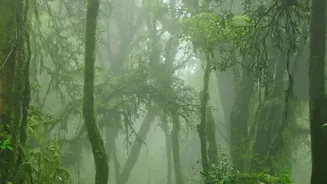
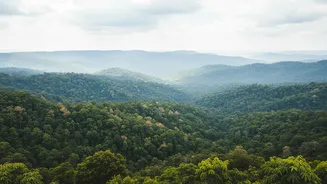
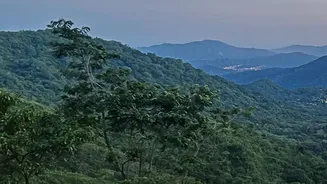
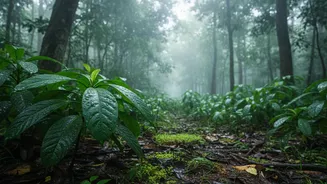
India’s forests are not a monolith; they range from moist evergreen stretches in the Western Ghats to dry deciduous forests in the central plains. Research indicates these different forest types will respond differently to rainfall changes. One might assume that dry forests are naturally more resilient to water stress. However, studies suggest they function closer to their moisture-stress limits, making them highly vulnerable to longer droughts or rising temperatures. A study on the Panchmarhi Biosphere Reserve found that dry teak forests saw the steepest decline in canopy cover, partly driven by shifting precipitation. Conversely, forests accustomed to consistent, high rainfall can be surprisingly fragile. When their predictable water supply is disrupted, the entire ecosystem can be destabilised, potentially shifting towards a more savanna-like state with less tree cover.
The Life of a Tree Under Stress
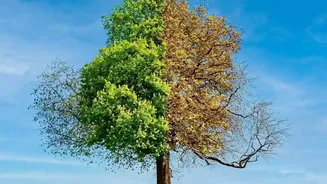
For an individual tree, unpredictable rainfall is a fundamental threat. Long dry spells can lead to hydraulic failure, a condition where the tree's internal plumbing for transporting water from roots to leaves breaks down. This can stunt growth and, eventually, lead to death. The changing patterns also disrupt phenology—the timing of natural events like flowering, fruiting, and leaf-fall. A study in Gujarat found that dozens of tree species have already altered their flowering and fruiting times due to changes in temperature and precipitation over recent decades. These shifts might seem small, but they can have cascading consequences, desynchronizing the relationship between plants and the pollinators and seed dispersers that depend on them, affecting forest regeneration and overall biodiversity.
The Ripple Effect Beyond the Forest
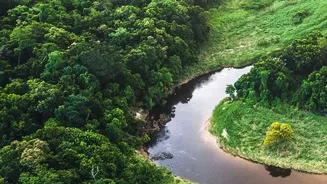
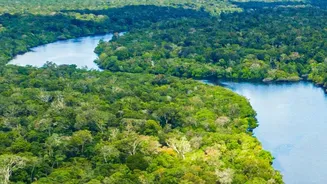
The health of India’s forests has implications far beyond their boundaries. They are crucial carbon sinks, and their degradation could accelerate climate change. They also act as giant sponges, regulating the flow of water into many of the nation's most important rivers. A change in forest structure could therefore impact water security for millions downstream. Furthermore, countless forest-dependent communities, including many Adivasi populations, rely on these ecosystems for their livelihoods, sourcing everything from food and medicine to fuelwood. As the composition of forests changes, with some species declining and others dominating, the availability of these essential resources could be threatened, creating significant socio-economic challenges.
From Research to Resilience
This growing body of research is not just a warning; it is a vital tool for action. Understanding which areas are most vulnerable and how different species respond to stress is critical for developing effective conservation and management strategies. Experts suggest that future forestation and restoration projects must be climate-resilient, prioritising native tree species that show greater tolerance to drought and temperature stress. Management policies need to move away from a one-size-fits-all approach and become more adaptable and region-specific. Protecting and enhancing biodiversity within forests is also key, as more diverse ecosystems are generally more resilient to shocks.