




Peering Through the Cosmic Veil
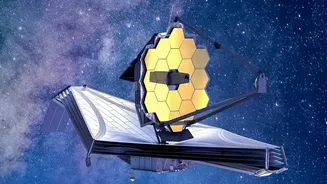
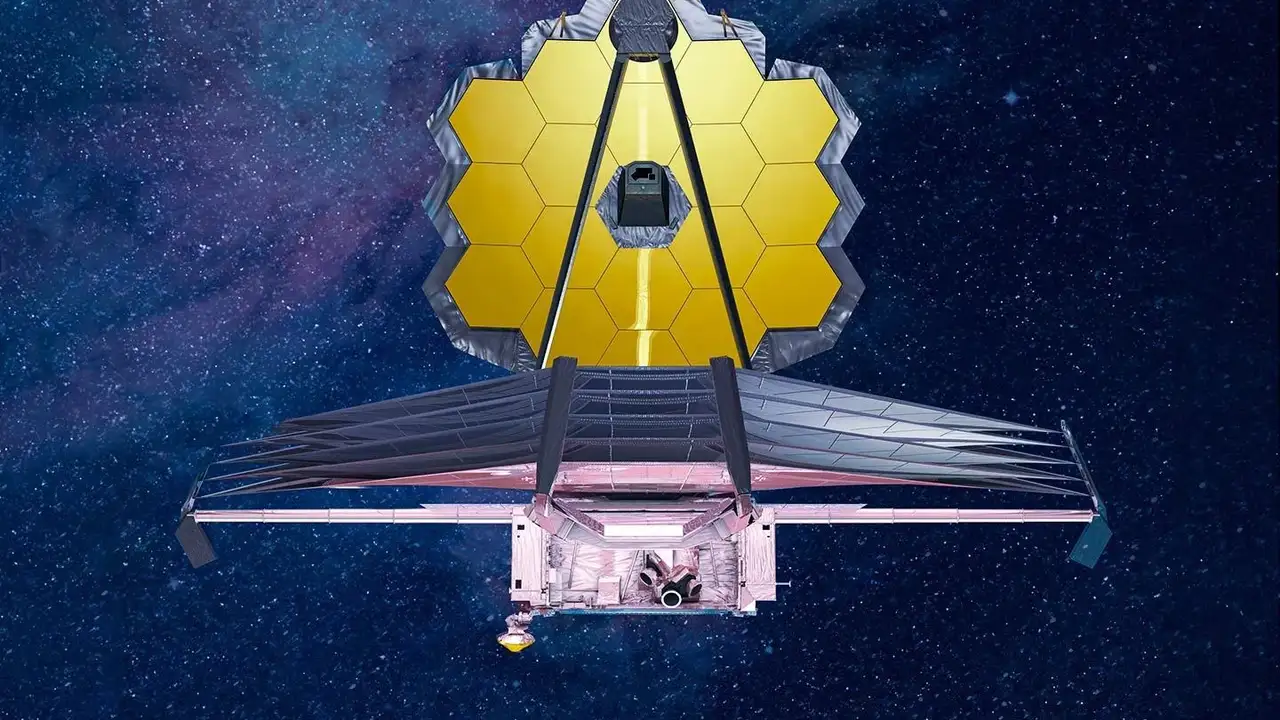
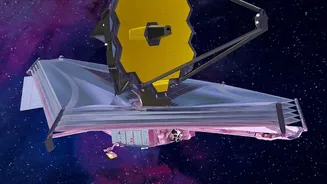
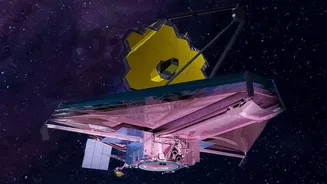
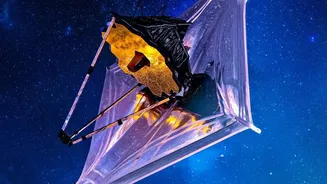
Stellar nurseries, also known as molecular clouds, are enormous regions of cold gas and dense dust. This dust acts like a thick fog, blocking visible light and hiding the processes of star formation from conventional telescopes. This is where the James
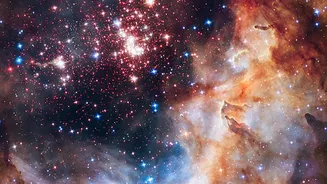
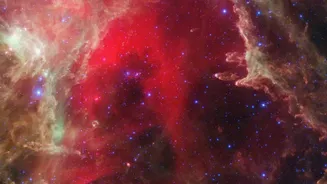
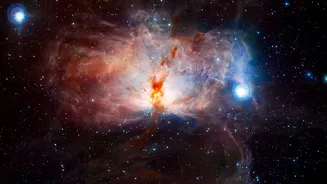
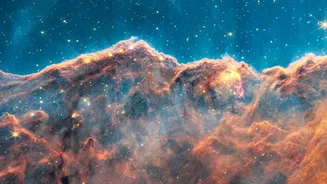
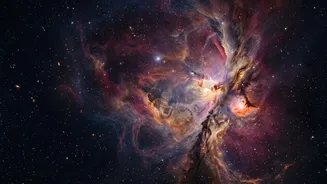
Webb Space Telescope's genius lies. By observing in infrared light, Webb can penetrate these obscuring layers, much like an X-ray sees through skin. This ability allows astronomers to witness the very earliest stages of a star's life, which were previously invisible. Regions like the Orion Molecular Clouds, once seen as dark patches, are now revealing a treasure trove of activity, showing the entire cycle of star birth in a single frame.
Uncovering a Hidden Population of Stars
One of the most significant revelations from Webb is the sheer number of previously unseen protostars—infant stars still gathering mass from their parent cloud. In stellar nurseries like W51 and Sagittarius B2, the most active star-forming cloud in our galaxy, astronomers are discovering stellar embryos still wrapped in their dusty cocoons. These observations provide a more complete census of star formation, showing that these nurseries are even more productive than once thought. Webb's sensitivity allows researchers to see stars still growing to their final birth weight, offering a direct view of a process that was once largely theoretical.
Mapping the Beautiful Chaos of Creation
Star birth is not a gentle process. As young stars ignite, they blast powerful jets of gas and stellar winds into their surroundings. Webb’s images capture these violent outflows with breathtaking clarity, showing how they sculpt the surrounding nebula into intricate filaments, bubbles, and cavities. Recent images of the OMC-2 region in Orion show a stunning network of these jets crisscrossing through layers of glowing gas. By tracing these outflows, astronomers can map the dramatic impact young stars have on their environment, which in turn influences where and how future generations of stars will form.
Finding the Chemical Building Blocks of Planets
Beyond just seeing stars, Webb can analyse the chemical composition of the dust and gas from which they form. Its instruments have detected an array of complex organic molecules in these clouds, including compounds like methane and ethanol frozen in interstellar ice. In nebulae like the Butterfly Nebula, Webb found not only complex carbon-based molecules often linked to life, but also crystalline silicates, like tiny gemstones. These crystals require intense heat to form near a star, yet are found in the cold outer regions of solar systems. Webb's data suggests powerful outflows can transport these materials from the hot inner disk to the cold outer regions where comets and planets form, seeding them with the raw materials for rocky worlds.
A New Era for Understanding Our Cosmic Origins
Each new image from a stellar nursery is more than just a pretty picture; it's a page in the story of our own cosmic origins. By seeing how stars and their surrounding planetary disks form in such diverse environments—from the relatively calm FS Tau system to the frenetic Sagittarius B2 near our galaxy's central black hole—scientists are refining their models of how solar systems come to be. Webb has shown that the conditions and chemical ingredients necessary for creating planets like Earth are present throughout these cosmic cradles. These observations are not just revealing secrets about distant stars, but providing a clearer picture of the processes that ultimately led to our own existence.