
From Runway to Wonderland
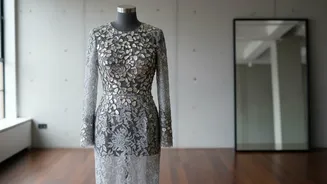
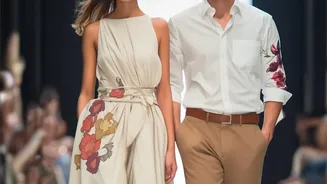
The traditional catwalk is making way for immersive worlds designed to transport attendees. Instead of simply observing, guests are invited into a narrative. At Hyundai India Couture Week 2026, designer Tarun Tahiliani swapped the runway for an immersive exhibition
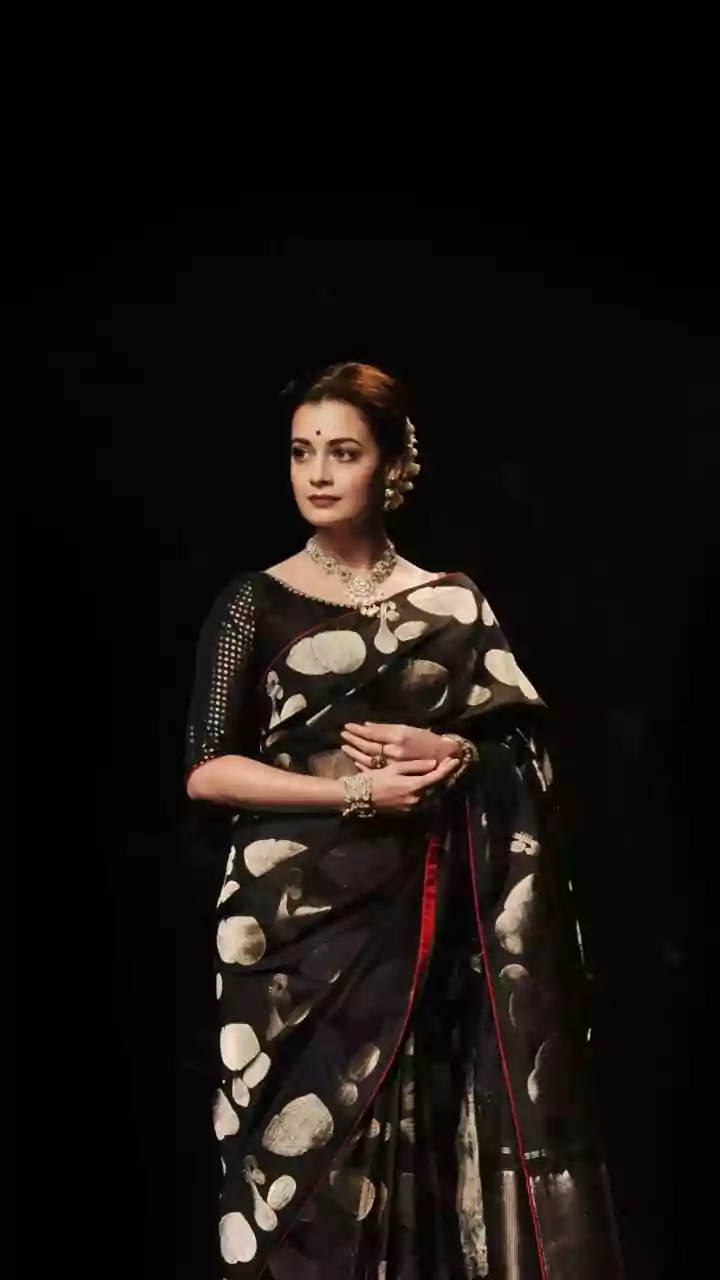
at Bikaner House, allowing guests to walk through the collection at their own pace and appreciate the hours of craftsmanship up close. Similarly, Rahul Mishra created a curated journey for his collection, moving beyond a conventional show to let guests experience the art of couture at close quarters. These events are less about a fleeting presentation and more about creating a memorable, sensory experience where the environment is as much a part of the story as the garments themselves.
The Rise of Theatricality
Some designers are embracing full-blown theatricality, turning their shows into performances. Thom Browne is a master of this, making his couture debut at the grand Opéra Garnier in Paris. He seated his guests on the stage, facing an auditorium filled with 3,000 cardboard cutouts, making the audience part of the production. The show told the story of a lonely traveler in a train station whose fantasies come to life, with models playing characters like pigeons and passengers. This approach transforms the presentation into a cultural event, blurring the lines between fashion, art, and theatre. It's a recognition that in today's world, brands need to create moments that captivate and entertain.
A Return to Intimacy
While some go big, others are pulling back, reviving the quiet intimacy of the original couture salons. Balenciaga, for instance, meticulously restored founder Cristóbal Balenciaga's historic salon, which had been closed for over 50 years. Creative director Demna chose to present his first couture collection in this intimate space, patinated to look as if it had been untouched for decades. This salon-style format, also embraced by designers like Michael Stewart of Standing Ground, allows guests an extremely close view of the garments. It turns the showing into a personal, almost conversational exchange between the designer, the clothes, and a select few, a stark contrast to the massive spectacles of ready-to-wear fashion weeks.
Surrealism and Spectacle
At the heart of the new couture experience is a bold embrace of artistry and surrealism, with designers pushing the boundaries of wearability to create pure spectacle. Daniel Roseberry at Schiaparelli is a leading voice in this movement. For his Fall/Winter 2026/27 collection, he collaborated with a cinema special effects atelier to work with materials like high-gloss latex and gelatinous silicone. The result was a collection of 'performance couture' that flirted with being movie costumes or conceptual art, questioning where the line between the body and clothing lies. This approach reaffirms couture’s role as a laboratory for ideas, a place where fashion can be a surrealist manifesto, just as it was in Elsa Schiaparelli's time with Salvador Dalí.
Why the Shift?
Several factors are driving this evolution. In a media-saturated world, an immersive experience or a theatrical show creates a much bigger impact online, generating buzz that a simple runway cannot. It is about creating a universe that people want to be a part of. Furthermore, there is a growing desire for authenticity and human connection; clients want to understand the story and the immense craftsmanship behind a piece that can take hundreds of hours to create. By moving beyond the runway, designers are not just selling a dress; they are offering entry into a unique world, making the dream of couture more potent than ever.