





More Than Just Digestion
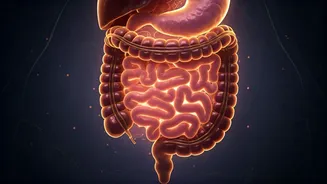
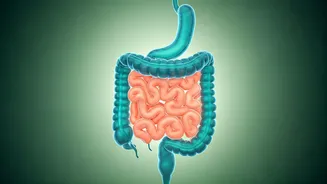
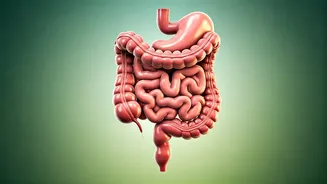
For decades, we thought of the gut as a simple plumbing system: food goes in, nutrients are absorbed, and waste goes out. Any problems were limited to indigestion, gas, or acidity. But this view is now considered wildly outdated. Scientists have revealed
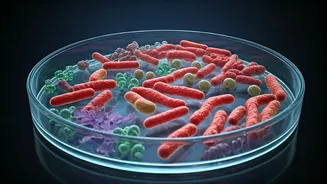
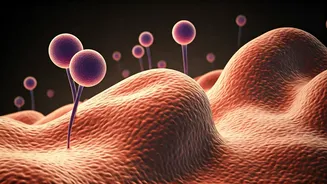
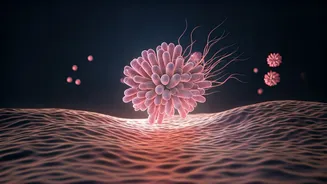
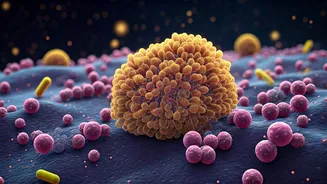
the gut is home to a bustling metropolis of trillions of microorganisms—bacteria, viruses, and fungi—collectively known as the gut microbiome. This intricate ecosystem doesn't just digest your food; it functions like a separate organ, influencing everything from your immune system to your mood. The new understanding is that a healthy gut isn't just about avoiding stomach aches; it's about nurturing this internal garden to support your entire body.
The Scientific Tipping Point
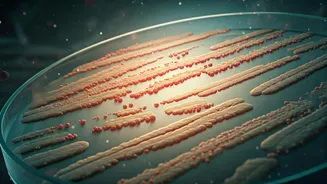
Why the sudden explosion of interest? The answer lies in technology. Advances in genetic sequencing have allowed researchers to study the gut microbiome in unprecedented detail. Before, it was nearly impossible to identify and understand the vast number of species living inside us. Now, scientists can map this complex world, revealing direct links between the balance of our gut bacteria and a host of health conditions. This research boom has moved gut health from the fringes of alternative medicine to the forefront of cutting-edge science. What was once speculation is now being backed by a growing body of evidence, making both the medical community and the public pay serious attention.
The Gut-Brain Connection
One of the most fascinating discoveries is the “gut-brain axis”—a direct communication line between your digestive system and your brain. Have you ever felt “butterflies in your stomach” when nervous? That's the axis at work. But it goes much deeper. Gut microbes produce neurotransmitters, including serotonin (the “happy chemical”), which regulate mood. Studies now suggest that an imbalance in gut bacteria can be linked to anxiety, depression, and brain fog. This revelation has been a game-changer, reframing mental well-being as something that can also be influenced by what’s happening in our gut. The idea that you can potentially eat your way to a better mood is a powerful driver of the current wellness conversation.
A Casualty of Modern Life
The focus on gut health has also intensified because modern lifestyles are uniquely challenging for our microbiome. Diets high in processed foods, sugar, and unhealthy fats can starve beneficial bacteria and feed harmful ones. The overuse of antibiotics, while life-saving, can wipe out good bacteria along with the bad. Chronic stress also takes a heavy toll on our internal ecosystem. In essence, many aspects of 21st-century living inadvertently disrupt our gut balance, leading to a rise in inflammatory conditions, allergies, and metabolic issues. We’re suddenly so interested in fixing our gut because, for many of us, it’s broken.
From Lab to Lassi and Beyond
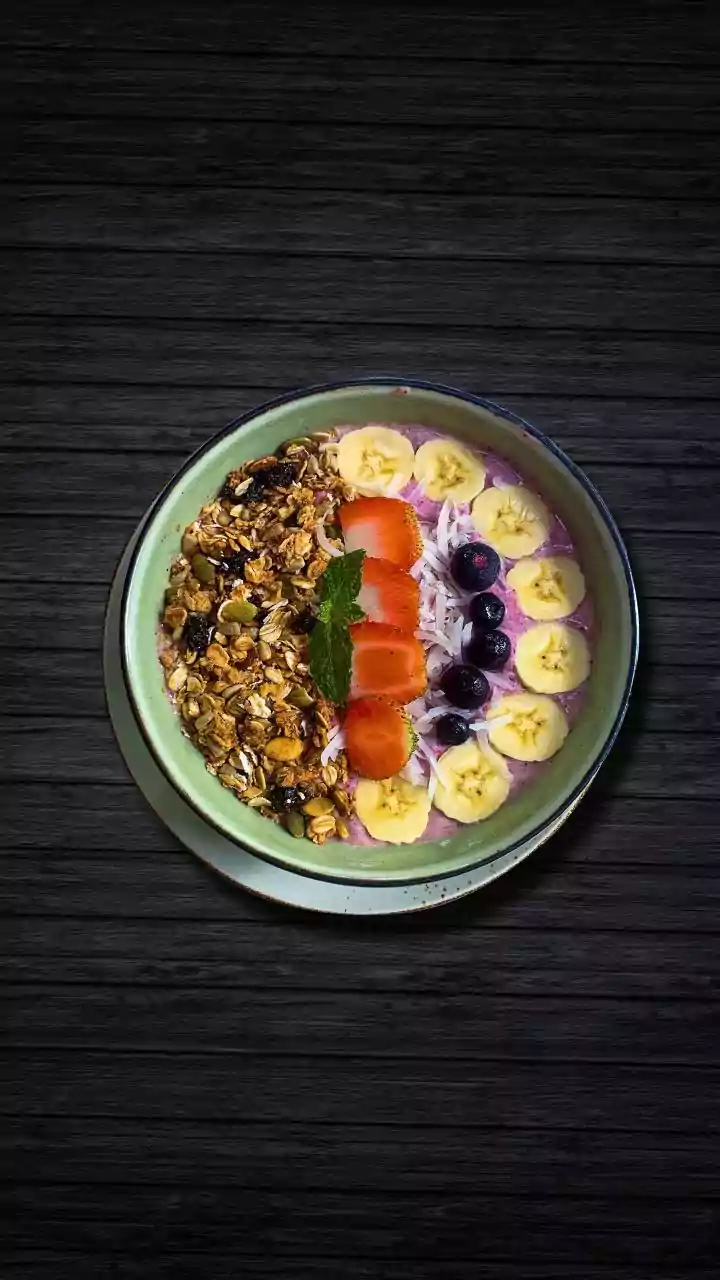
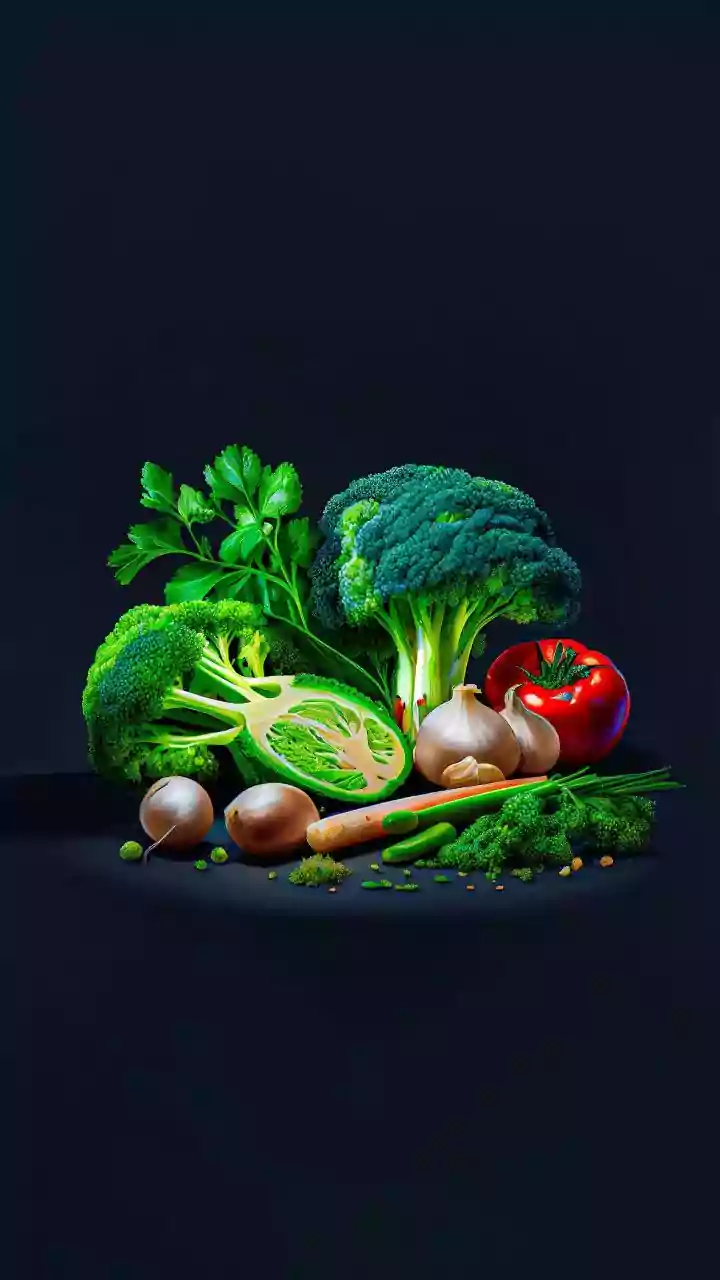
The good news is that this new science has empowered us with practical knowledge. The conversation has shifted to prebiotics (fibre that feeds good bacteria) and probiotics (live beneficial bacteria). This has fuelled a massive market for supplements and fortified yoghurts. However, for many in India, the solution is already in the kitchen. Traditional foods like dahi (curd), pickles (achar), and fermented dishes like idli and dosa are naturally rich in probiotics. The wisdom of our grandmothers—to include a bowl of curd with meals—is now being validated by modern science. The trend, therefore, isn't just about buying new products; it’s also about reclaiming and understanding the benefits of traditional food wisdom.