






More Than Just a Meal
For generations, the recipe for a successful restaurant was simple: great food, good service, and a pleasant atmosphere. But in 2026, a growing number of establishments are betting on a new ingredient: drama. This isn't about kitchen arguments spilling
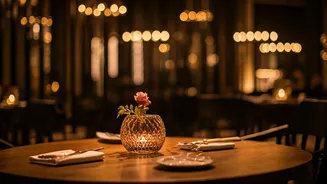
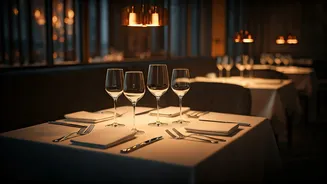
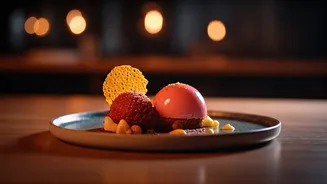
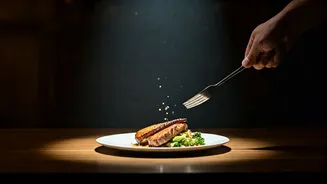
into the dining room; it's a deliberate shift towards what's known as 'experiential dining'. The meal is no longer the sole focus. Instead, it’s one component of a larger, more immersive event. This trend reflects a major change in what diners want. Post-pandemic, people are seeking connection and memorable occasions, not just a transaction. They’re looking to fill their souls, not just their stomachs. As a result, the line between restaurant and entertainment venue is blurring, giving rise to 'eatertainment' where the goal is to create a memory worth sharing.
Dinner as Immersive Theatre
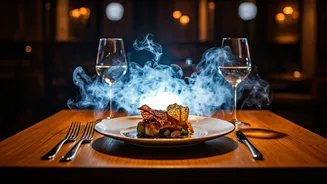
One of the most popular forms of dining drama is the fusion of food and live performance. Establishments are creating intricate, story-driven evenings where guests are not merely spectators but participants. In Las Vegas, The Mayfair Supper Club blends elevated cuisine with live performances set against the Bellagio Fountains, turning dinner into a glamorous, evolving show. Other concepts, like the traveling 'Seven Paintings' series, build multi-course meals around the lives of famous artists like Van Gogh, using video projections and interactive dishes to tell a story. These experiences range from high-tech affairs using projection mapping and virtual reality to intimate chef's tables where the cooking itself is the performance. The goal is to engage all the senses, transforming a meal into a multi-sensory journey.
The Catharsis of Conflict
Perhaps the most surprising form of dinner-time drama is manufactured conflict. Chains like Karen's Diner, which launched in Australia in 2021 and expanded globally, built a viral brand on one core concept: the staff are intentionally rude. Customers pay to be playfully insulted, have menus tossed at their table, and be subjected to general sass. It’s a complete inversion of the 'customer is always right' mantra. This concept isn't entirely new—establishments like Dick's Last Resort in the U.S. have been serving up obnoxious behavior since 1985. The appeal lies in the subversion of social norms; it’s a form of escapism where diners can laugh at the absurdity of it all. For a generation raised on internet memes, the restaurant's theme, based on the 'Karen' stereotype, provides a unique and shareable form of entertainment.
The Instagram-Hungry Diner
A powerful force behind this trend is social media. Experiential restaurants are inherently photogenic and shareable. A meal that involves a theatrical presentation, a surprising reveal, or a hilarious interaction with a rude waiter is far more likely to end up on TikTok or Instagram. This user-generated content provides restaurants with a constant stream of free and authentic marketing. In fact, some analysts note that many diners, particularly from younger generations like Gen Z and Millennials, prioritize experiences over material goods and use restaurants to reward themselves with novel content for their online personas. According to one report, 50% of consumers learn about new dining experiences through social media, making a restaurant's 'shareability' a crucial component of its business model.
An Experience Economy on a Plate
Ultimately, the rise of dramatic dining is a symptom of the broader 'experience economy'. Consumers increasingly prioritize spending on memorable events over physical products. Dining out, once a routine activity, is now viewed as a prime opportunity for adventure and emotional connection. This has pushed restaurants to innovate beyond the plate. They are no longer just competing on the quality of their food, but on the power of the feelings they evoke. While some gimmicks may fade, the underlying shift toward experience-led dining appears to be a sustainable business model, with some reports from 2025 indicating that a majority of consumers prefer restaurants offering unique experiences. However, the novelty can wear off, as seen with some of the financial troubles faced by Karen's Diner, suggesting that a successful concept needs more than just a gimmick to ensure long-term loyalty.