








Understanding the Monsoon Must
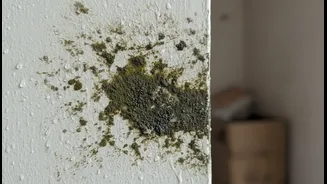
That unpleasant, earthy smell that seems to permeate clothes, towels, and even curtains during the rainy season isn't just in your head. It's the result of a simple, yet potent, combination: moisture and bacteria. High humidity and a lack of direct sunlight
create the perfect breeding ground for mould, mildew, and odour-causing bacteria to thrive on fabric fibres. When clothes take longer to dry, these microorganisms multiply, releasing gases that produce that characteristic musty scent. Leaving damp clothes in a laundry pile or a closed washing machine for even a few hours can be enough to start the process. The key to a fresh-smelling home during the monsoon is to tackle the moisture head-on.
Your Wardrobe's First Line of Defence: The Right Fabrics
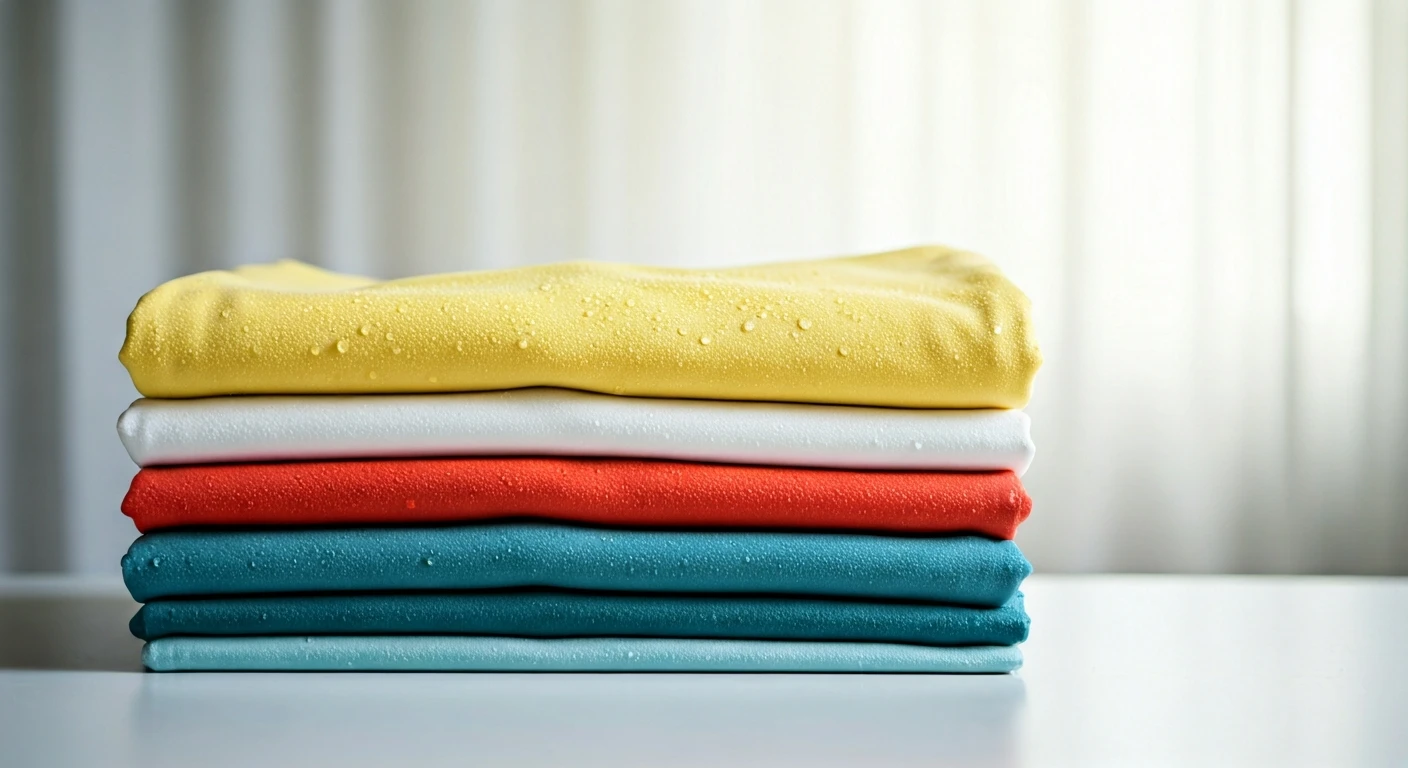
While we love our comfortable cottons, pure cotton can be problematic during the monsoon as it absorbs a lot of moisture and dries slowly. The best fabrics for this season are those that are lightweight, breathable, and quick-drying. Consider incorporating fabrics like rayon, polyester blends, and modal into your wardrobe. Rayon, a semi-synthetic fabric, is soft, absorbent, and doesn't trap moisture, allowing it to dry faster than pure cotton. Modern polyester blends are engineered to be water-resistant and breathable, making them an excellent choice for everything from workwear to casual outfits. Even cotton blends, which mix cotton with synthetic fibres like polyester, offer a good compromise, providing the comfort of cotton with the quick-dry benefits of synthetics.
Monsoon-Proofing Your Home Textiles
The fight against dampness extends beyond your closet. Your bedsheets, cushion covers, and curtains are also susceptible to musty odours. Choose pure, lightweight cotton for your bed linen, as it breathes better than polyester blends, which can trap moisture. Wash bedsheets more frequently during the monsoon, ideally every 5-7 days. When you wash, ensure items have enough space in the machine to get thoroughly clean. Avoid overcrowding the drying rack to allow for proper air circulation. For curtains and upholstery, a weekly airing out near an open window or under a fan can make a significant difference, even if you don't wash them as often.
Smart Laundry Hacks for Freshness
Your laundry routine is crucial for keeping clothes fresh. One of the most effective and affordable tricks is to use white vinegar. Adding half a cup of white vinegar to the rinse cycle helps kill mould spores and neutralise odours without leaving a vinegary smell on dry clothes. Baking soda is another powerful deodoriser; adding half a cup to your wash can help absorb and eliminate smells. When drying clothes indoors, use a well-ventilated area and a fan to speed up the process. Ensure every item is completely dry before folding and storing it; even slight dampness can lead to mildew in a closed wardrobe. Ironing clothes when they are almost dry can also help kill any remaining spores and eliminate residual moisture.
Keeping Your Wardrobe Dry and Odour-Free
Even dry clothes can absorb musty smells if your wardrobe is damp. To combat this, ensure your closet is well-ventilated. You can use moisture absorbers like silica gel packets or even open boxes of baking soda to help regulate humidity inside. Placing natural repellents like dried neem leaves or camphor in your wardrobe not only helps deter insects but also absorbs excess moisture. Don't overcrowd your shelves and hanging rails; giving your clothes space allows air to circulate, preventing the stale, trapped odours that can develop during humid weather.