





The Invisible Barrier Beneath Our Cities
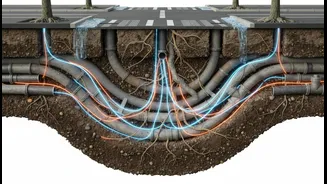
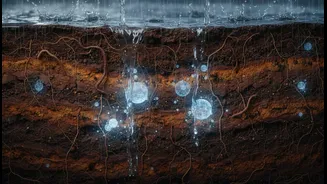
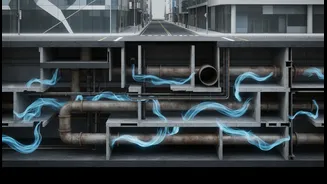
Beneath the concrete and asphalt of our urban landscapes lies a hidden world called the vadose zone—the layer of earth between the surface and the groundwater table. This zone isn't just soil and rock; it's also filled with air. For rainwater to soak
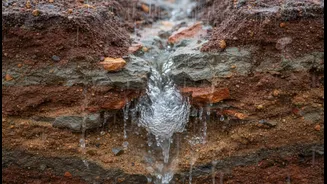
into the ground, this subterranean air must be able to escape. Think of it like pouring water into a bottle with only one small opening; the trapped air slows the water down. In a natural, unpaved environment, soil is porous, allowing for a healthy exchange of gases. Air gets out, and water gets in. This process, known as soil aeration, is fundamental to how the ground absorbs rainfall and prevents immediate runoff.
How Urbanisation Suffocates the Soil
Modern cities, with their vast stretches of impermeable surfaces like roads, parking lots, and dense building foundations, effectively seal the ground. This widespread sealing, or soil compaction, squeezes the air pockets out of the earth. When a heavy monsoon shower begins, the rainwater that should be percolating downwards is blocked by this trapped, pressurised air. The ground's ability to absorb water, known as its infiltration rate, drops dramatically. Instead of soaking in, the water is forced to run off the surface, quickly overwhelming the drainage systems that were never designed to handle the entire volume of a downpour alone. This increased runoff is a direct cause of the urban flooding that has become a recurring seasonal crisis.
The Air-Water Conflict During a Downpour
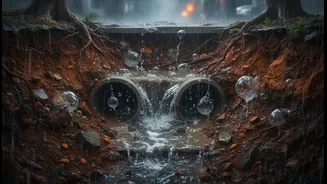
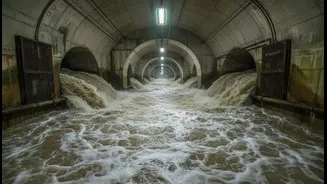
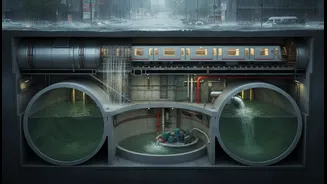
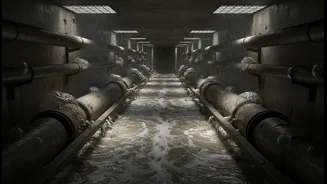
The conflict between trapped air and incoming water is most intense during the heavy, concentrated rainfall typical of the Indian monsoon. When rain falls faster than the ground can 'exhale,' the subsurface air pressure can effectively create a barrier that repels water. Recent studies in other contexts, such as deep underground facilities, have shown how powerful the dynamic between water and air can be; columns of falling water have been found to act like giant pistons, pushing air and even reversing ventilation flows. In an urban setting, this means that even soil that isn't fully waterlogged can refuse to absorb more rain simply because the air within it has nowhere to go. This contributes significantly to the rapid accumulation of water on streets and in low-lying areas.
Designing 'Breathable' Cities for the Future
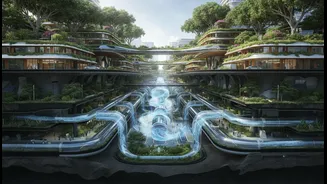
Acknowledging the role of underground airflow opens up new strategies for monsoon infrastructure. The focus must shift from solely managing surface water to creating more 'breathable' urban environments. Permeable pavements are a key solution; these materials allow water to pass through into an aggregate layer below, reducing immediate runoff and allowing water to infiltrate the ground gradually. These systems are ideal for parking lots, footpaths, and residential driveways. Expanding green spaces like parks, gardens, and even small patches of unsealed earth is also critical. These areas act as natural sponges, allowing for essential gas exchange and water absorption. This approach, sometimes called creating 'sponge cities,' helps recharge groundwater, reduces the strain on municipal drains, and mitigates the risk of flash floods.