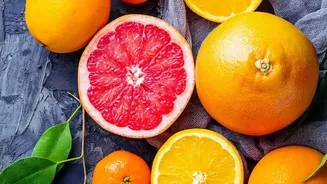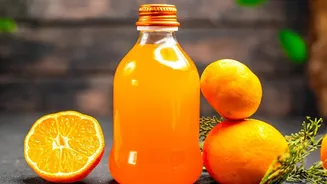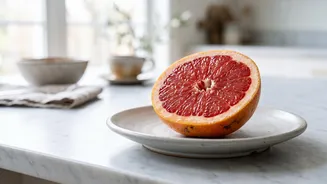









That morning glass of juice or a refreshing citrus snack seems like a healthy habit. But for millions taking common medications, this simple act can trigger unintended and potentially dangerous reactions, turning a healthy choice into a health risk.
The Science Behind the Sip
The
primary issue lies with how your body processes certain substances. Many oral medications are broken down in your small intestine and liver by an enzyme called CYP3A4. Think of this enzyme as a gatekeeper that metabolises drugs, controlling how much of the active ingredient enters your bloodstream. Certain compounds found in some citrus fruits, known as furanocoumarins, can block this enzyme. When CYP3A4 is inhibited, it can't do its job properly. As a result, much more of the drug can pass into your bloodstream than your doctor intended. This leads to higher-than-expected concentrations of the medication in your body, effectively turning a normal dose into a potential overdose. This effect is not brief; it can last for up to three to seven days, meaning you cannot simply separate taking your pill from drinking the juice by a few hours.
Which Fruits Are the Culprits?
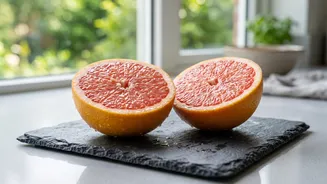
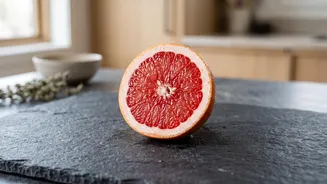
Grapefruit is the most well-known and studied offender, and this applies to all forms of the fruit—fresh, juice, or even frozen concentrate. However, it's not the only one. Other citrus fruits can cause the same interaction. These include Seville oranges (often used in marmalades), pomelos, and tangelos (a hybrid of a tangerine and grapefruit). Limes may also pose a risk. Interestingly, sweet oranges like Navel or Valencia varieties do not seem to cause this specific enzyme-blocking interaction. In a different type of interaction, some juices, including orange and apple juice, can actually decrease the absorption of certain drugs, like the allergy medication fexofenadine, making them less effective.
Common Medications at Risk
The list of medications affected by this interaction is extensive and includes many widely prescribed drugs. It is crucial to check with a healthcare provider, but some of the major categories include: - Certain Cholesterol-Lowering Statins: Drugs like atorvastatin, lovastatin, and simvastatin can reach dangerously high levels, increasing the risk of muscle and kidney damage. - Some Blood Pressure Medications: Calcium channel blockers such as nifedipine and felodipine can have their effects amplified, leading to a sharp drop in blood pressure. - Psychiatric Medications: Many anti-anxiety drugs (like buspirone and alprazolam), antidepressants, and sedatives are impacted, which can lead to increased sedation and other side effects. - Organ Transplant Rejection Drugs: Medications like cyclosporine and tacrolimus are very sensitive to dosage. Increased levels can cause kidney toxicity. - Some Drugs for Abnormal Heart Rhythms: Medications like amiodarone can have their concentration boosted, posing a risk to heart function.
What Happens in Your Body?
When a medication's concentration in the blood becomes too high, it significantly increases the risk of adverse effects. For a statin drug, this might mean severe muscle pain or a rare but serious condition called rhabdomyolysis, which can lead to kidney failure. For a blood pressure medication, it could cause dizziness, fainting, or an unsafe drop in blood pressure. With anti-anxiety medications, the result could be excessive drowsiness and impaired coordination. In some cases, these interactions can be life-threatening. Conversely, some juices can block transporters that help drugs get absorbed. For example, orange and apple juices can reduce the effectiveness of the antihistamine fexofenadine by preventing it from entering the blood in sufficient amounts.
How to Stay Safe
The most important step is communication. If you regularly consume grapefruit or other at-risk citrus fruits, have an open conversation with your doctor or pharmacist. Ask specifically if any of your medications—both prescription and over-the-counter—have a known interaction. Reading the patient information leaflet or medication guide that comes with your prescription is also essential, as it will list any such warnings. Remember that the effect can last for several days, so simply avoiding the fruit or juice around the time you take your pill is not a safe strategy. If there is an interaction, the safest approach is to avoid the offending fruit entirely during your treatment period. Your doctor may also be able to prescribe an alternative medication that is not affected by citrus.