





The Rise of the Digital Dish
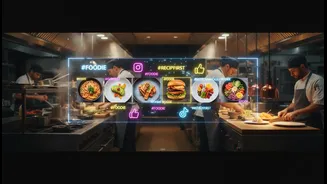
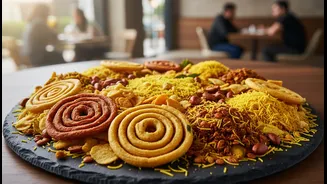
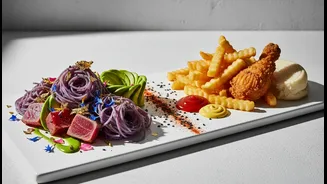
In India, food trends are no longer set by celebrity chefs or legacy restaurants alone; they are born on screens. Food creators on platforms like Instagram and YouTube have become the nation's primary culinary trendsetters. From deconstructed classics
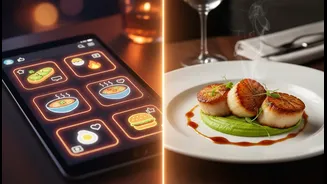
to audacious global fusions, their viral videos create massive, instantaneous demand. For millions of young, digitally-native diners, discovery begins on social media. Research shows that a vast majority of diners now use social media to decide where to eat. This has turned food into a highly visual, shareable experience, where a dish's 'Instagrammability' is as important as its taste. This dynamic has created an audience that is adventurous, craves novelty, and expects the food they see online to be accessible offline.
Why QSRs Can't Always Keep Up
While it might seem simple for a Quick Service Restaurant (QSR) to add a trending item to its menu, the reality is far more complex. The core principles of the QSR model—speed, consistency, and affordability—are often at odds with the fleeting, complex nature of viral food trends. Major chains like McDonald's, Domino's, and Burger King have built their empires on meticulously optimized supply chains. Introducing a new item requires sourcing ingredients at a massive scale, retraining staff across hundreds or thousands of outlets, and ensuring the final product is identical in Mumbai and Meerut. A viral trend might depend on a niche ingredient that is difficult to source consistently, like kokum or gondhoraj lime. Furthermore, a brand's identity is a carefully guarded asset; jumping on every fad risks diluting what the brand stands for and alienating its core customer base. The result is often a cautious approach, focusing on limited-time offers (LTOs) or gradual menu evolution rather than rapid-fire trend adoption.
The Creator's Conundrum
Food creators and influencers are also navigating a complex landscape. Their success is often tied to creating the next viral sensation, which can push them towards novelty for novelty's sake. The pressure to generate views can lead to the creation of dishes that are visually spectacular but impractical for a restaurant to produce at scale or even for a home cook to replicate. However, these creators are also a vital source of culinary innovation, blending global techniques with local Indian flavours in ways that legacy brands might not dare to. The most successful creators are now moving beyond just showcasing food to building their own brands, launching spice mixes, or consulting on menus. The learning for them is to balance viral appeal with practicality, understanding that influencing actual dining habits requires creating trends that have a life beyond a 30-second reel.
What Young Diners Really Want
Gen Z and millennial diners in India are at the heart of this gap. This demographic, which drives a significant portion of restaurant spending, is a study in contradictions. They are adventurous and demand authenticity and new experiences, often inspired by their social media feeds and travels. Yet, they also value the convenience, reliability, and value offered by established QSRs. They want food that is both globally inspired and familiarly comforting. They are also increasingly health-conscious, looking for transparency about ingredients and sustainable practices. This creates a powerful tension: they are drawn to the novelty they see online but often default to the trusted brands they know. For this generation, dining is an experience to be shared, and they are willing to seek out unique options, but QSRs that fail to offer any form of innovation risk becoming irrelevant.
Bridging the Gap: The Way Forward
The social-to-menu gap is not a problem to be solved but a dynamic to be managed. For QSR brands, the lesson is to become better listeners. Instead of ignoring social media chatter, they can use it as a real-time focus group to identify more durable trends worthy of investment. Collaborations with micro-influencers can offer a more authentic way to connect with young diners and test new ideas. As seen with global brands like Dunkin' and Chipotle, influencer-led menu items can drive massive engagement. For food creators, the opportunity lies in partnering with brands to develop scalable menu items, moving from trend-spotting to trend-setting. And for diners, the learning is to understand the difference between online entertainment and the operational realities of the food industry. By voting with their wallets, they can signal which trends have real staying power, ultimately influencing what appears on menus across the country.