



A Safari After Sunset
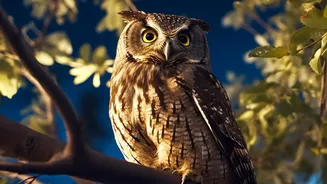
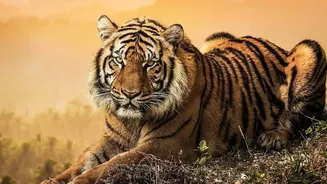
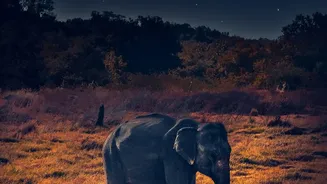
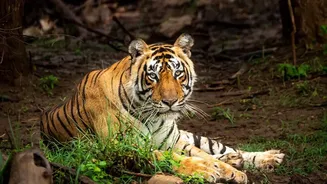
The centrepiece of the massive Rs 1,500 crore development is India's first-ever night safari, an idea inspired by Singapore's world-famous attraction. Unlike traditional zoos and wildlife parks that operate during the day, the Kukrail Night Safari will
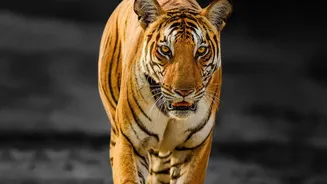
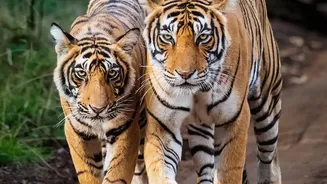
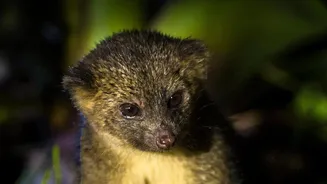
offer visitors a unique chance to observe nocturnal animals in their natural element. Guests will journey through the park on quiet, battery-operated trams under simulated moonlight, a system designed to illuminate the habitats without disturbing the animals. This innovative approach allows for a completely different perspective on wildlife, showcasing the behaviours of species like leopards, hyenas, and the elusive flying squirrel, which are rarely seen during daylight hours. The 40-minute safari ride is designed to be an immersive experience, with specially designed enclosures and moats ensuring visitor safety.
More Than Just a Night Out
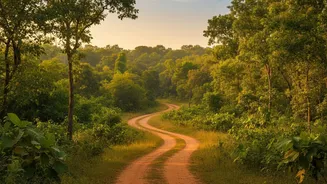
The Kukrail project is far more than just a single attraction. The plan includes the development of a modern day zoo, nature trails, recreational zones, and visitor interpretation centres. The entire complex is set within the 2,027-hectare Kukrail Reserve Forest, with about 855 acres designated for the safari and zoo. This integrated approach aims to create a comprehensive eco-tourism hub. The state government envisions it as a destination that combines wildlife conservation, research, and education with tourism. Plans also include facilities like a cafeteria and even a 7D theatre to enhance the visitor experience. After years of planning and scrutiny, the project recently received the final go-ahead from the Supreme Court, clearing the way for construction to begin.
A Twist in the Tale: The Zoo Stays Put
One of the project's most debated aspects was the initial proposal to relocate Lucknow’s century-old Nawab Wajid Ali Shah Zoological Garden from the city centre to Kukrail. The idea was to decongest the city and provide the animals with a more spacious, natural environment. However, this part of the plan faced opposition from environmentalists concerned about the loss of a vital green lung in the heart of Lucknow and the impact of felling thousands of trees in the reserve forest. Ultimately, a Central Empowered Committee (CEC) and the Supreme Court recommended against shifting the existing zoo, ensuring it remains in its historic location. While a new, modern day zoo is still planned for Kukrail, the original city zoo will not be moved.
Conservation at its Core
Beyond the tourist attractions, the Kukrail project is deeply rooted in a history of conservation. The area is already home to the internationally recognised Kukrail Gharial Rehabilitation Centre, established in 1978. This centre has played a crucial role in breeding and releasing thousands of the critically endangered gharial, a unique fish-eating crocodile, back into India's rivers. This vital conservation work will continue alongside the new developments. The project aims to house over 100 animal species in naturalistic enclosures, with dedicated facilities for conservation breeding and research. By combining a popular tourist attraction with serious conservation efforts, the project hopes to foster greater public awareness about India's fragile ecosystems.
A New Model for Urban Wildlife?
The Kukrail project represents a significant shift in how Indian cities approach the relationship between urban development and nature. By creating a major eco-tourism hub on the edge of a major city, the Uttar Pradesh government hopes to boost tourism and generate employment while promoting a conservationist message. The development also includes the rejuvenation of the Kukrail river and the creation of a riverfront. If successful, this model could serve as a blueprint for other cities across India, demonstrating that wildlife tourism doesn't have to be confined to remote national parks. It aims to prove that a well-managed, conservation-focused facility can thrive within an urban landscape, offering residents and tourists a chance to connect with nature without travelling far.