




A Global Nod to a Festive Favourite
In a recent list of the '100 Best Vegetable Dishes in the World', the international food portal TasteAtlas ranked Malai Kofta at an impressive number three. The platform, which relies on audience ratings to compile its rankings, placed the North Indian
classic near the pinnacle of global vegetarian cuisine. This wasn't its only recent accolade; the dish also secured the 10th spot on a list of the world's best deep-fried dishes. For a dish that has long been a staple at Indian weddings and celebrations, this global recognition feels like a formal acknowledgment of what millions of Indians have known for generations: Malai Kofta is a world-class culinary creation. The ranking serves as a moment of pride, validating the dish's place not just in our hearts, but on the world stage.
Deconstructing the Decadence
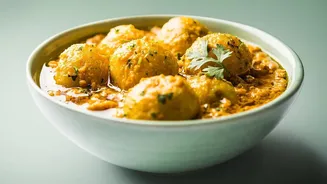
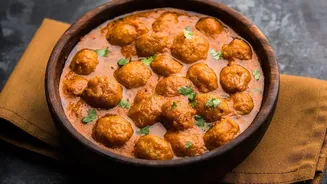
So, what makes Malai Kofta so special? The name itself offers a clue: 'malai' means cream and 'kofta' refers to dumplings. It's a dish of contrasts. The koftas are soft, melt-in-your-mouth balls typically made from a mixture of grated paneer (Indian cottage cheese) and boiled potatoes, sometimes studded with nuts and raisins for texture and sweetness. These are deep-fried until golden and crisp, creating a delightful textural difference with their fluffy interior. They are then served in a luscious, velvety gravy—a rich blend of tomatoes, onions, and a cashew nut paste that gives it its signature creaminess. It is not an everyday meal; its richness and the effort involved in its preparation reserve it for special occasions, making it synonymous with festivity and indulgence.
A Legacy of Culinary Fusion
While it is a cornerstone of North Indian vegetarian cuisine, Malai Kofta's story is one of cultural adaptation and innovation. The concept of the 'kofta' has roots in Persian and Central Asian culinary traditions, where it was originally made with minced meat. With the arrival of Mughlai influence in India, this concept was ingeniously adapted to suit local tastes and the subcontinent's strong vegetarian ethos. Indian chefs substituted meat with paneer and vegetables, creating a dish that was entirely new yet carried echoes of its Persian ancestry. This evolution from a meatball curry to a vegetarian showstopper is a perfect example of Indian cuisine's ability to absorb foreign influences and transform them into something uniquely its own.
Beyond the Usual Suspects
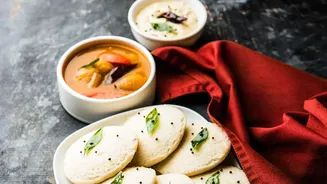
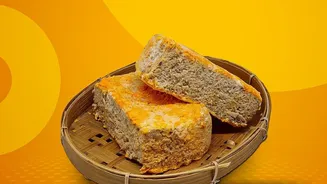
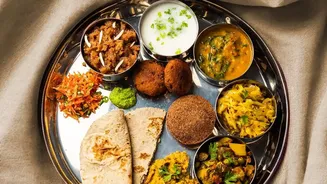
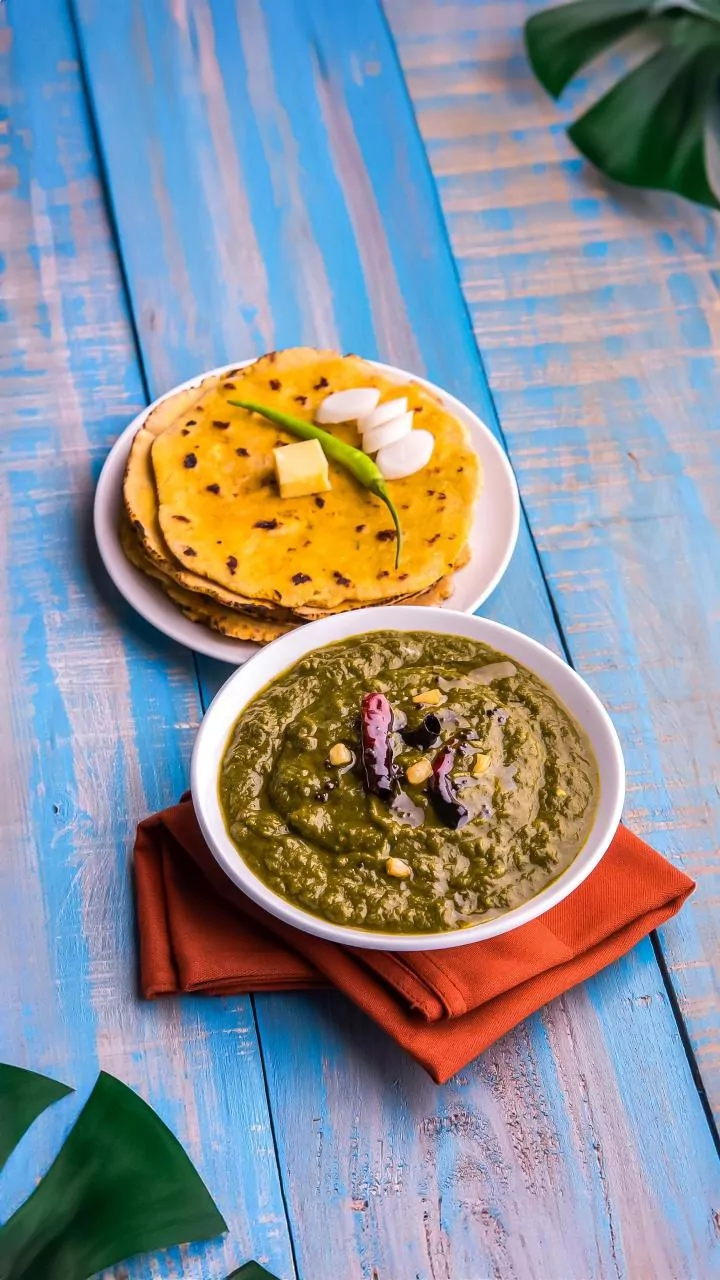
The international celebration of Malai Kofta says less about this single dish and more about a broader shift in the global perception of Indian food. For decades, the international understanding of Indian vegetarianism was often limited to a few familiar items. But that is changing. India has the world's largest population of vegetarians, and its cuisine reflects an unparalleled diversity of plant-based cooking that goes far beyond lentils and paneer. From the Udupi cuisine of Karnataka to the street food chaats of Delhi, the vegetarian traditions are complex, regional, and deeply ingrained in culture. The Malai Kofta ranking is a signal that the world is beginning to look past the stereotypes and appreciate the true depth and sophistication of India's meatless culinary heritage.
Why the World is Ready for More
This growing appreciation couldn't come at a better time. As the world sees a significant rise in plant-based diets and a greater demand for ethnic foods, Indian vegetarian cuisine is perfectly positioned to meet this moment. It isn't a modern trend but a tradition honed over millennia, rooted in principles like Ayurveda and ahimsa (non-violence). This ancient knowledge system has produced a cuisine that is not only flavourful but also inherently sustainable and varied. What was once seen as a niche or religious diet is now being recognized for its culinary brilliance and its relevance to modern dietary choices. The world isn't just discovering a few Indian dishes; it's discovering a whole philosophy of eating.