





The Global Energy Connection
The price of crude oil is a powerful, often invisible, thread connecting the world economy to your grocery bill. Since India imports over 85% of its crude oil, global price surges have a cascading effect. Higher oil prices mean more expensive diesel,
which is essential for tractors, irrigation pumps, and the trucks that transport produce from farms to mandis and finally to your local vendor. But the impact doesn't stop at transport. Energy is a key ingredient in producing fertilisers like urea. When global energy prices rise, fertiliser becomes more expensive, increasing the fundamental cost of growing crops for farmers. This 'cost-push' inflation means that from the moment a seed is planted to the point it reaches your plate, every step in the supply chain becomes costlier, a burden that is ultimately passed on to consumers.
Geopolitical Tremors on Your Thali
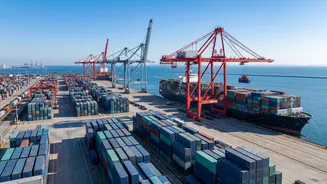
Conflicts in distant regions can have a surprisingly direct impact on the food you eat. Geopolitical tensions, particularly in West Asia, can disrupt crucial shipping routes like the Strait of Hormuz. This not only drives up shipping and insurance costs but also affects the supply of vital commodities that India imports. For instance, the Gulf region is a major source of fertilisers and the raw materials used to produce them domestically. Any disruption can tighten global supplies and raise the landed cost of these essential farm inputs. We saw a similar effect during the Black Sea conflict, which disrupted the global supply of sunflower oil, causing prices of all edible oils to spike as India scrambled for alternatives like palm and soy oil. These events highlight India's vulnerability, especially in sectors like edible oils, where imports fulfil a significant portion of our consumption.
When the Rupee Sneezes, Imports Catch a Cold
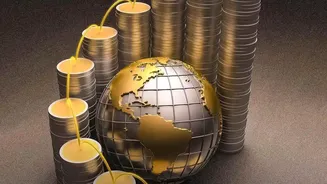
The exchange rate between the Indian Rupee (INR) and the US Dollar (USD) is another critical factor. Most international commodities, including crude oil, edible oils, and fertilisers, are traded in US dollars. When the rupee weakens against the dollar, India has to pay more for the same amount of imported goods. This directly increases the cost of everything from the fuel in our cars to the cooking oil in our kitchens. Even a seemingly small depreciation in the currency can lead to a significant rise in the country's import bill, fuelling what economists call 'imported inflation'. This is particularly true for items where India is heavily import-dependent, making the household budget susceptible to the daily fluctuations of global currency markets.
Unpredictable Weather, Predictable Price Hikes
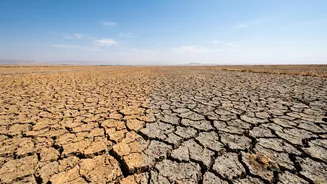
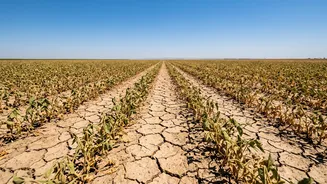
Climate change is no longer a distant threat; its effects are being felt in global agriculture and, consequently, in food prices. Extreme weather events like heatwaves, droughts, or floods in major food-exporting countries can devastate crops, leading to global supply shortages and price hikes. For example, a severe El Niño weather pattern can cause below-average rainfall not just in India, but also impact harvests in other key agricultural nations. This can create a double-whammy: our own domestic production may be under stress while the cost of importing goods to cover the shortfall also increases due to global scarcity. This increased frequency of climate shocks means that supply-chain disruptions are becoming more common, making food prices more volatile worldwide.