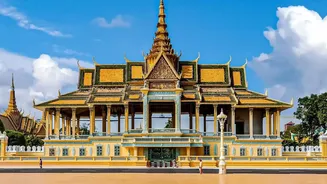



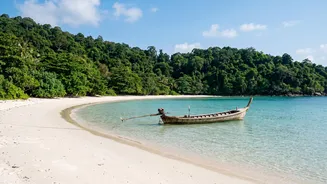


The vibrant cultures and ancient wonders of Vietnam and Cambodia are more accessible than ever for travellers from Chennai. This guide breaks down the essential planning details, from flights to visas, to help you book your dream Southeast Asian holiday.
Securing Your Visas: A Crucial First Step
For Indian passport holders, planning visas for both countries is straightforward. Vietnam requires a visa in advance, and the 90-day, multiple-entry e-visa is the most convenient option. Apply through the official government portal, as it's a simple online process requiring a passport scan, photo, and a fee of around $25 USD. For Cambodia, Indian citizens can obtain a visa on arrival at major airports like Phnom Penh and Siem Reap or apply for an e-visa online before travel. Both options typically grant a 30-day stay. For the visa on arrival, you'll need a valid passport, a passport-sized photograph, and the visa fee (approximately $30 USD), which must be paid in cash. Always check the latest requirements before your trip, as regulations can change.
Flights from Chennai: Your Gateway to Indochina
While direct non-stop flights from Chennai (MAA) to Vietnam or Cambodia are rare, a multitude of convenient one-stop options make the journey smooth. Airlines like Singapore Airlines, Thai Airways, AirAsia, and Malaysia Airlines offer regular flights to Vietnam’s major hubs, Hanoi (HAN) in the north and Ho Chi Minh City (SGN) in the south. Similarly, flights connect Chennai to Cambodia's key cities, Phnom Penh (PNH) and Siem Reap (REP). A popular and cost-effective strategy is to book a round-trip ticket into one country and out of the other (e.g., fly into Hanoi and fly out of Phnom Penh). This 'open-jaw' ticketing saves you from having to backtrack. Flight times, including layovers, typically range from 8 to 12 hours. Booking a few months in advance can secure fares starting from around ₹25,000.
Crafting the Perfect Itinerary
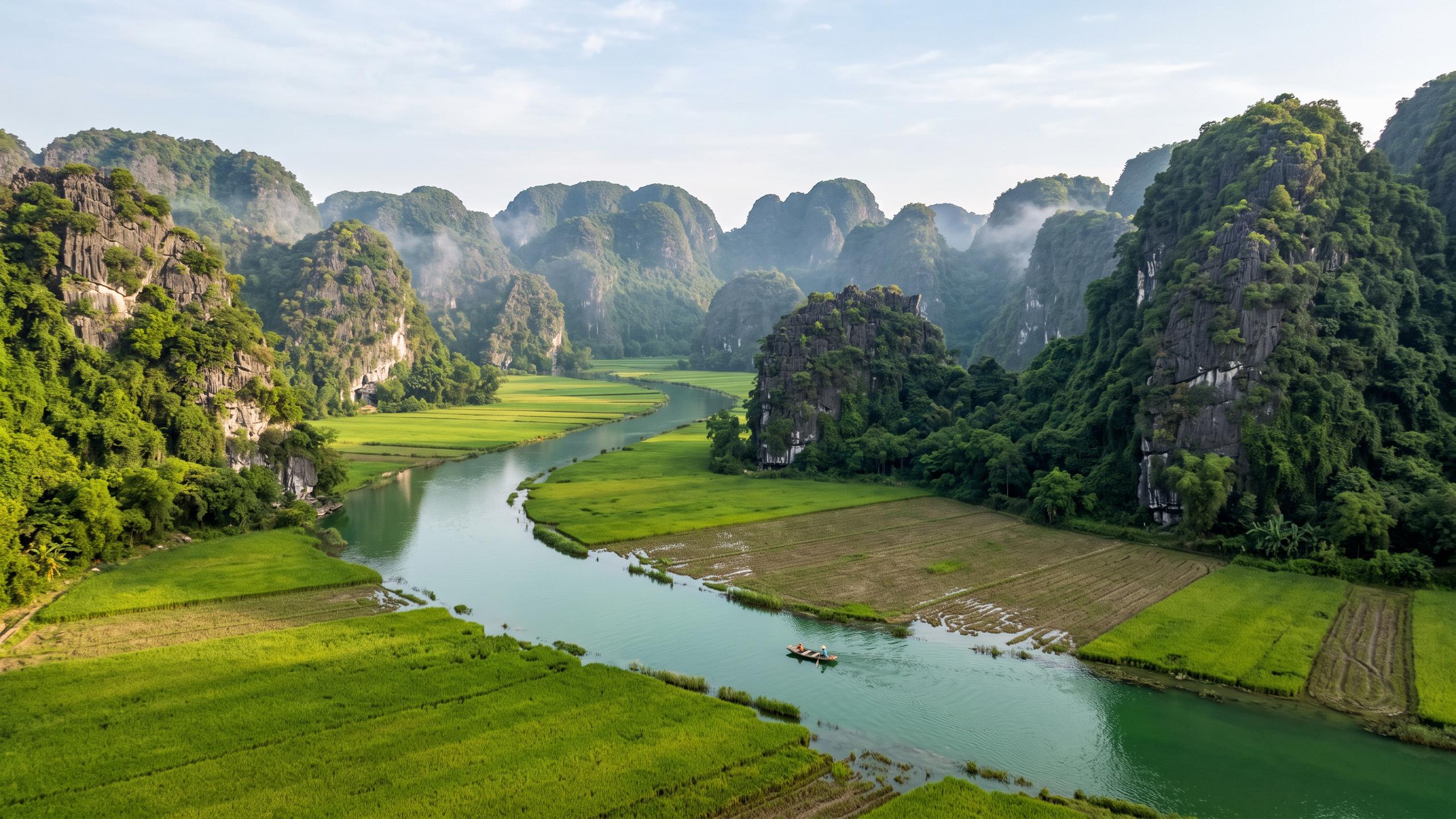
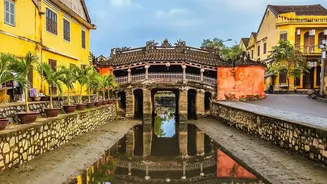
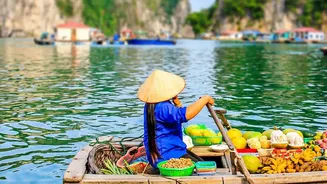
A well-planned route is key to maximizing your time. A common 10 to 14-day itinerary involves flying into Vietnam and traveling south (or north) before crossing into Cambodia. For example, start in Hanoi to explore the city and take an overnight cruise in Ha Long Bay. Then, fly to Da Nang to visit the charming ancient town of Hoi An. From there, fly to Ho Chi Minh City to delve into its wartime history and explore the Mekong Delta. The most popular overland crossing to Cambodia is the Moc Bai/Bavet border, easily reached by bus from Ho Chi Minh City, a journey of about six hours to Phnom Penh. After exploring the Cambodian capital, travel by bus or a short flight to Siem Reap, the home of the magnificent Angkor Wat temple complex, and fly back to Chennai from there. This route provides a logical flow and a diverse mix of experiences.
Budgeting and Currency
Vietnam and Cambodia are known for being budget-friendly destinations. For a comfortable mid-range trip, a budget of ₹4,000–₹6,000 per person per day (excluding international flights) is a reasonable estimate. This covers accommodation, food, transport, and activities. Packaged tours for 8-10 days can range from ₹65,000 to over ₹1,50,000 per person, depending on the level of luxury. In Vietnam, the official currency is the Vietnamese Dong (VND). While credit cards are accepted in hotels and large restaurants, cash is essential for street food, local markets, and smaller purchases. In Cambodia, the US Dollar is the de facto currency for most transactions; you'll use it for everything from hotel bills to tuk-tuk rides. The local currency, the Cambodian Riel (KHR), is typically only used for small change for amounts less than a dollar. It is advisable to carry clean, new US dollar bills.
When to Visit for the Best Weather
The best time to visit both countries is during the dry season, which generally runs from November to April. During this period, you'll experience pleasant temperatures, lower humidity, and plenty of sunshine, making it ideal for exploring ancient temples and enjoying outdoor activities. Vietnam's long geography means weather can vary significantly from north to south, but this window is generally favorable across the country. The peak tourist season falls in December and January, so expect larger crowds and higher prices. For a balance of great weather and fewer tourists, consider the shoulder months of November, February, and March.
Local Transport and Accommodation
Getting around in both countries is easy and affordable. In Vietnam, ride-hailing apps like Grab are popular in cities, while domestic flights are the best way to cover long distances between the north and south. Sleeper buses and trains are also cost-effective options for the adventurous. Cambodia's transport network is built around buses for intercity travel and the ubiquitous 'remork' (tuk-tuk) for getting around cities like Phnom Penh and Siem Reap. Accommodation options are plentiful, catering to every budget. You'll find everything from social backpacker hostels and family-run guesthouses to boutique hotels and luxurious five-star resorts. Booking in advance is recommended, especially during the peak season.