

Energising Vrat Flours
Traditional fasting often means avoiding wheat, but several nutrient-dense alternatives are permitted. Flours like Kuttu (buckwheat), Singhara (water chestnut), and Rajgira (amaranth) are excellent choices. Nutritionists highlight Rajgira in particular,
as it contains more protein than many other grains and all nine essential amino acids. These flours are naturally gluten-free and provide complex carbohydrates for sustained energy release, making them ideal for rotis, puris, or cheelas. They are far superior to relying on simple starches, helping to keep you full and prevent the lethargy that can accompany fasting.
The Versatile Sabudana
Sabudana, or tapioca pearls, is a cornerstone of vrat cuisine for a reason. It is a rich source of carbohydrates, providing a quick and effective energy boost. While it is a staple, experts advise on mindful preparation. Instead of deep-frying sabudana vadas, which can be heavy and high in calories, nutritionists suggest healthier options. A well-made Sabudana Khichdi, tossed with roasted peanuts, boiled potatoes, and minimal ghee, makes for a balanced and filling meal. The peanuts add a welcome dose of protein and healthy fats, turning a simple carb dish into a more complete meal.
The Power of Dairy
Dairy products are not only permitted but highly recommended during Sawan fasts. Milk, curd (yogurt), buttermilk, and paneer are excellent sources of high-quality protein and calcium. Protein is crucial during fasting to maintain muscle health, improve satiety, and prevent sudden hunger pangs. Nutritionists suggest that a glass of milk, a bowl of Greek yogurt, or grilled paneer can serve as a substantial meal. Curd and buttermilk are particularly beneficial for gut health and hydration, which is essential during the humid monsoon weather of Sawan.
Nutrient-Dense Nuts and Makhana
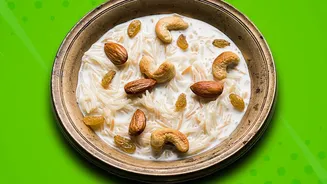
For snacking between meals, experts point towards nuts and makhana (fox nuts). A handful of almonds, walnuts, and peanuts provides healthy fats, protein, and fibre, which help stabilise blood sugar and keep you feeling full. Makhana is a particularly smart choice; it's low in calories but rich in protein and calcium. Simply roasting makhana with a teaspoon of ghee and a sprinkle of rock salt creates a crunchy, satisfying snack that is far healthier than packaged or fried alternatives.
Hydrating Fruits and Vegetables
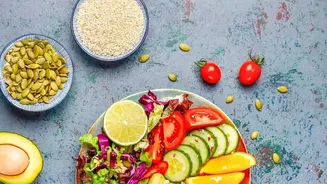
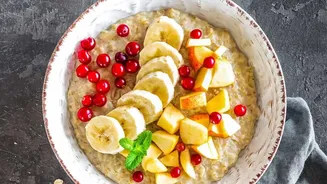
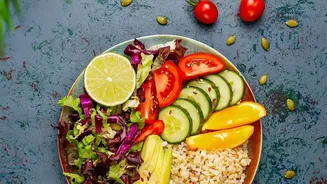
Fasting should not lead to dehydration. Fruits and certain vegetables are key to maintaining fluid and electrolyte balance. Seasonal fruits like bananas, apples, and pomegranates provide natural sugars for energy, along with essential vitamins and fibre. Root vegetables like potatoes and sweet potatoes are staples that offer complex carbohydrates for lasting energy. Nutritionists recommend pairing these starchy vegetables with other approved vegetables like lauki (bottle gourd) or cucumber to create more balanced meals. A fresh fruit chaat or a simple sweet potato chaat can be a refreshing and nutritious way to break a fast or as a light meal.
Pseudo-Grains for Wholesome Meals
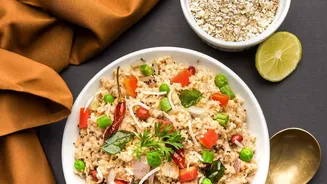
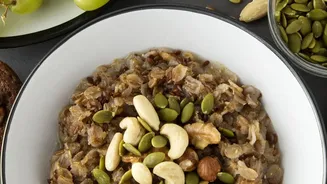
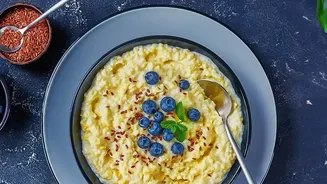
Samak ke chawal, or barnyard millet, is a fantastic substitute for rice during fasting periods. It is light on the stomach, easy to digest, and a good source of fibre. Nutritionists approve of its use as it provides steady energy without the heaviness of regular grains. You can use it to make a simple pulao with vegetables, a comforting khichdi, or even a kheer for a healthy dessert. Its versatility allows you to create full, satisfying meals that adhere to vrat rules while still providing essential nutrients to get you through your day.