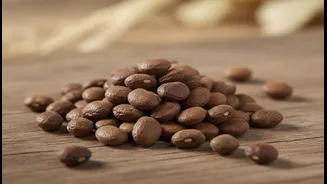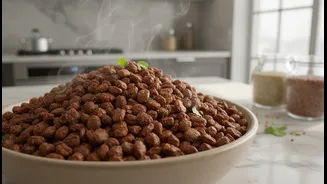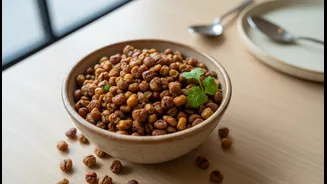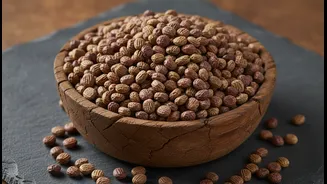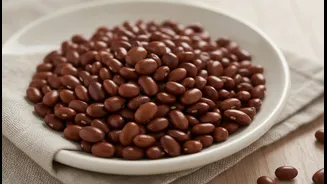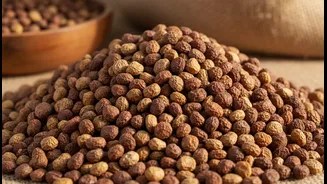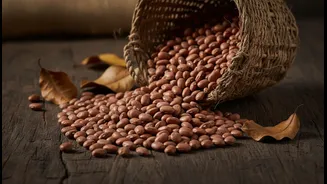



What is Horse Gram?
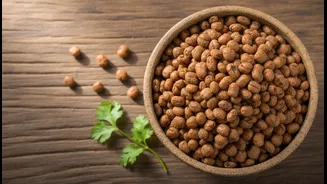
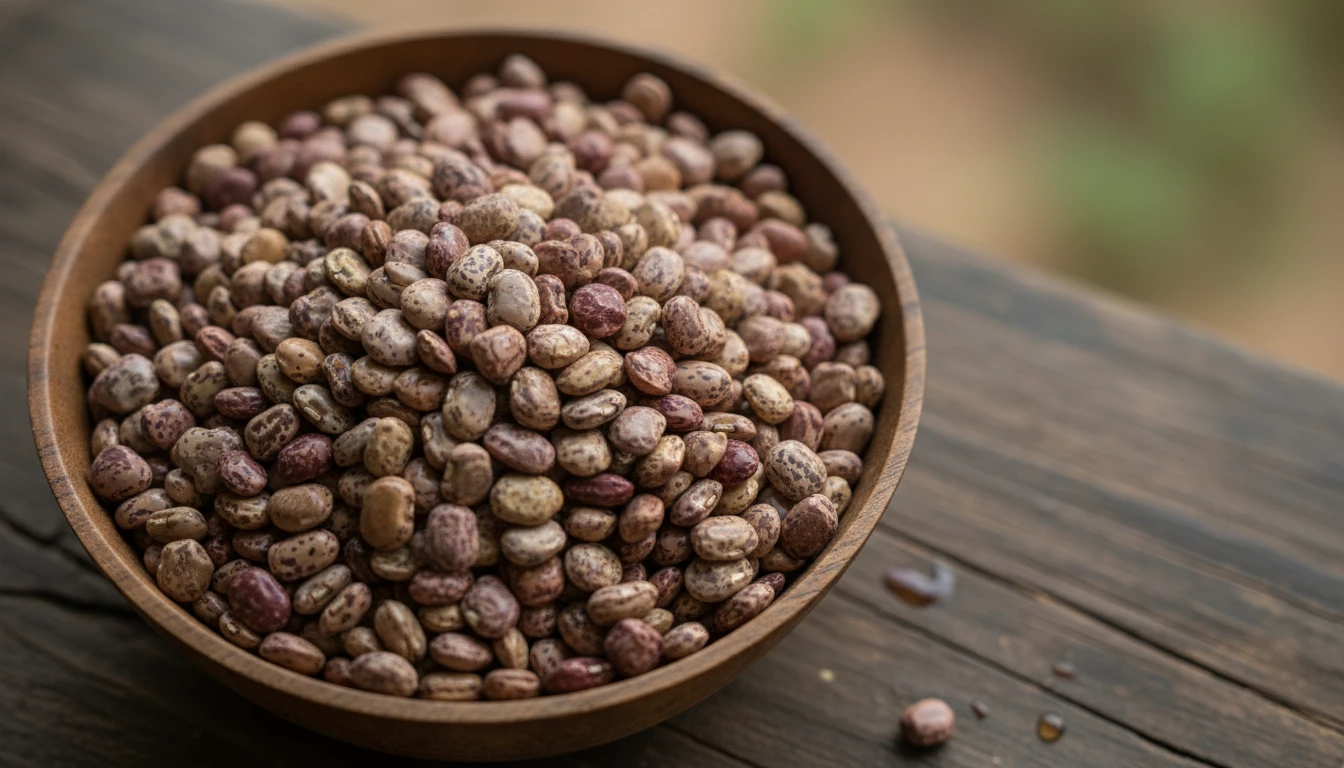
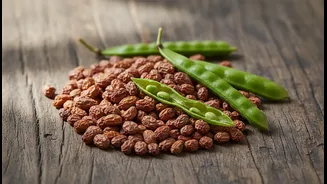
Known scientifically as Macrotyloma uniflorum, horse gram is a hardy legume that has been cultivated in India for centuries. It gets its English name from its traditional use as a nutrient-dense feed for horses and cattle. In India, it goes by many names:
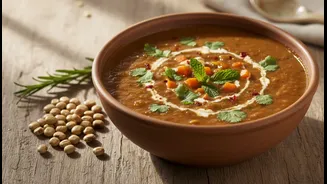
kulthi in Hindi, kollu in Tamil, ulavalu in Telugu, and hurali in Kannada. This small, flattened pulse was once considered the food of the rural poor, thriving in dry conditions where other crops might fail. But this resilience is precisely what makes it a treasure. Traditionally consumed in warming winter dishes like hearty dals and soups, its earthy, nutty flavour has been a source of comfort and sustenance across generations.
A Nutritional Powerhouse
Don't let its humble origins fool you; horse gram is one of the most protein-rich lentils available. It's an excellent plant-based protein source for vegetarians and vegans. But its benefits don't stop there. It is packed with iron, phosphorus, and has the highest calcium content among all pulses. Rich in dietary fibre, it aids digestion, helps you feel full for longer, and can support healthy weight management. Horse gram also contains powerful antioxidants and polyphenols, which help combat free radicals in the body. Its low glycaemic index makes it particularly beneficial for managing blood sugar levels, as it slows down carbohydrate digestion.
From Traditional Staple to Modern Star
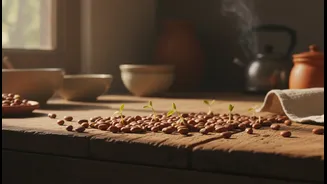
The resurgence of horse gram is not just about appreciating its past, but about reinventing its future. While traditional preparations like kulthi dal, rasam, and saaru remain beloved classics, modern kitchens are finding new and exciting ways to use this versatile legume. Creative home cooks and chefs are incorporating sprouted horse gram into salads and curries, grinding it into flour for idlis and dosas, and even making tikkis and chutney powders. Some are even using it as a base for protein-rich soups or blending it into a loaf. This adaptability shows how easily a traditional ingredient can fit into a contemporary diet without losing its soul.
The Bigger Picture: Embracing Local Foods
The story of horse gram is part of a larger, more significant trend: the rediscovery of indigenous Indian ingredients. For years, the focus was on imported and processed foods, but there is now a growing movement to return to our culinary roots. This shift is driven by a desire for healthier, more sustainable, and authentic food choices. Local ingredients like millets, heritage rice, and pulses like horse gram are not only nutritious but are also better for the environment, often requiring less water and being more resilient to local climate conditions. By choosing local, we support our farmers, preserve biodiversity, and celebrate the rich culinary heritage that has nourished generations.