





What Exactly is Food Traceability?
Imagine tracking a courier package from the warehouse to your doorstep. Food traceability applies the same principle to your food. It’s the ability to follow the movement of a food product and its ingredients through all steps of production, processing,
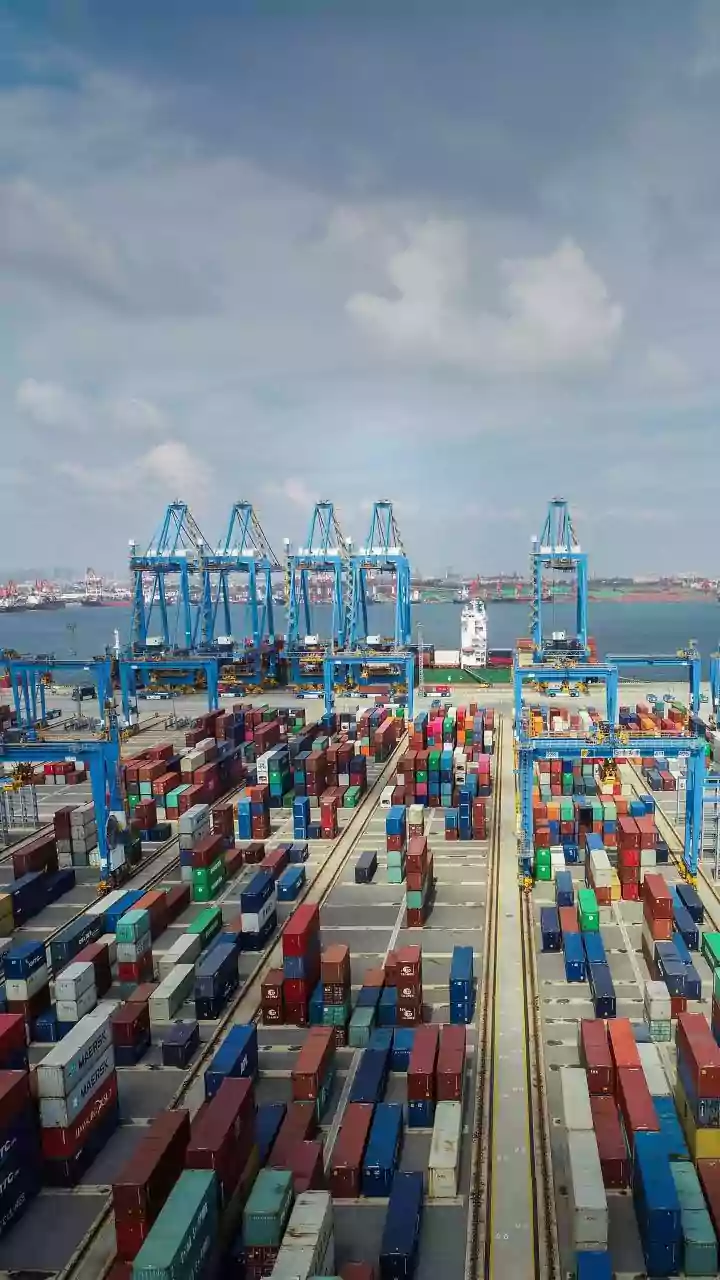
and distribution. This process creates a detailed record of a product's journey. Using technologies like barcodes, QR codes, or even blockchain, a traceability system can document a product's origin, handling conditions, and distribution channels. At its core, it’s about creating transparency and accountability in the supply chain, ensuring that if a problem arises, its source can be quickly and accurately identified.
Why is FSSAI Pushing for This Now?
The push for enhanced traceability from the Food Safety and Standards Authority of India (FSSAI) is driven by several key factors. A primary motivator is public health. In a complex supply chain, identifying the source of a foodborne illness outbreak or contamination can be slow and difficult. Traceability provides a mechanism for rapid response, allowing authorities to quickly find and recall affected products, minimizing harm to consumers. In recent months, a rise in consumer complaints on social media has also prompted the FSSAI to act. Furthermore, there is an economic imperative. Many international markets, including the EU and US, have strict traceability requirements for food imports. By adopting robust digital traceability systems, India can boost consumer confidence, strengthen its export competitiveness, and reduce issues like the illegal re-entry of expired or rejected products into the market.
The Proposed Changes in Detail
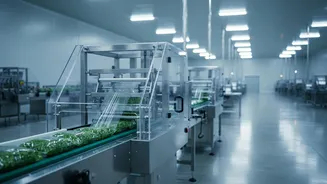
The FSSAI's recent initiatives and proposed regulations aim to embed traceability into the system. In early 2026, the regulator issued draft amendments targeting licensed food manufacturers and processors. These proposals mandate daily record-keeping of raw materials, production processes, and storage based on FIFO (First In, First Out) and FEFO (First Expire, First Out) principles. This ensures that older stock is used before newer stock, maintaining quality and safety. More recently, in June 2026, the FSSAI notified the Food Safety and Standards (Licensing and Registration of Food Businesses) Amendment Regulations, 2026. This update refines the rules, specifying that these rigorous record-keeping requirements apply primarily to food manufacturing businesses, where traceability is most critical. This move aims to reduce the compliance burden on non-manufacturing entities like small retailers while focusing oversight where it matters most.
What This Means for You, the Consumer
For consumers, enhanced traceability promises significant benefits. The most important is improved food safety. Quick identification of contaminated products means faster recalls, preventing widespread illness. It also builds trust; by scanning a QR code on a package, you could one day see where your food was grown, when it was processed, and its entire journey to the store. This transparency helps verify claims like "organic" or "sustainably sourced," tackling issues of mislabelling and adulteration, which have been significant concerns in India. Ultimately, a traceable system empowers consumers to make more informed choices and have greater confidence in the authenticity and quality of the food they eat.
The Challenges for Farmers and Businesses
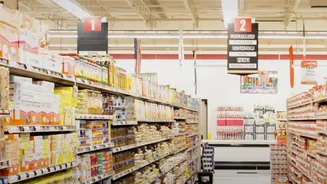
While the benefits are clear, implementation presents hurdles, especially for India's diverse food sector. A major challenge is the cost and complexity of adopting new technologies. For small-scale farmers and businesses, investing in digital record-keeping systems and training staff can be a significant financial and operational burden. Integrating millions of stakeholders—from individual farmers to large processing plants—into a single, interoperable system is a massive undertaking that requires substantial investment in infrastructure and digital literacy. The recent amendments that exempt non-manufacturers from some requirements show that regulators are aware of these challenges and are attempting to create a risk-based system that doesn't overwhelm smaller players.