




Arunachal Pradesh: Flavours from the Mountains
Our journey begins in the eastern Himalayas, where chutneys are a masterclass in using unique, local ingredients. A standout example is Churpa Chamin, a bold chutney made by the Monpa tribe. The star ingredient is churpa, a hard, fermented cheese made from
yak milk, which is essential for survival in high-altitude regions. Pounded with fiery chillies and garlic, the resulting condiment is savoury, spicy, and deeply warming. The cuisine of Arunachal also features chutneys made from foraged wild seeds and greens, reflecting an intimate connection with the natural landscape. These chutneys, often prepared simply by pounding fresh ingredients in a mortar and pestle, offer a taste that is earthy, rustic, and unlike anything found elsewhere in the country.
Andhra Pradesh: The Land of Fiery Pachadi
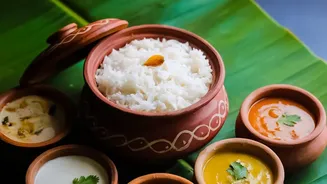
Traveling south to Andhra Pradesh, the flavour profile shifts dramatically to bold, tangy, and spicy. This is the heartland of the 'pachadi', a category of chutney known for its intense taste. The most iconic of these is Gongura Pachadi. Made from gongura (sorrel leaves), this chutney possesses a distinctive sourness that is its signature. The leaves are cooked down and ground with a generous amount of red chillies, garlic, and spices, creating a condiment that is explosively flavourful and addictive. Often served with hot rice and a dollop of ghee, it’s a staple in Telugu households. Beyond gongura, Andhra cuisine boasts a wide array of other pachadis, including the pungent Allam Pachadi (ginger chutney) and creamy peanut chutneys, cementing the region's reputation for creating some of India's most spirited condiments.
Uttarakhand: A Nutty Himalayan Secret
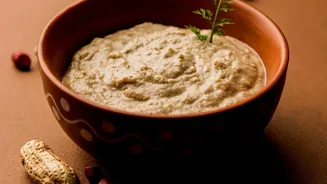
Heading back north to the mountains of Uttarakhand, we find a chutney that speaks to the resourcefulness of Pahadi cuisine: Bhangjeera ki Chutney. Before you jump to conclusions, 'bhangjeera' refers to roasted hemp seeds, a nutritious local staple with no psychoactive properties. The seeds are roasted until fragrant, which gives them a wonderfully nutty and slightly smoky flavour. They are then traditionally ground on a stone slab (silbatta) with green chillies, fresh coriander, garlic, and a squeeze of lemon juice. The result is a coarse, earthy paste that is the perfect accompaniment to simple mountain meals of dal, rice, and mandua (ragi) rotis. It’s a flavour that is quintessentially Himalayan—robust, wholesome, and deeply satisfying.
West Bengal: A Sweet & Tangy Affair
In the east, the Bengali table offers a different kind of chutney experience, one that often blurs the line between condiment and dessert. The classic Bengali Tomato Chutney is a perfect example. Served at the end of a meal, just before the sweets, it acts as a palate cleanser. This chutney is a delightful balance of sweet and tangy, made from ripe tomatoes simmered with sugar or jaggery. What makes it distinctly Bengali is the use of 'panch phoron'—a five-spice blend of mustard, fenugreek, cumin, nigella, and fennel seeds—which gives it a complex aroma. Often, ingredients like dates (khejur) and dried mango leather (aamshotto) are added, turning it into a rich, syrupy delight that is scooped up with crunchy papad.
South India: The Ubiquitous Coconut Chutney
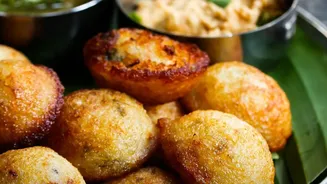
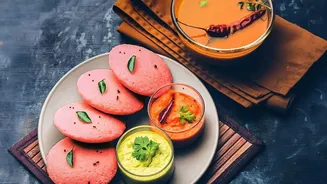
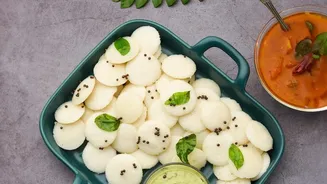
No exploration of Indian chutneys is complete without acknowledging the beloved coconut chutney of the South. A staple from Tamil Nadu to Kerala and Karnataka, it's the quintessential partner for idli, dosa, and vada. But to call it a single chutney would be an injustice to its incredible versatility. The classic white version is a creamy blend of freshly grated coconut, roasted chana dal, ginger, and green chillies. However, countless variations exist. A 'red' version gets its colour and heat from dried red chillies and sometimes a bit of tamarind or onion. A 'green' version incorporates fresh coriander or mint, adding a layer of herby freshness. Each household and restaurant has its own subtle twist, proving that even the most common chutney has endless possibilities.