





Why the Shift to Serenity?
The travel landscape in India is undergoing a significant transformation. The post-pandemic era has amplified a collective desire for wellbeing, with many people now seeking meaningful, slower-paced travel experiences over checklist-driven tourism. This
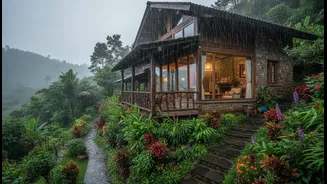
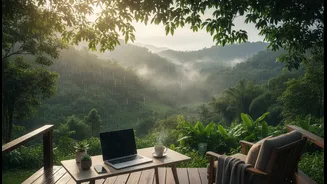
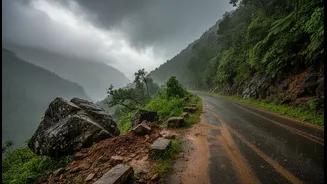
trend, sometimes called 'calmcations' or 'hushpitality', is a direct response to the pressures of modern life and the pitfalls of over-tourism—long queues, inflated prices, and the erosion of local charm. Travellers are consciously choosing to disconnect from urban noise and digital fatigue, prioritising relaxation, nature, and mental peace. The monsoon season, with its lush landscapes and inherently quieter atmosphere, provides the perfect backdrop for this kind of intentional, rejuvenating escape.
Instead of Lonavala, Try Amboli
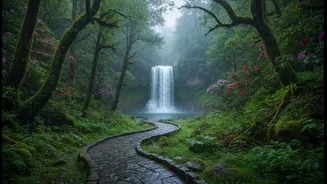
While Lonavala and Mahabaleshwar are classic monsoon drives from Mumbai and Pune, they often become overwhelmingly crowded. For a similar Western Ghats experience without the crowds, consider Amboli in Maharashtra. This idyllic hill station turns into a wonderland of mist, countless waterfalls, and vibrant green forests during the rains. It offers the same scenic beauty—including sites like Amboli Waterfall and various viewpoints—but with a fraction of the tourists. It’s a destination for those who want to hear the sound of the rain on the leaves, not the roar of traffic, making it a perfect peaceful alternative.
Instead of Mainstream Goa, Try the Quieter South or Gokarna
The popular beaches of North Goa can still draw crowds, even in the off-season. For a more tranquil coastal monsoon experience, head to South Goa or nearby Gokarna in Karnataka. Monsoon in Goa reveals a quieter, greener side to the state, with dramatic cloudy skies and lush paddy fields. Luxury properties in the south offer seclusion and stunning views. Alternatively, Gokarna provides a more laid-back spiritual vibe, where the beaches are cleaner, the crowds are thinner, and the focus is on enjoying the powerful monsoon sea from a safe distance. It’s a chance to experience the coast in its most raw and atmospheric state.
Instead of Munnar, Try Wayanad
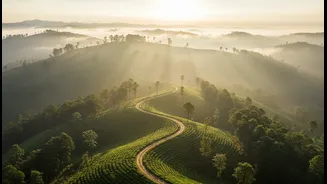
Munnar's tea gardens are iconic, but their popularity means you’ll be sharing the view. For a similar lush, green experience in Kerala, Wayanad is an excellent choice. This hill station is a mosaic of rainforests, spice plantations, and misty hills. It receives some of the heaviest rainfall in the region, which feeds its spectacular waterfalls and keeps the landscape exceptionally verdant. Activities here are geared towards nature lovers, with opportunities for rainforest trekking, visiting ancient caves, and simply enjoying the peace of a region that feels less commercialised and more connected to its natural rhythms.
Instead of Shimla, Try Tirthan Valley
The major Himalayan hill stations like Shimla and Manali are often overwhelmed during holidays. For a serene mountain escape in Himachal Pradesh, Tirthan Valley offers a refreshing alternative. A part of the Great Himalayan National Park conservation area, this valley is a paradise for those seeking silence and communion with nature. The Tirthan River flows through lush forests and quaint villages, offering opportunities for trout fishing, gentle hikes, and staying in charming riverside homestays. During the monsoon, the valley is exceptionally green and the clouds hang low, creating a mystical atmosphere far removed from the bustling mall roads of more popular towns.
Instead of Darjeeling, Try Kalimpong
Darjeeling's colonial charm is undeniable, but it's also one of the most visited hill stations in the East. Just a couple of hours away lies Kalimpong, which offers a similar setting with a more relaxed pace. Overlooking the Teesta River, Kalimpong is known for its Buddhist monasteries, flower nurseries, and panoramic Himalayan views when the clouds part. The monsoon cloaks the town in a quiet mist, making it ideal for leisurely walks, visiting local markets, and soaking in the peaceful ambience of its colonial-era buildings without the tourist rush. It’s a corner of the Himalayas that still feels wonderfully unhurried.